Thinking about trading dreary skies for snowy landscapes and a warm train carriage this winter? You’re asking the right person. I’ve spent years crisscrossing Europe by rail, many of those trips in the dead of winter, learning a lot about what works and what absolutely doesn’t. Forget the glossy brochures; I’m here to tell you what I’ve genuinely experienced, what I recommend, and what I’d avoid.
Which Winter Train Route Actually Delivers? My Go-To Picks.
Look, a lot of routes get hyped, but for winter, some just hit different. If you want a truly memorable experience, one that makes you feel like you’ve stepped into a Christmas card, you really only need to consider a few. My absolute favorite? The Glacier Express in Switzerland. People talk about it all the time, and for good reason. It’s slow, it’s panoramic, and in winter, the mountains are just impossibly white. I’ve done it twice in December, once from Zermatt to St. Moritz, and the views of the Matterhorn region and the Albula/Bernina UNESCO World Heritage section are just unparalleled. Don’t cheap out on the excellent lunch served at your seat; it completes the experience.
The Bernina Express: A Close Second
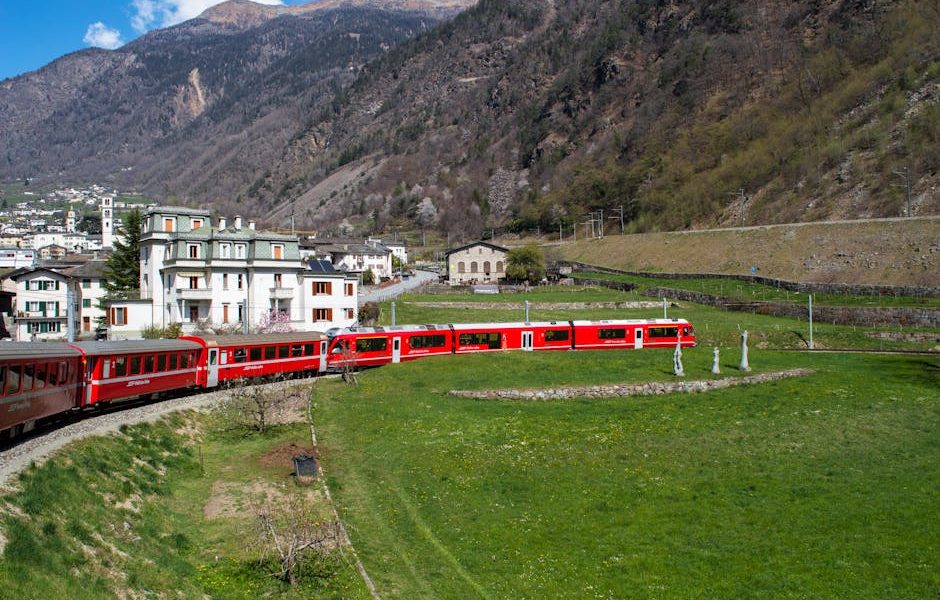
If the Glacier Express is booked or you want something a little different, the Bernina Express is a fantastic alternative. It runs from Chur (or St. Moritz) to Tirano, Italy, and crosses the Bernina Pass. The engineering marvels, like the Brusio Circular Viaduct, are even more dramatic against a snowy backdrop. I usually combine this with a quick stop in Tirano for some authentic Italian espresso before heading back or continuing on a regional train. The journey feels a bit more rugged, less polished than the Glacier, but equally breathtaking.
The Arctic Express: For a Unique Adventure
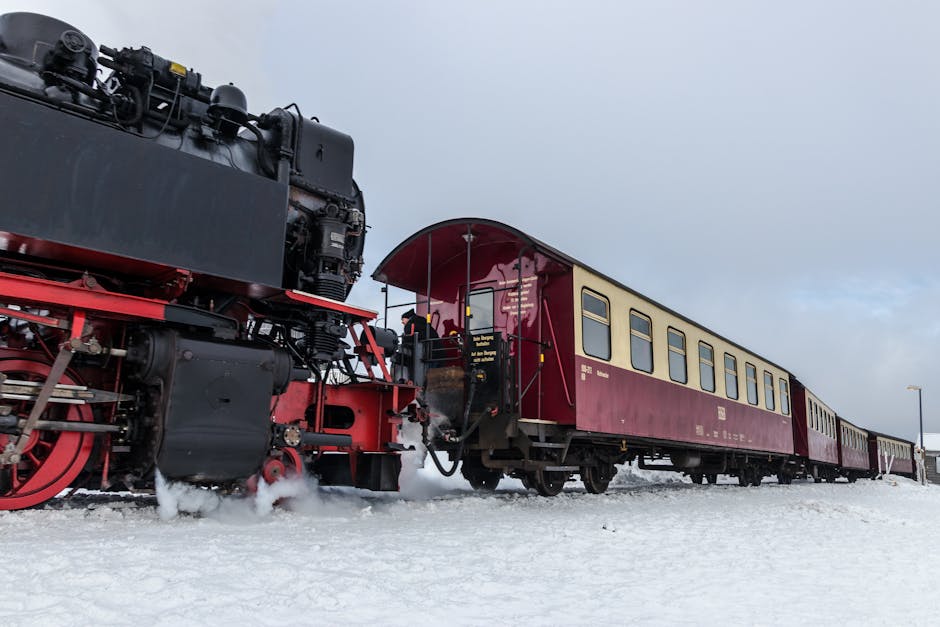
For something completely different, and if you’re prepared for serious cold, the Arctic Express in Finland (or Sweden’s equivalent, the Night Train to Lapland) is an experience of a lifetime. I took the Santa Claus Express from Helsinki to Rovaniemi and then ventured further north. Seeing the snow-laden forests fly by as you head towards the Arctic Circle, knowing you might see the Northern Lights, is incredibly special. It’s not a scenic route in the same way the Swiss ones are – it’s more about the destination and the feeling of adventure. Just remember, this requires proper winter gear, not just your average scarf.
Interrail vs. Eurail: Navigating Your Pass Options.
This is where people get confused. I’ve used both extensively. It’s simple, really: if you’re a European resident, you get an Interrail Pass. If you’re from outside Europe, you get a Eurail Pass. Functionally, they’re identical in terms of networks and validity. What matters more is choosing the right type of pass for your trip. Don’t just grab a Global Pass because it sounds comprehensive.
Understanding Pass Types and Pricing (2026 Estimates)
Passes are flexible, which is both their strength and their weakness. You’re typically buying a certain number of travel days within a set period (e.g., 7 days of travel within 1 month). The more flexible the pass, the more expensive it usually is. For instance, a 1-month continuous Global Pass (unlimited travel days) might cost around €550 for youth (under 28) or €700 for adults. A 7-day flexi pass within 1 month is generally closer to €300-€400. Always do the math for your specific itinerary. Sometimes, point-to-point tickets are cheaper, especially if you’re only doing 2-3 long journeys.
Reservations: The Hidden Cost
Here’s the kicker: many high-speed trains and popular scenic routes (like the Glacier Express or Eurostar) require mandatory seat reservations, even if you have a pass. These aren’t included in the pass price and can add significant costs, especially in countries like France, Italy, and Spain, or for night trains. I once paid €150 in reservations alone for a two-week trip through France and Italy with a Global Pass. Always check the reservation fees for your intended routes before you buy the pass. The Rail Planner App is an essential tool for this, showing which trains require reservations and their estimated costs.
| Feature | Interrail Pass | Eurail Pass |
|---|---|---|
| Eligibility | European residents | Non-European residents |
| Coverage | Over 33 European countries | Over 33 European countries |
| Pass Types | Global, One Country, Flexi, Continuous | Global, One Country, Flexi, Continuous |
| Reservation Fees | Additional for most high-speed/night trains | Additional for most high-speed/night trains |
| Best For | Extensive multi-country European travel by EU residents | Extensive multi-country European travel by non-EU residents |
Layering Up Right: Essential Winter Gear for Train Travel.
People underestimate how cold it can get. You’re not just dealing with the temperature outside; you’re also dealing with varying train temperatures and walking between stations. Don’t be that person shivering in a light jacket. I’ve learned that investing in good gear makes all the difference.
- Base Layers: Merino wool is your friend. It wicks moisture, keeps you warm, and doesn’t stink after a few days. Brands like Smartwool or Icebreaker make excellent tops and bottoms. Seriously, don’t skimp here. Cotton is fine for summer, but a death trap in winter when it gets wet and stays wet.
- Mid-Layer: A good fleece or a thin down jacket. Something you can easily take off on a warm train and put back on when you hit a freezing platform. My preference is usually a lightweight synthetic fleece because it dries faster if it gets damp.
- Outer Layer: A waterproof and windproof insulated jacket. A proper down-filled parka is ideal if you’re heading north (Scandinavia). For central and western Europe, a good quality waterproof jacket with a removable insulated liner often suffices. It needs to keep out snow and wind. Look for something with a good hood.
- Footwear: Waterproof, insulated boots with good grip. Think Sorel or Timberland-style boots. You’ll be walking on potentially icy or snowy streets. Nothing ruins a trip faster than cold, wet feet. Bring thick wool socks (again, Merino is best) and a spare pair or two.
- Accessories: A warm hat that covers your ears, waterproof gloves (not just knitted ones), and a thick scarf. These are non-negotiable. I always pack a small, foldable umbrella too, because you never know when you’ll hit rain or sleet instead of snow.
- Small but Mighty: A portable power bank. Train stations aren’t always flush with outlets, and you’ll be using your phone for maps, tickets, and photos. A 20,000mAh capacity charger from brands like Anker usually gets me through a few days of heavy use. Also, a good quality travel adapter for your devices is critical, as European sockets differ from North American or UK ones.
Sleeper Trains: Are They Worth the Hype?

Honestly? Mostly, yes. For longer overnight journeys, especially between major cities like Vienna and Rome on an ÖBB Nightjet, they save you a day of travel and a night’s accommodation. The private compartments, even the basic couchette, are usually clean and offer enough privacy to get some decent sleep. Just manage your expectations: it’s a train, not a luxury hotel. I wouldn’t do it every night, but for specific long hauls, it’s a brilliant way to travel.
Booking Savvy: Tips for Seamless Winter Train Adventures.
Booking train tickets in Europe is not always as straightforward as it seems, especially for winter travel when demand for certain routes can spike due to holiday seasons. I’ve seen too many people get caught out by last-minute price hikes or sold-out reservations. You really need a strategy.
Timing is Everything: Book Early for the Best Prices
For most European long-distance and high-speed trains (like Eurostar, France’s TGV, Germany’s ICE, or Italy’s Frecciarossa), tickets operate on a dynamic pricing model. This means prices are typically lowest when tickets are first released, usually 3 to 6 months in advance. The closer you get to the departure date, the more expensive they become, particularly for popular routes and times. I always set a reminder to check prices as soon as the booking window opens, especially if I’m targeting a specific date like Christmas or New Year’s Eve. Waiting until a week before can easily double or triple your fare. For specific scenic trains like the Glacier Express, booking far in advance isn’t just about price; it’s about securing a seat at all, especially during peak winter months.
Directly with Operators vs. Third-Party Sites
My golden rule: always try to book directly with the national rail operator. For example, use SNCF for French trains, Deutsche Bahn (DB) for German trains, ÖBB for Austrian, or SBB for Swiss. They generally offer the best prices, have the most up-to-date information on delays or cancellations, and make changes or refunds much easier. Third-party sites like Rail Europe or Trainline can be convenient for comparing options across countries, but I treat them as a search engine, then go directly to the operator’s website to finalize the purchase. This also helps avoid any hidden booking fees some third-parties might add. For the Eurostar, always go straight to their website; it simplifies everything if you need to manage your booking.
Seat Selection: Worth the Small Fee
On longer journeys, especially in winter, where you might want to gaze at snow-covered landscapes, paying a small fee for seat selection is often worth it. On many trains, you can select seats that face forward, have a window view, or are away from the toilets or doors. For panoramic trains like the Glacier Express, booking window seats is essential. I always aim for a window seat, preferably on the side that gives the best views (a quick Google search usually tells you which side of the train to aim for on famous routes). For sleeper trains, specifying an upper or lower bunk, or even a specific compartment, can make a difference in your comfort.
Navigating Delays and Connectivity Abroad: Your Winter Checklist.
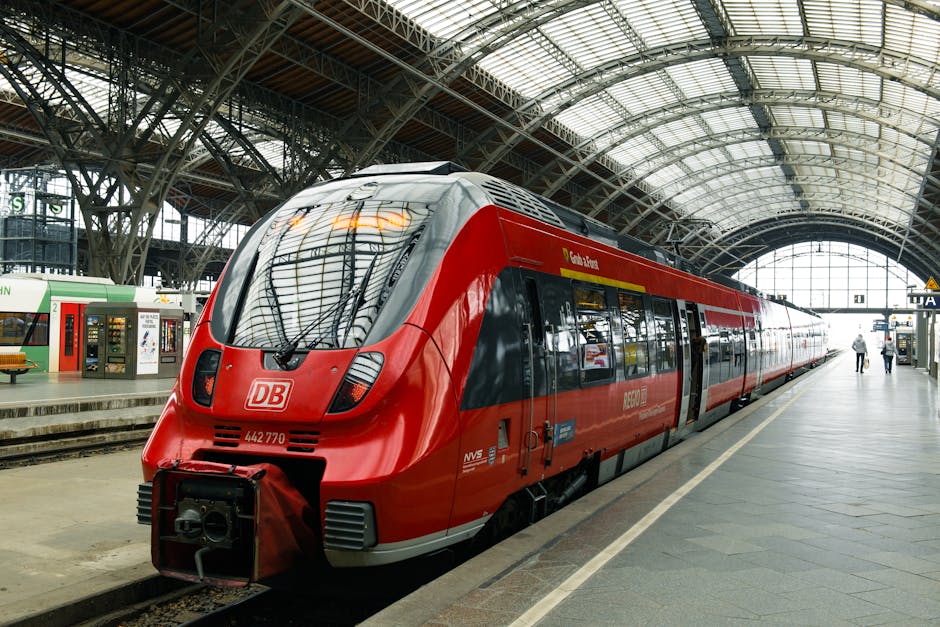
Winter travel, especially by train, comes with its own set of potential headaches. Snowfall, ice, and even high winds can cause delays. You need to be prepared, not just hope for the best.
What’s my plan if a train is delayed or cancelled due to snow?
This happens more than people think. My first move is always to check the national rail operator’s app or website (e.g., DB Navigator for Germany, SBB Mobile for Switzerland). They offer the most current information. If a train is delayed significantly, or cancelled, usually they will transfer your ticket to the next available service without extra charge. For major cancellations, sometimes they’ll put on replacement bus services. Always keep your physical or digital ticket handy. And this is where travel insurance comes in: a good policy (I often use providers like World Nomads or SafetyWing, depending on the trip length and coverage needed) will cover unexpected accommodation costs if you’re stranded overnight due to a covered delay or cancellation. Read the fine print; not all policies are equal.
How do I stay connected without racking up huge roaming bills?
Data roaming can be a nightmare if you’re not careful. My recommendation is simple: get an eSIM. Providers like Airalo or Holafly offer data plans for entire regions (like Europe) or individual countries at very reasonable rates. You download the eSIM profile to your phone, and it works seamlessly alongside your physical SIM. This means you keep your home number for calls/texts but use the eSIM for all your data needs, like maps, checking train times, or keeping in touch via messaging apps. It’s far cheaper and more convenient than buying local SIMs in every country, or relying on patchy Wi-Fi. I’ve used Airalo for years across multiple continents without a hitch.
Should I bother with paper tickets or go fully digital?
I always lean digital, but with a backup. Most European train operators accept digital tickets on your phone via their app or a PDF. This is generally fine. However, I’ve had my phone die in a crucial moment, or encountered a ticket inspector whose scanner wasn’t cooperating with a specific digital format. My advice? Have your digital ticket readily accessible, but also take a screenshot of the QR code or ticket details, and even print a physical copy of critical tickets (especially for reservations on passes, or non-refundable long-distance tickets). Better safe than sorry when you’re in the middle of nowhere in a snowstorm.
My Unpopular Opinions on Overrated European Winter Routes.
Alright, I’m going to get some heat for this, but not every famous winter route is actually worth the effort or the price. Some are just better in other seasons, or frankly, there are less celebrated alternatives that offer a richer experience.
The Flåm Railway in Norway: Not My Winter Pick
The Flåm Railway in Norway is stunning, absolutely. But in winter? I’d pass. The dramatic waterfalls are often frozen solid and obscured by snow, and the vibrant green valley that makes the summer journey so spectacular is just a monochromatic white. It’s still beautiful, yes, but for me, it lacks the specific magic that makes other winter routes stand out. The short duration and the often-crowded carriages also detract. If you want a Norwegian winter rail experience, I’d focus on longer, regional trains through the fjordlands, or even the Bergen Line, which offers incredible snowscapes between Oslo and Bergen for a fraction of the Flåm ticket price and a much more authentic experience.
Over-Reliance on Eurostar for Scenic Views
The Eurostar is an amazing piece of engineering and a marvel of convenience for getting from London to Paris or Brussels. It’s fast, efficient, and comfortable. However, don’t romanticize it for winter scenery. Most of the journey is through flat, often industrial, landscapes, and then, of course, the Channel Tunnel. You spend a good chunk of time in darkness. It’s a utilitarian journey, excellent for its purpose, but not one I’d ever classify as a scenic winter adventure. If you’re looking for views, save your money for a domestic French or Belgian route once you’ve arrived, rather than expecting much from the Eurostar itself beyond getting you there quickly.
Ultimately, European winter train travel is an experience unlike any other. You just need to know what you’re doing, and go in prepared.
Winter Train Travel Essentials: A Quick Summary
- Best Routes: Glacier Express, Bernina Express, Arctic Express (for adventure).
- Passes: Use Interrail (EU residents) or Eurail (non-EU residents); always factor in reservation fees.
- Packing: Layers are crucial. Think merino wool base, insulated mid/outer layers, waterproof boots, and all accessories.
- Booking: Book 3-6 months out, directly with operators, and select your seats.
- Sleeper Trains: Worth it for saving time and accommodation on long hauls.
- Stay Connected: eSIMs are your best friend for affordable data.
- Avoid: Flåm Railway in winter, expecting scenery on Eurostar.