
Picture this: You’ve got a crucial trip coming up, maybe a family visit, a business meeting, or that long-awaited vacation. You need to fly United Airlines because it’s the most convenient option for your routes and schedule. You open your browser, punch in the dates, and BAM! The price hits you like a brick wall. It’s far more than you expected, blowing a hole in your travel budget before you even pack your suitcase. This common scenario leaves many travelers frustrated, wondering if finding an affordable United flight is just luck, or if there’s a real strategy involved.
The good news? It’s not just luck. While United Airlines, like any major carrier, uses complex pricing algorithms, you can absolutely outsmart the system to find significant savings. This guide cuts through the noise, providing practical steps and tools you need to consistently secure lower fares on United.
Deciphering United’s Dynamic Pricing for Deals
United Airlines, along with most major carriers, employs a sophisticated dynamic pricing model. This means flight prices aren’t fixed; they fluctuate constantly based on demand, time of day, day of the week, booking patterns, and even your browsing history. Understanding these underlying mechanics is your first step toward cracking the code for cheaper tickets.
A seat on a United flight is a perishable commodity. Once that plane takes off, an empty seat earns no revenue. Airlines use complex algorithms to fill as many seats as possible at the highest possible price. This involves analyzing historical data, current booking trends, competitor pricing, and even external factors like holidays or major events. Prices can change multiple times within an hour, so what you see now might not be there later.
The key takeaway here is that identical seats on the same flight can be sold at vastly different prices depending on when and how they are purchased. This isn’t about trickery; it’s about supply and demand. Your goal is to position yourself to buy when demand is perceived to be lower, or when United is trying to incentivize bookings in specific fare classes.
Understanding Fare Classes and Basic Economy Restrictions
United offers various fare classes, each with different prices and amenities. The most significant distinction for budget travelers is between Basic Economy and Standard Economy. Basic Economy is United’s most restrictive and cheapest fare. While tempting, it comes with significant limitations:
- No seat selection: Your seat is assigned at check-in, often a middle seat.
- Carry-on bag restrictions: You are typically allowed only one personal item that fits under the seat (e.g., a backpack). A standard carry-on bag (the kind that goes in the overhead bin) is not included for most Basic Economy tickets and will incur a gate check fee (often $35+ in 2026, plus the standard checked bag fee).
- No changes or refunds: Basic Economy tickets are generally non-changeable and non-refundable, even for a fee.
- No MileagePlus Premier qualifying credit: You won’t earn toward elite status.
- Boarding group: You’ll be in the last boarding group.
Standard Economy, conversely, includes seat selection (sometimes for a fee), a standard carry-on, and more flexibility. Before you jump on a Basic Economy fare, calculate if the checked bag fee you’ll inevitably pay, plus the discomfort of no seat choice, makes it truly cheaper than a slightly higher Standard Economy fare. Often, the price difference is minimal, but the value difference is huge.
When Flexibility Pays Off: Date and Airport Strategy
One of the most powerful tools in your arsenal is flexibility. Even a day or two’s difference can slash hundreds off a United ticket. United’s pricing algorithms heavily penalize travel during peak times. Flying mid-week (Tuesday, Wednesday, Thursday) is almost always cheaper than flying on weekends (Friday, Sunday are typically the most expensive). Early morning or late-night flights also tend to be less expensive because they are less convenient for most travelers.
Consider alternate airports if your destination has them. For example, if flying into the New York area, check Newark Liberty (EWR), LaGuardia (LGA), and John F. Kennedy (JFK). United has a major hub at EWR, so it’s often the cheapest United option, but checking other regional airports can reveal deals. Sometimes flying into a smaller, nearby airport and taking ground transport to your final destination saves more money than the price of a direct flight to the main hub. Always calculate the total cost including ground transportation.
Why Last-Minute United Flights Rarely Deliver Savings
The idea of a spontaneous, cheap last-minute flight is largely a myth for major airlines like United, especially for domestic routes. Airlines know that last-minute travelers are often business travelers or those facing emergencies, meaning they are less price-sensitive. As a result, prices tend to surge in the final few weeks before departure. The sweet spot for booking United domestic flights is typically 1 to 3 months in advance. For international travel, expand that window to 3 to 6 months. Booking too early (6+ months out) can also be more expensive, as airlines initially set higher prices to gauge demand before adjusting downwards.
Essential Tools for Finding United Flight Discounts

Finding cheap United flights isn’t just about knowing when to fly; it’s also about knowing where to look. Several powerful online tools can cut through the complexity of dynamic pricing and highlight the best deals. These aren’t just for general flight searches; they have specific features that make finding United-specific savings much easier.
Before you commit to United’s website, always start with broader search engines. This provides a baseline, helps you identify the cheapest dates, and gives you leverage if you find a better price elsewhere. Then, cross-reference with United’s site to see if they offer a direct match or better perks.
Google Flights’ Calendar View and Price Trackers
Google Flights is arguably the most powerful free tool for finding cheap airfare, and it excels for United. Here’s how to use it:
- Flexible Date Grid: Instead of entering exact dates, use the calendar view. After entering your origin and destination, click on the date input field. Google Flights will display a calendar showing the lowest available prices for round-trip flights over a 2-month period, often highlighting green dates for the cheapest options. This visual representation quickly shows if shifting your travel by a day or two saves you hundreds of dollars.
- Price Tracking: Once you’ve found a route you’re interested in, toggle on the “Track prices” feature. Google Flights will then send you email alerts when the price for your selected dates and route changes. This is invaluable for monitoring fluctuations and buying at the optimal moment.
- Explore Map: If you’re flexible on your destination, use the “Explore” map. Enter your origin and travel dates, and it will show you prices to various destinations around the world, including those serviced by United and its Star Alliance partners. This helps you find a cheap United flight simply by changing your destination.
Google Flights draws data directly from airlines, so the prices are usually accurate and reflect what you’ll find on United.com.
United.com’s “Flexible Dates” Feature
While third-party sites are great for initial discovery, always check United’s official website directly before booking. United.com often has exclusive sales or fare classes not always visible on aggregators. More importantly, United.com has its own “Flexible Dates” search feature which works similarly to Google Flights’ calendar view, allowing you to see prices across an entire month. This is crucial for verifying prices and sometimes finding slightly better deals that might not have propagated to third-party sites yet.
Another benefit of booking directly with United is easier management of your reservation, especially if changes are needed. Plus, you’re guaranteed to earn MileagePlus miles when booking directly, which isn’t always the case with some obscure third-party sites.
Third-Party Aggregators: Hopper, Skyscanner, and Kayak Alerts
Beyond Google Flights, other aggregators provide unique features:
- Hopper: This mobile app (free on iOS and Android) predicts whether flight prices will go up or down. It uses historical data to advise you to “buy now” or “wait for a better deal,” providing a specific target price. While not always perfect, its predictions are often accurate within 5-10%. Set alerts for your desired United route.
- Skyscanner: Great for its “Everywhere” search function if you’re open to any destination and its “Cheapest Month” tool. It also allows you to set price alerts. Skyscanner often pulls in deals from smaller online travel agencies (OTAs) that might not appear elsewhere, but always verify the reliability of the booking site before proceeding.
- Kayak: A long-standing aggregator, Kayak offers its own price alerts and a “Hacker Fares” option, which combines one-way tickets from different airlines (or different booking sites for the same airline) to create a cheaper round-trip. This can sometimes involve United on one leg and another carrier on the return, requiring two separate bookings.
Using a combination of these tools ensures you’re casting a wide net for the best possible United fare.
Maximizing MileagePlus Program Value
For frequent United flyers, or even those planning a significant trip, understanding and the MileagePlus loyalty program can unlock substantial savings beyond just finding cheap cash fares. This involves strategic earning and smart redemption. Many travelers overlook the hidden value in points and partnerships.
The MileagePlus program is United’s way of rewarding customer loyalty. You earn miles for flying United or its Star Alliance partners, using co-branded credit cards, and through various other partners. These miles can then be redeemed for flights, upgrades, and other travel experiences. For a truly cheap United flight, sometimes a “free” flight through miles is the cheapest option of all.
| MileagePlus Strategy | Benefit for Cheap Flights | Estimated Value (2026) |
|---|---|---|
| Earning Miles via Flying | Accumulate points for future free flights or upgrades. Earns 5-11 miles per dollar. | 1.0-1.5 cents per mile |
| United Co-branded Credit Cards (e.g., Chase United Explorer) | Sign-up bonuses often yield 60,000+ miles. Perks like free checked bags (first bag, up to $35 value per flight), priority boarding, lounge passes. | Bonus miles worth $600-$900; bag savings $70+ per round trip. Annual fee $95-$525. |
| Redeeming Miles Flexibly | Using miles for off-peak travel or on partner airlines can provide outsized value (2+ cents per mile). | Potential to save hundreds on a single flight. |
| Star Alliance Partner Flights | Book United flights using partner miles (e.g., Aeroplan, Avianca LifeMiles) for lower redemption rates. | Savings of 10,000-20,000 miles on some routes compared to MileagePlus. |
Earning and Redeeming United Miles Wisely
Earning miles is straightforward: fly United or its Star Alliance partners, use a United co-branded credit card, or spend with MileagePlus partners (shopping portals, dining programs). The real trick is in redemption. United uses dynamic pricing for award flights, meaning the number of miles required for a ticket fluctuates just like cash prices. To get the best value, be flexible with your travel dates and destinations.
Focus on redeeming miles for routes where cash prices are particularly high, or for business/first-class upgrades, which typically yield the highest per-mile value. A flight that costs $500 might require 30,000 miles, valuing each mile at 1.6 cents. A flight costing $800 might also require 30,000 miles if demand is low, pushing your value to 2.6 cents per mile. Always compare the cash price against the mileage requirement to assess value.
United Credit Cards: Annual Fees vs. Travel Perks
United offers several co-branded credit cards through Chase. The United Explorer Card (annual fee typically $95, waived first year) is a popular choice. It frequently offers sign-up bonuses of 60,000 miles or more after meeting minimum spend. Key perks include:
- First checked bag free for you and a companion (savings of $70+ per round-trip).
- Priority boarding (Group 2).
- Two one-time United Club passes per year (value $100+).
For more frequent travelers, cards like the United Quest Card (annual fee typically $250) offer additional benefits like a $125 annual United travel credit and 5,000 miles back after redeeming 30,000+ miles. While annual fees exist, the value of the perks and sign-up bonus often far outweighs the cost in the first year, making it a viable strategy for immediately getting “cheap” travel through saved baggage fees or free flights.
Understanding United’s Partner Airlines for Broader Access
United is part of the Star Alliance, the world’s largest airline alliance. This means you can earn and redeem United MileagePlus miles on flights operated by partners like Lufthansa, Air Canada, SWISS, ANA, and many others. This significantly expands your options for using miles and finding routes. Sometimes, booking a United flight code-shared with a partner, or booking a partner flight using your MileagePlus miles, can be cheaper in terms of miles than booking a direct United flight. Always check partner award availability on United.com when searching for mileage redemption.
Strategic Booking Tactics Beyond Price Comparisons

You’ve understood dynamic pricing and found the right tools. Now, it’s about employing smart booking tactics that can shave even more off your United fare. Many travelers fall for common misconceptions or overlook creative ways to structure their tickets. These strategies require a bit more effort but can deliver substantial savings.
Here’s a bold recommendation: Stop obsessing over the “best day to buy” an airline ticket. While some patterns exist, the exact day often matters less than the overall demand for your specific route and dates. Instead, focus on flexibility and the specific tactics outlined below.
The Myth of “Best Day to Book” and What Actually Works
For years, the internet propagated the myth that Tuesday at 3 PM EST was the magic time to buy flights. While airlines sometimes launch sales on Tuesdays, this is far from a consistent rule. Dynamic pricing means there’s no single “best” day or time. What truly works is consistency:
- Monitor prices: Use Google Flights or Hopper alerts for at least 4-6 weeks before booking.
- Book 1-3 months out: As mentioned, this is the sweet spot for domestic travel. International travel extends to 3-6 months.
- Be flexible on travel days: Flying mid-week or during off-peak seasons (e.g., not Christmas, Thanksgiving, or summer peak) will yield greater savings than trying to time a specific purchase day.
The “best day” is the day you see a price that aligns with your budget and historical averages for that route. Trust your price alerts, not a calendar rule.
Open-Jaw and Multi-City Tickets: Creative Savings
An open-jaw flight is when you fly into one city and depart from another (e.g., NYC to London, then Paris to NYC). A multi-city ticket involves several stops. Both can sometimes be cheaper than a simple round-trip, especially for international travel or if you plan to explore a region by ground transport.
United.com and most aggregators have a “multi-city” search option. Experiment with flying into a slightly less popular airport (perhaps one with less United hub activity) and out of a major one, or vice-versa. For instance, flying into San Francisco (SFO) and out of Oakland (OAK) might reduce the overall ticket cost if you’re exploring the Bay Area. This requires more planning but can reveal unexpected deals that a simple round-trip search misses.
Consider Connecting Flights: The Time vs. Money Balance
Direct flights are convenient, but they almost always come with a premium price tag. If you’re chasing the absolute cheapest United fare, embrace layovers. A flight with one or even two connections can be significantly cheaper than a direct route, especially on longer journeys. This is a classic trade-off: your time for your money.
When searching on Google Flights or United.com, filter by “number of stops” and compare the price difference. A 2-hour layover in Chicago (ORD) for a $100 saving might be worth it; a 6-hour layover for $50 might not be. Set your own threshold for what you consider a reasonable amount of extra travel time for the savings. For very long international flights, a layover can even be a welcome break.
The Ultimate Rule for Affordable United Airfare
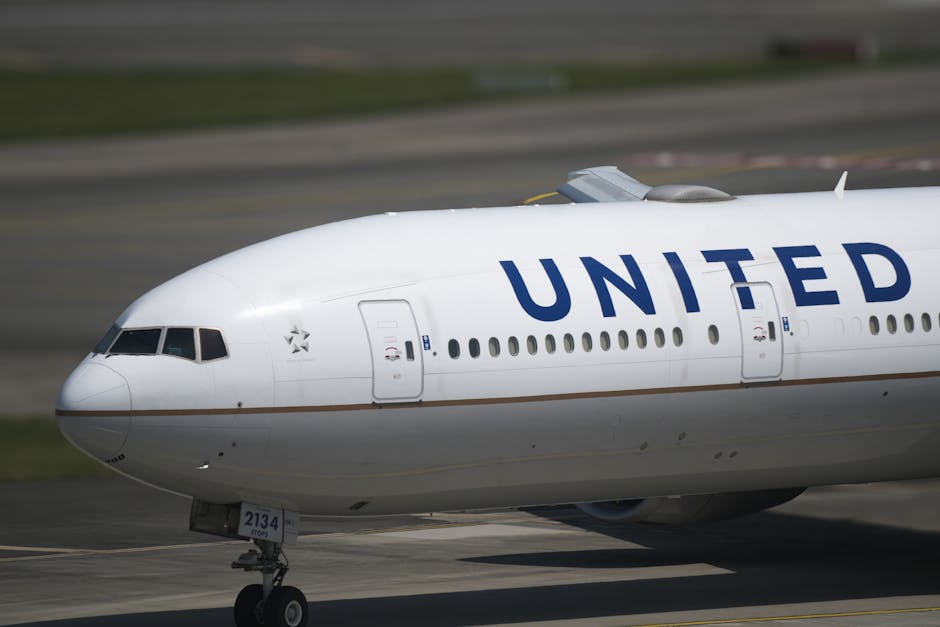
After all the strategies, tools, and tactics, the single most important rule for consistently finding cheap United Airlines flights boils down to one simple, powerful concept: be flexible. Flexibility with your travel dates, departure and arrival airports, and even your destination will almost always yield the lowest prices. The more constraints you put on your search, the higher the price will likely be.