
I was standing in the middle of Terminal 4 at JFK last month, watching the departure board turn a depressing shade of red. My flight was canceled, the line for the service desk was roughly three hundred people deep, and the nearest decent hotel was quoting $450 for a last-minute room. In that moment, the shiny piece of metal in my wallet stopped being a status symbol and became a tool. Because I had the right card, a fifteen-minute phone call later, my hotel was covered by trip delay insurance, and I was eating a steak dinner on the bank’s dime. If you are looking at your current wallet and wondering if it would do the same for you, it is time to look at the landscape for January 2025.
Which travel credit card offers the best sign-up bonus right now?
The beginning of the year is traditionally a hot zone for elevated offers. Banks are aggressive about hitting their Q1 acquisition targets, which means we see some of the most lucrative welcome bonuses of the year. When I evaluate a bonus, I don’t just look at the raw number of points; I look at the spend requirement and the floor value of those points when redeemed for travel. A 100,000-point offer sounds massive, but if those points are only worth 0.5 cents each, you are better off with a 60,000-point offer from a more flexible program.
Chase Sapphire Preferred: The Gold Standard for Beginners
The Chase Sapphire Preferred remains my top recommendation for anyone starting their rewards journey. As of January 2025, the standard offer sits around 60,000 points after you spend $4,000 in the first three months. Through the Chase Travel portal, those points are worth $750. However, if you transfer them to partners like Hyatt or United, I have frequently seen values exceeding $1,200 for the same block of points. The annual fee is a manageable $95. One major pro is the primary rental car insurance, which is rare for a card at this price point. A notable con is the 1x base earn rate on non-category spending, which feels sluggish compared to newer competitors.
Capital One Venture X: The Math That Makes Sense
The Venture X is currently offering 75,000 miles after a $4,000 spend in three months. While the $395 annual fee looks intimidating, the math is straightforward: you get a $300 annual travel credit and 10,000 bonus miles every anniversary (worth at least $100). The bank is essentially paying you $5 to keep the card. The biggest pro is the simplicity; you earn 2x miles on every single purchase. The con? You are heavily incentivized to use the Capital One Travel portal to get the full $300 credit, which might not appeal to those who prefer booking direct with airlines.
How to choose between premium cards like Chase Sapphire Reserve and Amex Platinum?

This is the classic heavyweight bout. I have carried both, sometimes at the same time, and they serve very different types of travelers. The choice usually comes down to whether you want a “workhorse” or a “lifestyle” card. The Sapphire Reserve is the workhorse. It earns points quickly on travel and dining and offers a straightforward $300 credit that applies to almost anything remotely travel-related, from parking meters to flights. The Amex Platinum, meanwhile, is a collection of high-end perks that requires a bit of homework to maximize.
| Feature | Chase Sapphire Reserve | Amex Platinum |
|---|---|---|
| Annual Fee | $550 | $695 |
| Travel Credit | $300 (Broadly defined) | $200 (Airline incidentals only) |
| Earning Rate | 3x Travel & Dining | 5x Flights & Prepaid Hotels |
| Lounge Access | Priority Pass + Sapphire Lounges | Centurion, Delta, Priority Pass |
The Amex Platinum Lifestyle Shift
If you fly through hubs with Centurion Lounges (like DFW, PHX, or LHR), the Amex Platinum is difficult to beat. The pro is clearly the lounge network and the high 5x earn rate on flights booked directly with airlines. However, the con is the “coupon book” nature of the card. To justify the $695 fee, you have to use the $20 monthly digital entertainment credit, the $200 Uber credit, and the $100 Saks Fifth Avenue credit. If you weren’t already spending money at these places, you aren’t really saving; you’re just justifying a fee. I find the Amex Platinum best for the frequent flyer who values comfort over simplicity.
The Chase Sapphire Reserve Efficiency
For someone who wants a single card that does everything well, the Reserve is it. The 3x earning on all travel and dining is robust, and the 1.5-cent-per-point redemption floor in the Chase portal provides a safety net if you can’t find a good transfer partner deal. The primary downside is the recent increase in competition; other cards now offer similar lounge access for lower annual fees. But for me, the quality of the Sapphire Lounges—which are currently some of the best in the US—keeps this card in my front pocket.
What are the best no-annual-fee travel credit cards for 2025?
Not everyone wants to pay $500 for the privilege of carrying a piece of metal. In fact, some of my favorite strategies involve using a no-fee card as a secondary earner to fill in the gaps. If you are just starting out or looking to minimize fixed costs, there are two cards that have completely changed the entry-level market over the last year. These cards are particularly useful for younger travelers or those who spend heavily on everyday items like groceries and gas.
Bilt Rewards: The Renters’ Secret
If you pay rent, you should have this card. Period. It is the only card that allows you to earn points on rent payments without a transaction fee. For someone paying $2,000 a month, that is 24,000 points a year just for paying a bill you already have. The pro is the transfer partner list, which includes heavy hitters like Hyatt and American Airlines (a rarity). The con is the five-transaction-per-month requirement to earn points, so you have to use it for a few small purchases like coffee or gas to stay active. It has no annual fee and provides surprisingly good travel protections for a free card.
Wells Fargo Autograph: The All-Rounder
The Wells Fargo Autograph has become a sleeper hit. It earns 3x points on travel, gas, restaurants, transit, and even popular streaming services. For a card with no annual fee, that coverage is incredible. The pro is the sheer breadth of the 3x categories. The con used to be the lack of transfer partners, but Wells Fargo has recently added several, including Choice Privileges and Virgin Atlantic. It is a solid choice for someone who wants to earn rewards on their daily commute and weekend trips without worrying about a yearly bill.
Which credit cards provide the best airport lounge access and travel insurance?
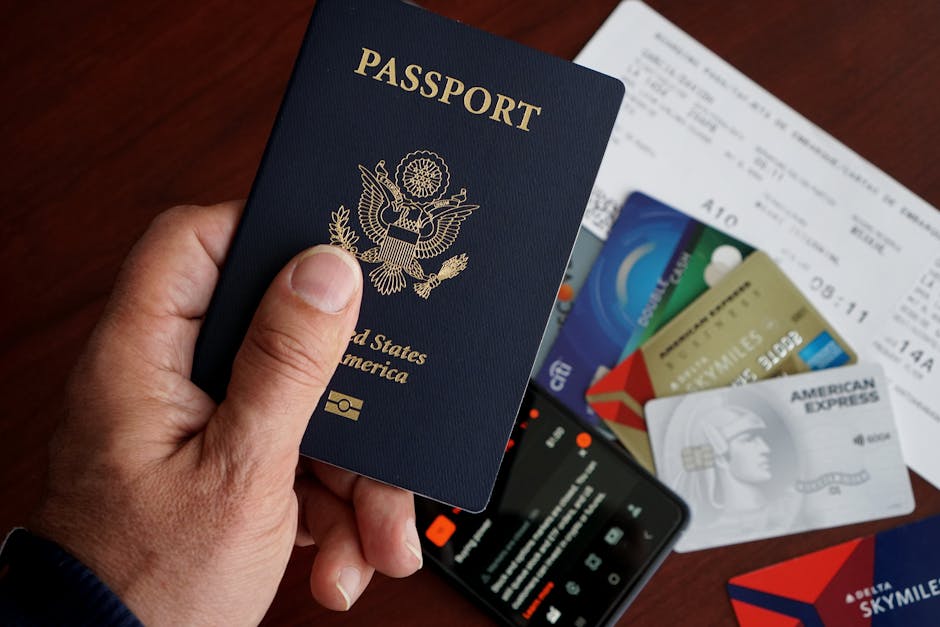
Lounge access has become a bit of a crowded mess lately. If you have been to a Priority Pass lounge in a major airport recently, you probably saw a waitlist or a room so full you couldn’t find a seat. This is why I have shifted my focus toward cards that offer proprietary lounge networks. When the weather turns bad and every flight is delayed, having a quiet place with a clean bathroom and free coffee isn’t just a luxury—it’s a sanity saver. Similarly, the “invisible” perks like trip delay reimbursement and baggage insurance are what actually save you money when things go wrong.
Always read the Guide to Benefits for your specific card. Many people assume they have insurance, but you must pay for the entire trip (or at least a portion of the taxes/fees on an award ticket) with that specific card to trigger the coverage.
The Venture X Lounge Advantage
Capital One is currently winning the lounge war by building spaces that people actually want to be in. Their lounges in DFW, IAD, and DEN are consistently better than the standard Priority Pass options. The Venture X gives you and two guests unlimited access. The pro here is the guest policy, which is more generous than the current Amex Platinum rules (which now require a significant spend for guest access). The con is the limited number of Capital One branded locations, though the included Priority Pass membership helps fill the gaps internationally.
The Insurance Powerhouse: Chase Sapphire Reserve
When it comes to the fine print, Chase still holds the crown. Their trip delay reimbursement kicks in after just six hours or if an overnight stay is required. Most other cards require a 12-hour delay. They also provide up to $10,000 in trip cancellation insurance per person. I have personally used this for a medical emergency that canceled a trip to Italy, and the claims process, while tedious, was fair and thorough. If you are booking expensive, non-refundable international tours, the peace of mind provided by the Reserve is worth the annual fee alone.
How do I maximize points for international flights and hotel stays?

Earning points is only half the battle; the real skill is in the extraction. If you are using your points to book through a bank portal at a fixed rate, you are likely leaving money on the table. The most successful travelers I know use a “hub and spoke” model. They earn points in a flexible currency (like Chase Ultimate Rewards or Amex Membership Rewards) and then move them to specific airline or hotel programs only when they are ready to book a high-value award.
- Transfer to Hyatt: This is the single best use of Chase points. A night at a luxury Park Hyatt might cost $1,000 or 30,000 points. That is over 3 cents per point in value.
- Look for Transfer Bonuses: Amex and Capital One frequently offer 20-30% bonuses when transferring to partners like Virgin Atlantic or Air France-KLM. This can turn a 50,000-point flight into a 38,000-point flight.
- Use Retail Portals: Before you buy anything online, check if your credit card has a shopping portal. You can often earn an extra 5-10x points per dollar spent on retail items, which stacks on top of what you earn from the card itself.
- Avoid the “Point Trap”: Don’t hoard points for years. Devaluations happen without warning. My rule is to earn and burn within an 18-month window.
The Strategy for International Business Class
If your goal is a lie-flat seat over the Atlantic, you need to focus on programs with low taxes and fees. Transferring Amex points to ANA (All Nippon Airways) for trips to Asia or using Avios for short-haul flights around Europe are classic moves. The pro of this strategy is the massive savings—I’ve booked $6,000 seats for about $200 in taxes. The con is the time required for research. You have to be willing to search for award availability months in advance or at the very last minute. For those who don’t want to spend hours on forums, sticking to the 1.5-cent portal redemption on the Sapphire Reserve is a perfectly respectable, low-stress alternative.
Choosing the right card for January 2025 isn’t about finding the one with the highest number on the marketing material. It is about looking at your actual spending habits. Do you spend more at the grocery store or at the airport? Do you value a simplified 2% back, or are you willing to play the transfer partner game for a first-class seat? I have found that a two-card strategy—one premium card for travel and insurance, and one no-fee card for everyday categories—usually provides the best balance of rewards and protection without overcomplicating your financial life.