Denmark is statistically one of the world’s most consistent nations regarding social welfare and happiness, yet it experiences an average of 170 days of precipitation annually. This meteorological reality dictates the rhythm of Danish life and, by extension, the optimal windows for international tourism. Travelers often prioritize the summer months for the extended daylight, but a data-driven approach reveals that the shoulder seasons offer a more balanced ratio of cost to accessibility. Understanding the complex interplay between the North Sea’s maritime influence and the country’s seasonal festivals is required for any efficient itinerary. While many perceive Scandinavia as a monolithic block of cold, Denmark’s low-lying geography creates unique micro-climates that can shift from bright sunshine to heavy drizzle within a single hour, making the “when” of your visit just as important as the “where.”
Seasonal Temperature and Precipitation Patterns in Denmark
Denmark’s climate is classified as temperate-maritime, characterized by unstable weather patterns driven by the Atlantic. The presence of the Gulf Stream ensures that winters are milder than the country’s latitude might suggest—Copenhagen sits at roughly the same latitude as Moscow or Juneau, Alaska, yet its harbors rarely freeze. Summers remain relatively cool compared to continental Europe, which has become an increasing draw for “coolcationers” escaping the heatwaves of southern Italy or Spain. Data from the Danish Meteorological Institute indicates that the warmest month is typically August, with average highs of 22°C (72°F), though recent years have seen occasional heatwaves pushing temperatures toward 30°C (86°F).
Precipitation is distributed relatively evenly throughout the year, but the type of rain changes. Winter rain is often a persistent, fine mist driven by high winds, while summer rain tends to come in short, intense bursts followed by clear skies. For travelers, this means that waterproof gear is a non-negotiable requirement regardless of the month. The wind is the most underestimated factor; the “Vestenvind” (West Wind) can make a 10°C day feel significantly colder, particularly on the exposed coasts of Jutland. Understanding these nuances allows for better preparation, especially when choosing between the sheltered streets of Aarhus and the open dunes of Skagen.
The Impact of Daylight Variance
Daylight is perhaps the most significant variable for a Danish expedition. In late June, the sun rises around 4:30 AM and sets after 10:00 PM, providing nearly 18 hours of usable light. This phenomenon, known as the “Light Nights” (Lyse nætter), means the sky never truly becomes pitch black, lingering in a deep indigo. This is a stark contrast to late December, where the sun may only be visible for seven hours, often obscured by heavy cloud cover, with sunset occurring as early as 3:30 PM.
For those planning to document their trip, lighting conditions are a primary concern. Using a high-performance device like the Samsung Galaxy S24 Ultra (approx. $1,200) becomes advantageous here. Its 200MP sensor and advanced nightography features allow for crisp captures of Copenhagen’s Nyhavn even during the dim, blue-hour windows of winter. Pros: The 100x Space Zoom is excellent for capturing architectural details on the spires of Børsen, and the IP68 water resistance is necessary given the frequent drizzle. Cons: The significant weight (232g) and the high price point compared to standard mobile units. The device’s NPU-driven AI editing also helps brighten those notoriously grey Danish afternoons, ensuring your travel photos don’t look as gloomy as the weather might feel.
Monthly Weather Averages
| Month | Avg High (°C) | Avg Low (°C) | Rainy Days | Daylight Hours |
|---|---|---|---|---|
| January | 3 | -1 | 18 | 7.5 |
| May | 16 | 7 | 12 | 16.5 |
| July | 22 | 13 | 14 | 17.5 |
| October | 12 | 6 | 17 | 10.5 |
Cost Analysis of Visiting Denmark During Peak and Shoulder Seasons
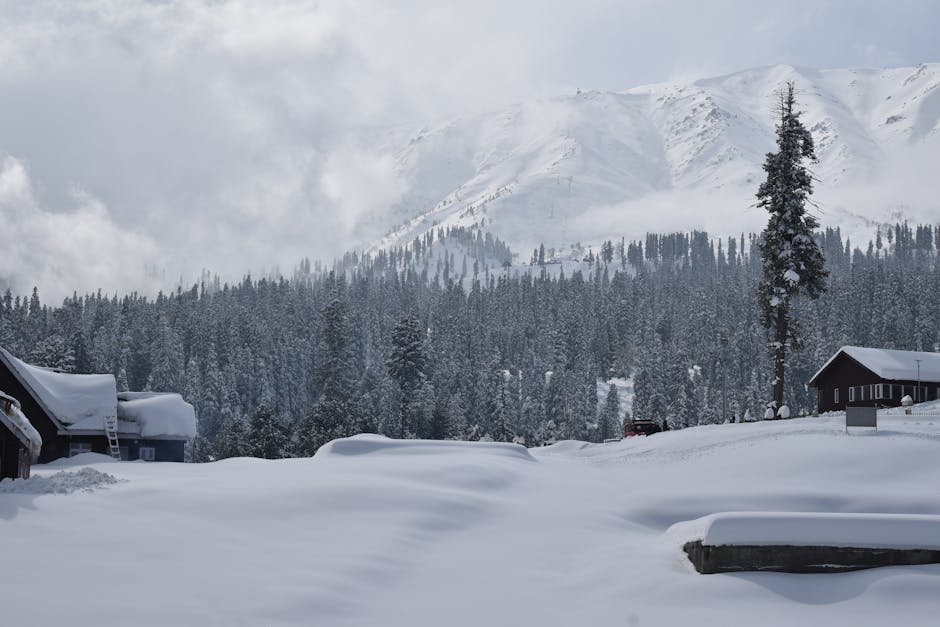
Denmark is objectively expensive. The Danish Krone (DKK) remains strong, and the cost of living in Copenhagen is consistently ranked among the highest in Europe. Travelers must distinguish between the “High Season” (mid-June to August) and the “Shoulder Season” (May to early June and September). During the peak summer months, hotel rates in central Copenhagen can increase by 40% to 60% compared to November or February prices. A standard double room in a mid-range hotel that costs 1,200 DKK in March can easily command 2,000 DKK in July.
Strategic Spending and Currency Management
To manage these costs, selecting the correct financial tools is a prerequisite. Utilizing a premium travel card, such as the American Express Platinum Card (approx. £650/year in the UK market), can offset high local prices through its comprehensive travel insurance and access to airport lounges like the Eventyr Lounge in Copenhagen Airport. Pros: The card offers a £150 annual dining credit (UK version) which can be used at several high-end restaurants in Copenhagen, and the lack of foreign transaction fees is vital when every coffee costs 45 DKK. Cons: The high annual fee means it is only cost-effective for frequent travelers who utilize the hotel credits and insurance benefits. For those on a stricter budget, focusing on the month of May provides the best intersection of rising temperatures and pre-peak accommodation pricing.
Evidence suggests that booking rail travel via the DSB (Danish State Railways) at least 60 days in advance can secure “Orange Tickets,” which often cost less than half the standard walk-up fare. These tickets are person-specific and non-refundable, but for a planned itinerary, they represent the single best way to reduce domestic travel costs.
When to Visit for Cultural Events and Festivals
The cultural calendar in Denmark is heavily weighted toward the summer, as the population seeks to maximize the outdoor window. The Roskilde Festival, one of Europe’s largest music events, typically occurs in the last week of June and the first week of July. It transforms the landscape, drawing over 100,000 attendees to a temporary city. If your goal is a quiet exploration of the Danish countryside, this is a week to avoid the Sjælland (Zealand) region, as transport networks become congested and car rental prices spike.
Beyond the massive music festivals, the “Culture Night” (Kulturnatten) in Copenhagen is a standout event held in mid-October. Over 250 museums, churches, and government buildings—including those usually closed to the public—open their doors for a single night. This is an ideal time for those who prefer urban exploration over nature, as the city takes on a vibrant, electric atmosphere despite the autumn chill.
Major Cultural Milestones
- Copenhagen Jazz Festival (July): Over 1,200 concerts across the city, many of which are free and held in public squares. It is one of the most accessible ways to experience the city’s high-end culture without the high-end price tag.
- Aarhus Festuge (Late August/Early September): A ten-day arts and culture festival that is one of the largest in Scandinavia, featuring everything from underground theater to world-class gastronomy.
- Tivoli Gardens Seasons: The historic park has three distinct seasons: Summer (April–September), Halloween (October), and Christmas (November–December). The Christmas season is the peak for “hygge” seekers, featuring a specialized market and traditional Danish “Æbleskiver” (pancake puffs).
- Sort Sol (Black Sun): Occurring in the marshlands of Southwest Jutland in March/April and September/October, where up to a million starlings create mesmerizing patterns in the sky at sunset.
Visiting during these windows requires robust connectivity. Relying on hotel Wi-Fi is insufficient for navigating the complex festival schedules or mobile-only ticketing systems. A Lebara Mobile Prepaid SIM (approx. £15 for 20GB) is a reliable choice for Denmark. Specs: Operates on the Telenor/Telia network, 4G/5G capable. Pros: Ease of purchase at any 7-Eleven and lack of credit checks. Cons: Data speeds can be throttled during massive events like Roskilde due to network congestion. Alternatively, the Three UK International Roaming add-on (approx. £2/day) is a functional choice for short-term visitors. Pros: Simplicity of keeping your own number. Cons: The daily fee can accumulate on longer trips, making a local SIM more economical for stays exceeding seven days.
Regional Variations: Jutland vs. Zealand and the Islands
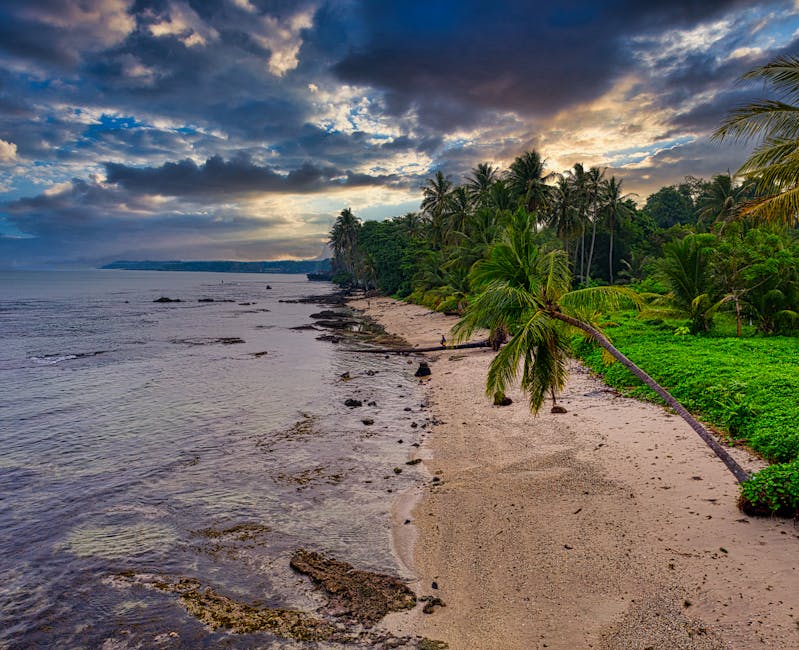
The best time to visit depends heavily on your specific destination within the kingdom. Copenhagen (on Zealand) is a year-round destination because its primary draws—museums, dining, and architecture—are weather-independent. However, the West Coast of Jutland is a different matter. This region is defined by its massive beaches and wind-swept dunes. Visiting Jutland in November is generally discouraged unless the goal is total isolation, as many seasonal businesses in beach towns like Blåvand or Skagen close entirely after the autumn half-term (Week 42 in the Danish calendar).
In contrast, the “Danish Riviera” on the north coast of Zealand (Nordsjælland) thrives in June. This is where the locals go to their summer houses. The beaches are calm, and the proximity to Kronborg Castle (the setting of Hamlet) makes it a perfect summer day trip. If you are interested in Viking history, the Viking Ship Museum in Roskilde is best visited in summer when you can actually go out on the fjord in reconstructed longships—an activity that ceases when the autumn winds pick up.
The Island of Bornholm
Bornholm, located in the Baltic Sea, is known as the “Sunshine Island.” It possesses a microclimate that keeps it slightly warmer and drier than the rest of the country. The best window for Bornholm is strictly June through August. Outside of these months, the ferry connections from Ystad (Sweden) or Køge can be disrupted by Baltic storms, and the island’s famous smokehouses (røgerier) operate on limited hours. In July, the island hosts “Folkemødet,” a massive political festival that makes accommodation almost impossible to find unless booked a year in advance.
Legoland Billund Timing
For families, the Billund region in central Jutland is the primary target. Legoland opens in late March and closes in early November. To avoid the most oppressive crowds, the period immediately following the Danish school start (mid-August) offers a significant drop in queue times while the weather remains conducive to outdoor play. Avoid the “Common Prayer Day” (Store Bededag) weekend and Ascension Day, as these are peak local travel times when the park reaches maximum capacity.
Common Mistakes When Planning a Danish Itinerary
One of the most frequent errors travelers make is underestimating the “Monday Closure” rule. Most state-run museums and many smaller boutiques in towns outside Copenhagen remain closed on Mondays. If your visit is short (e.g., a 3-day weekend), timing it from Friday to Sunday is much more efficient than Sunday to Tuesday. Another mistake is ignoring the Danish “Week 42” (the third week of October). This is the national school autumn break; while many attractions have special events, they are also incredibly crowded and domestic travel prices rise significantly.
Furthermore, many travelers fail to account for the “Early Close” culture. Outside of the main summer window, many cafes and attractions in smaller towns like Ribe or Ebeltoft may close as early as 4:00 PM. Always check the specific opening hours for the month of your visit on the official “VisitDenmark” portal, as they shift drastically between April and May.
Packing for the Danish Microclimate: A Technical Approach
Because you will likely experience three seasons in one day, layering is the only logical strategy. A lightweight, breathable waterproof shell is more valuable than a heavy wool coat, even in early spring. For footwear, the Danes prioritize “practical-chic”—think waterproof leather boots or high-quality sneakers. If you are visiting in winter, a technical base layer (merino wool) is essential for surviving the damp cold that “seeps into the bones.”
Connectivity and Gear Comparison
| Product | Best For | Estimated Cost | Key Benefit |
|---|---|---|---|
| Samsung S24 Ultra | Photography/Navigation | $1,200 | Waterproof & Superior Low-light |
| Amex Platinum | Luxury/Insurance | £650/year | Lounge access & No FX fees |
| Lebara Prepaid | Budget Data | £15 | High data volume, local speeds |
| Three UK Roaming | Convenience | £2/day | Keep your existing number |
Data-Driven Recommendation: The Ideal Window
After synthesizing weather patterns, cost fluctuations, and event density, the data points to a clear “best” window for the average traveler. The final two weeks of May and the first week of June represent the peak utility for a Danish visit. During this period, the probability of rain is at its lowest annual point (approx. 11-12 days per month), temperatures are comfortably between 14°C and 18°C, and the “light nights” have begun without the inflated July hotel prices. The landscapes are also at their most vibrant, with the rapeseed fields in full yellow bloom across the countryside.
Traveler Type Comparison
| Traveler Type | Recommended Month | Primary Reason |
|---|---|---|
| Budget Conscious | September | Post-summer price drop; mild weather persists. |
| Culture Seeker | July | Maximum festival density and outdoor life. |
| Nature Photographer | June | 17.5 hours of daylight and blooming landscapes. |
| Hygge Enthusiast | December | Christmas markets and atmospheric lighting. |
For those prioritizing the Christmas atmosphere, the period from November 15th to December 22nd is the only logical choice. While the weather is objectively poor—damp, dark, and windy—the cultural infrastructure is designed to counteract this. Tivoli Gardens is transformed with millions of lights, and the “Julefrokost” (Christmas lunch) season means restaurants are at their most vibrant. Just ensure your gear is up to the task; a waterproof shell, a high-capacity power bank for your Samsung Galaxy S24 Ultra (as cold drains batteries faster), and a reliable roaming plan are the bare minimum requirements for a successful winter in the North. By aligning your visit with these specific windows, you transition from a mere tourist to a strategic traveler, maximizing the high-cost environment of Denmark for the best possible return on investment.