Most people think a European family trip means either Disneyland Paris prices or bored kids dragging behind you through museums. Wrong. The continent is full of cities where kids eat free, public transport costs pennies, and playgrounds outnumber Starbucks. You just have to know where to look. Here are five cities that get it right.
Lisbon: Hills, Trams, and Pastéis de Nata
Lisbon is the best value capital in Western Europe for families. Period. A ride on the iconic Tram 28 costs €3.10 for adults and kids under 4 ride free. That tram ride doubles as sightseeing and entertainment. My kids treated it like a roller coaster.
The city’s topography looks intimidating with a stroller, but the public elevators and funiculars solve that. The Elevador da Glória costs €2.90 and saves you a brutal climb from Avenida da Liberdade to Bairro Alto. Kids love the ride. You love not carrying them.
Where to Eat Cheap
Skip the tourist traps on Rua Augusta. Head to Time Out Market Lisboa (Mercado da Ribeira) where you can feed a family of four for under €35. The Pastéis de Belém bakery sells the original pastel de nata for €1.30 each. Buy six. They will disappear.
What Kids Actually Like
- Oceanário de Lisboa — one of Europe’s best aquariums. Family ticket costs €42. Budget two hours minimum.
- Jardim da Estrela — a massive playground with a café right next to it. Free entry.
- Hippotrip — an amphibious bus that drives into the river. It’s €25 per adult, €15 per child. Cheesy? Yes. Worth it? Also yes.
Lisbon’s biggest failure mode is underestimating the hills. Don’t bring a cheap umbrella stroller. Bring something with real wheels. And avoid August unless you enjoy standing in line with sweaty strangers.
Kraków: Where Your Money Still Works
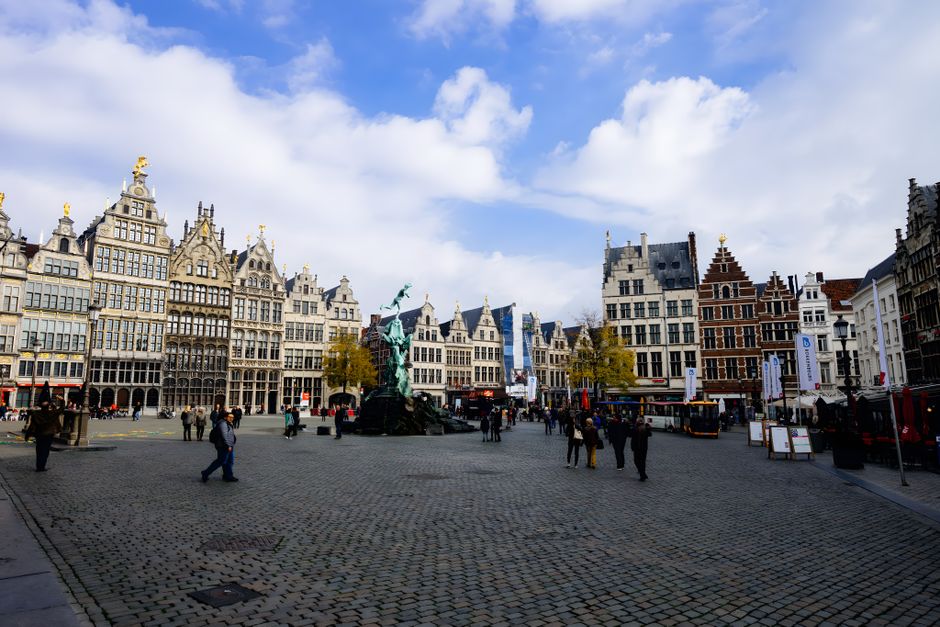
Kraków is the answer when someone asks where to take kids in Europe on a budget. A family dinner at a decent restaurant runs €25-30. A scoop of gelato costs €1.50. Your wallet will be confused.
The Old Town is flat, compact, and mostly car-free. That matters more than you think with a five-year-old who refuses to walk. The Main Square (Rynek Główny) has horse-drawn carriages, street performers, and enough pigeons to occupy a toddler for an hour.
The One Thing You Must Do
Wawel Castle. Entry to the grounds is free. The Dragon’s Den (Smocza Jama) costs 9 złoty (about €2) and ends at a fire-breathing dragon statue. It’s the single best €2 you’ll spend in Europe. Go at dusk when the dragon actually looks cool.
Day Trip That’s Actually Worth It
The Wieliczka Salt Mine is 30 minutes by train. Adult tickets cost 129 złoty (€30), kids under 4 free. Yes, it’s a salt mine. Yes, your kids will love it. There’s an underground lake, chapels carved from salt, and enough echoey tunnels to feel like a video game level.
Kraków’s weakness is winter. November through February is gray and cold. Go between April and October. And book your train from Warsaw or Berlin in advance — last-minute Polish rail tickets cost double.
Valencia: The City That Built a Park in a River
Valencia solved a problem most cities ignore: it turned a flood-prone river into a 9-kilometer park that wraps around the city. The Jardín del Turia has playgrounds every few hundred meters, bike paths, and zero cars. It’s the single best piece of urban planning for families in Europe. Barcelona should take notes.
Bike rental costs €10-15 per day at places like Valencia Bikes. The park is flat, shaded, and connects the city center to the City of Arts and Sciences. That’s your afternoon sorted.
What to Skip and What to Book
Skip the Oceanogràfic if you’ve already done Lisbon’s aquarium. It’s good but overpriced at €38.50 per adult. Book the Bioparc instead. It’s €26.90 for adults, €20 for kids, and it’s designed so animals have no visible cages. My daughter still talks about the lemurs walking past her head.
Food Strategy
Valencia is the birthplace of paella. Don’t eat it at dinner — locals eat it at lunch, and restaurants that serve it after 3pm are targeting tourists. Try Restaurante La Pepica on the beach. A paella for four runs €45-55 and it’s the real thing: rabbit, chicken, and snails if you’re brave.
For cheap eats, hit Mercado Central. Fresh fruit, jamón sandwiches, and horchata with fartons (a local pastry) for under €10 total. Kids under 6 eat free at most tapas bars if you order a drink.
Prague: Castles, Playgrounds, and Cheap Beer (For You)
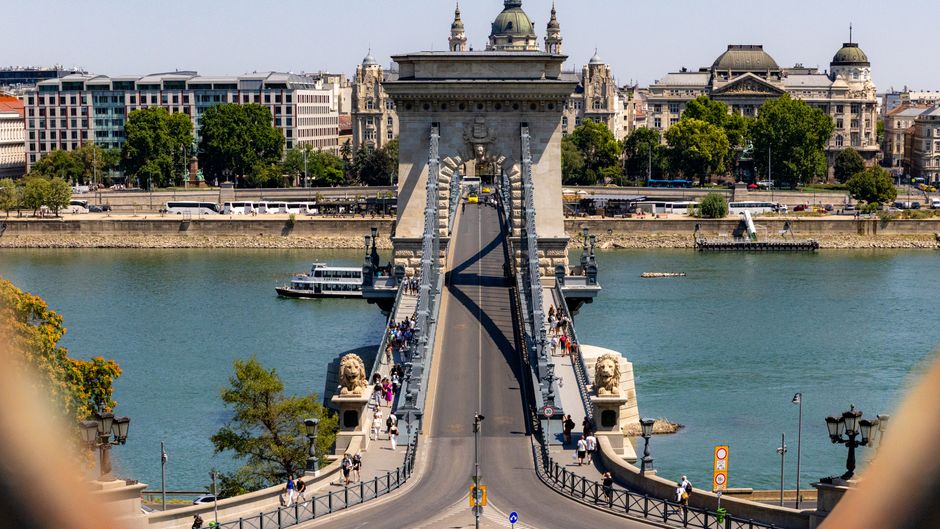
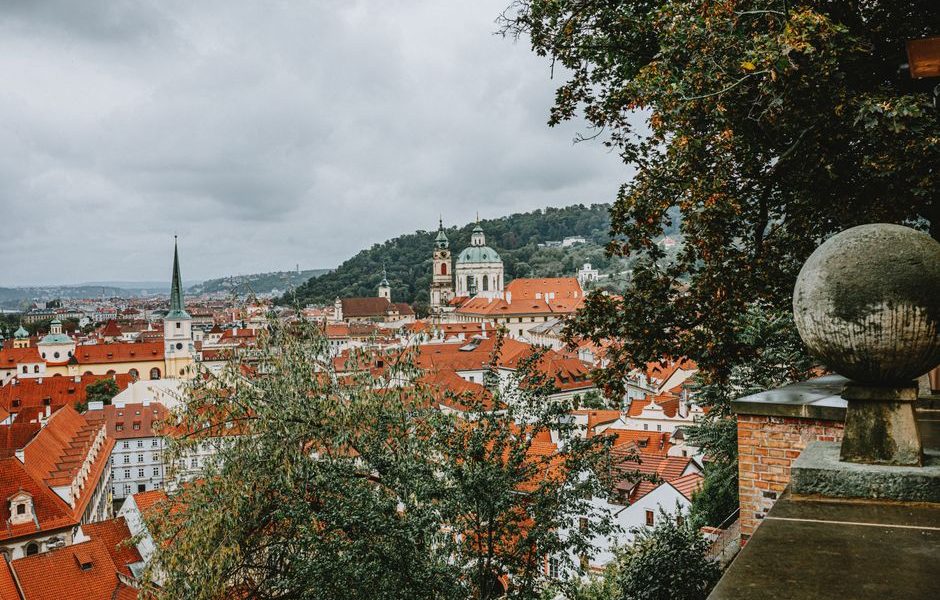
Prague is not a hidden gem. It’s been discovered. But it’s still cheaper than Vienna, Berlin, or anywhere in Scandinavia. And the city center is a playground disguised as a UNESCO site.
The Prague Castle complex costs 450 CZK (€18) for a family ticket. Skip the interior if your kids are under 8. The real draw is the changing of the guard at noon and the view from the castle ramparts. Free.
The Playground Situation
Prague has exceptional playgrounds. The best one is at Kampa Park, right next to the Charles Bridge. It has a wooden castle, water features, and a beer garden 20 meters away. You can watch your kids while drinking a Pilsner Urquell for 65 CZK (€2.70). This is what family travel should look like.
Transport That Kids Love
The Petřín Funicular is included in a regular transit ticket (40 CZK / €1.70). It climbs a hill to a mini Eiffel Tower and a mirror maze. The mirror maze costs 120 CZK for adults, 60 CZK for kids. It takes 20 minutes and your kids will demand to do it twice.
Prague’s failure mode is exchange rate scams. Never change money at a currency exchange booth on Wenceslas Square. Use ATMs from real banks (Česká spořitelna, Komerční banka) or just pay by card. And skip the trdelník chimney cakes from street stalls — they’re a tourist invention and cost triple what they should.
Budapest: Thermal Baths and Ruin Bars (Yes, With Kids)
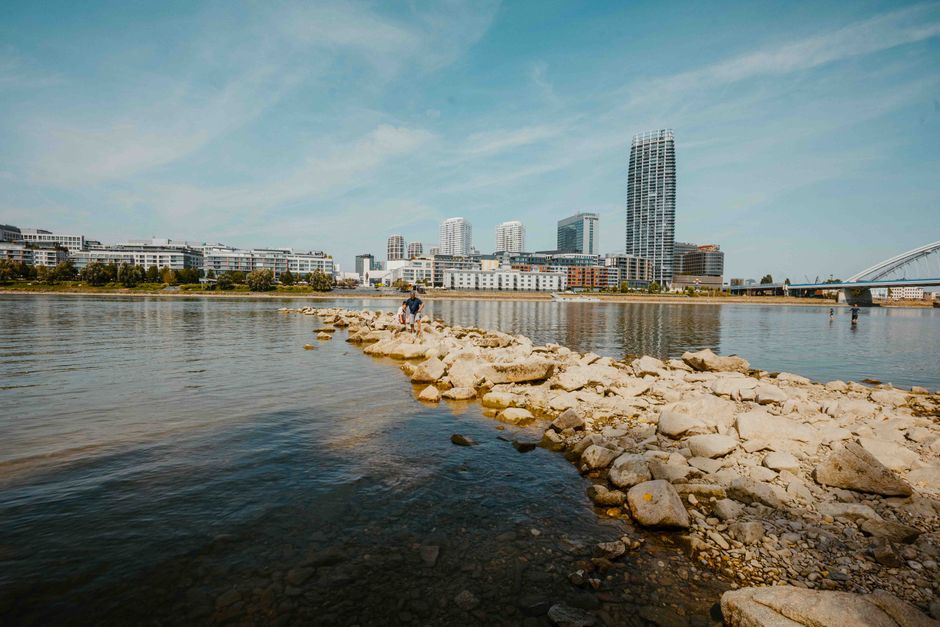
Budapest is the cheapest capital in Central Europe for families who want a mix of culture and chaos. The Széchenyi Thermal Baths cost 9,400 HUF (€24) for adults on weekdays, and kids under 6 are free. The outdoor pools are warm, the architecture is ridiculous, and no one cares if your toddler splashes a stranger.
The city is split by the Danube. Buda side is hills and quiet. Pest side is flat and loud. Stay on the Pest side near the Jewish Quarter if you want walkable restaurants. Stay on the Buda side if you want quiet nights and bigger hotel rooms for the same price.
The Cheap Eat Nobody Tells You About
Lángos. It’s fried dough topped with sour cream and cheese. It costs 1,500-2,000 HUF (€4-5) and it’s everywhere. Your kids will think it’s a dessert and a meal at the same time. Get it at Retro Lángos near the Great Market Hall, not from the stalls on Váci Street.
When Not to Go
Don’t go in July. Budapest in summer is hot, crowded, and the thermal baths feel like a mistake. May, September, and October are perfect. And skip the hop-on hop-off bus — the metro, trams, and buses cost 450 HUF (€1.20) per ride and kids under 6 ride free. The city is walkable enough that you don’t need a 72-hour pass unless you’re staying far out.
| City | Avg. Family Dinner | Top Kid Activity | Best Budget Tip |
|---|---|---|---|
| Lisbon | €30-40 | Oceanário de Lisboa | Tram 28 doubles as sightseeing |
| Kraków | €25-30 | Wawel Dragon’s Den | Eat at milk bars (bar mleczny) |
| Valencia | €35-45 | Jardín del Turia playgrounds | Bike the park instead of taxis |
| Prague | €30-40 | Kampa Park playground | Use bank ATMs, not exchange booths |
| Budapest | €25-35 | Széchenyi Thermal Baths | Kids under 6 ride transit free |
Here’s the thing: a family trip to Europe doesn’t need to cost €300 a day. Pick one of these cities, book an apartment with a kitchenette instead of a hotel, and use playgrounds as your itinerary. The kids won’t remember the cathedral. They’ll remember the tram ride, the dragon that breathed fire, and the fried dough with cheese. That’s the trip.
The single most important takeaway: choose one city and stay put for a week instead of hopping between three — travel days are where budgets and patience go to die.