You do not need to be an athlete to trek in the Himalayas. You need to be prepared, humble about altitude, and willing to spend money on the right gear. Most first-timers fail because they pack too much, ignore permits, and treat 4,000 meters like a hill. This guide fixes that.
The Real Gear List: What Actually Matters
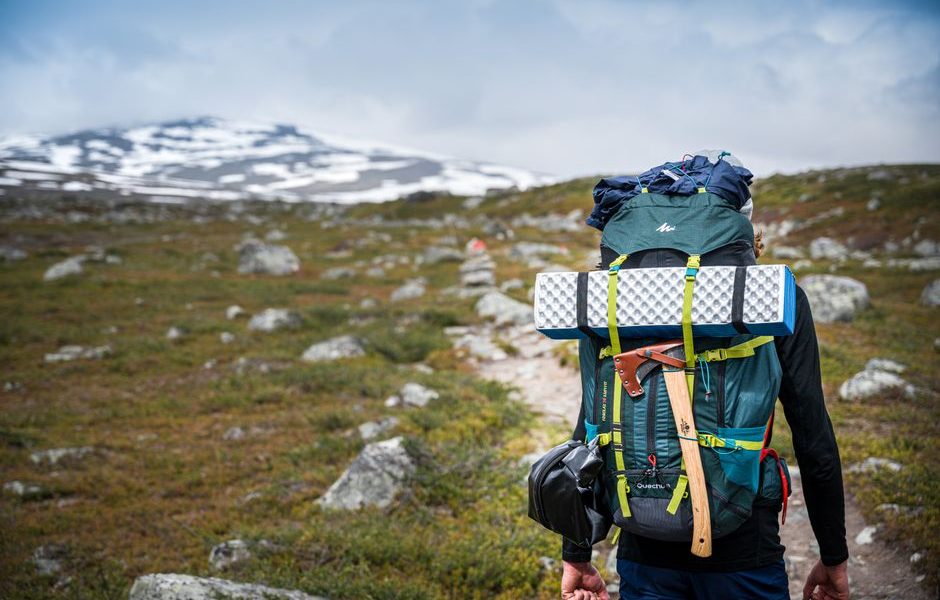
Forget the 80-liter expedition packs. For a teahouse trek in Nepal or a guided trek in India, a 45–55 liter pack is the sweet spot. The Osprey Kyte 46 (women’s) and Osprey Kestrel 48 (men’s) cost around $200 and carry better than anything else at that price. If you want lighter, the Gregory Jade 43 is $190 and weighs 1.4 kg empty.
Boots vs Trail Runners: Pick One and Stop Overthinking
Trail runners work for dry, well-maintained trails like the Annapurna Circuit lower sections. The La Sportiva Ultra Raptor II ($155) grips wet rock well and dries fast. But if you’re doing high passes with snow or mud, get waterproof boots. The Salomon Quest 4 GTX ($230) breaks in fast and handles scree well. Do not buy new boots a week before flying to Kathmandu. You need 30–40 km on them first.
The Layering System That Prevents Hypothermia
Three layers. Base, insulation, shell. Base layer should be merino wool — Smartwool Classic Thermal 250 top ($110) or Icebreaker 200 Oasis ($100). Cotton kills. Insulation: the Patagonia Nano Puff ($199) or Decathlon Forclaz MT100 down jacket ($80) if you’re on a budget. Shell: any 2.5-layer waterproof with pit zips. The Marmot PreCip Eco ($100) is fine. You do not need a $600 Arc’teryx shell for a first trek.
Sleeping bag: teahouses provide blankets, but they’re often dirty and thin above 3,500 meters. Bring a 0°C or -10°C down bag. The Kelty Cosmic 20 ($170) is the budget pick. The Rab Ascent 700 ($350) is warmer and packs smaller. Rent in Kathmandu if you don’t want to buy — shops like Shona’s Alpine rent bags for $1–2 per day.
Permits: The Paperwork That Gets You On the Trail
You cannot just show up and start walking. Nepal and India both require permits. The rules changed again in 2026 and still apply for 2026. Here’s the breakdown.
| Trek Region | Permit Required | Cost (2026) | Where to Get It |
|---|---|---|---|
| Everest Base Camp (Nepal) | Sagarmatha National Park Entry + Khumbu Pasang Lhamu Rural Municipality Permit | NPR 3,000 + NPR 2,000 (~$38 total) | Monjo or Lukla checkpoint |
| Annapurna Circuit (Nepal) | ACAP + TIMS Card | NPR 3,000 + NPR 2,000 (~$38 total) | Kathmandu or Pokhara tourism office |
| Langtang (Nepal) | Langtang National Park Entry + TIMS Card | NPR 3,000 + NPR 2,000 (~$38 total) | Kathmandu |
| Markha Valley (India, Ladakh) | Inner Line Permit (ILP) for foreigners | INR 600 (~$7) | Leh DC office or online |
| Kedarkantha (India, Uttarakhand) | Forest Entry Permit | INR 250 (~$3) | Govind Wildlife Sanctuary gate |
TIMS cards are being phased out in some regions, replaced by local municipality permits. Always ask your guide or teahouse owner in 2026 what’s current. Carry passport photos — you’ll need 2–4 for various permits. Do not laminate your permits. Officials want to stamp them.
Altitude Sickness: The Thing That Actually Kills People
More people die from Acute Mountain Sickness (AMS) than from falls, avalanches, or exposure combined. The rule is simple: do not ascend more than 500 meters per day above 3,000 meters. Sleep lower than your highest point that day. If you have a headache, nausea, or dizziness, stop ascending. If symptoms worsen, descend immediately. Diamox (acetazolamide) helps prevent AMS. Take 125 mg twice daily starting 24 hours before ascent. It makes you pee more and makes carbonated drinks taste flat. That’s normal.
The Annapurna Circuit crosses Thorong La Pass at 5,416 meters. Everest Base Camp tops out at 5,364 meters. Both are high enough to kill you if you rush. Plan at least one acclimatization day above 3,500 meters. Most itineraries include one — do not skip it to save time.
What a Realistic Itinerary Looks Like
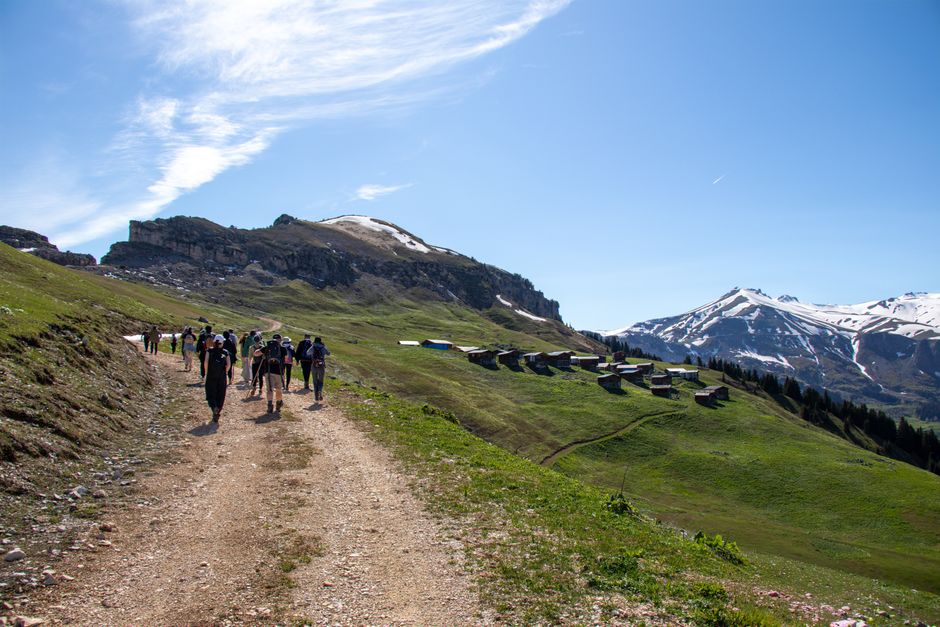
Beginners should pick the Ghorepani Poon Hill trek in Nepal. Four days, max altitude 3,210 meters, teahouses every few hours. It’s the best first Himalayan trek. Period. You get big mountain views without the risk of AMS. The Annapurna Base Camp trek (7–10 days, 4,130 meters) is a good second step. Do not make Everest Base Camp your first trek. You’ll either fail, get sick, or hate it.
- Day 1: Nayapul to Tikhedhunga (1,540m) — 4 hours, easy
- Day 2: Tikhedhunga to Ghorepani (2,860m) — 7 hours, 3,300 stone steps
- Day 3: Ghorepani to Poon Hill sunrise (3,210m), then trek to Tadapani (2,630m) — 6 hours
- Day 4: Tadapani to Ghandruk, then jeep to Pokhara — 4 hours
This costs roughly $25–35 per day for teahouse lodging and food. A guide is not legally required in Nepal for these routes, but for a first trek, hire one. A licensed guide costs $25–35 per day. They handle permits, teahouse bookings, and know the trail. That’s cheap insurance.
Food, Water, and Staying Healthy
Teahouse menus are carb-heavy. Dal bhat (rice, lentil soup, vegetables, sometimes pickle) is the trekker’s fuel. It’s unlimited refills at most teahouses. Eat it. It’s cheap, safe, and gives you the sodium and calories you need. Avoid meat above 3,500 meters — it’s carried up on porters’ backs, unrefrigerated for days. Food poisoning on a trek is miserable and dangerous.
Water: never drink from streams without treatment. A SteriPen Ultra ($70) or Grayl GeoPress purifier ($99) kills viruses and bacteria. Bottled water costs $1–3 per liter and creates plastic waste at altitude. The Sawyer Squeeze ($35) filters bacteria but not viruses — fine for most Nepal teahouse water, but boil or treat if you’re unsure. Carry electrolyte tablets. Nuun Sport tablets ($7 for 10) mask the taste of iodine and replace what you sweat out.
Mistakes That Ruin First Treks
Packing too much. A 15 kg pack on day one feels like 30 kg by day four. You need one change of clothes, not five. You need one book, not three. You need a 10,000 mAh power bank, not a solar panel.
Ignoring weather windows. The best trekking seasons are March–May and October–November. Monsoon (June–September) means leeches, landslides, and zero views. December–February means snowed-in passes and closed teahouses. Do not book a January trek to save money. You’ll spend it on extra days stuck in a lodge.
Not carrying cash. ATMs in Lukla, Jomsom, and Pokhara run out. Carry NPR 5,000–8,000 in small bills for teahouses, snacks, and tips. Do not expect card payments above 2,500 meters.
Insurance and Emergency Evacuation
You need travel insurance that covers helicopter evacuation up to 6,000 meters. Most standard policies cap at 2,500 or 3,000 meters. World Nomads and Global Rescue both offer high-altitude trekking coverage. A helicopter evac from Everest Base Camp costs $5,000–10,000. Without insurance, you pay that out of pocket. Do not skip this. Check the policy wording for “trekking” and “mountaineering” exclusions. Trekking is fine. Climbing peaks with ropes is not.
Emergency contacts: in Nepal, call the Himalayan Rescue Association (HRA) at +977-1-4440292. In India, the nearest army or ITBP post is your best bet. Carry a local SIM — Ncell or NTC in Nepal have coverage up to 4,000 meters on most popular routes.
The Himalayas are not a theme park. They are big, remote, and indifferent to your plans. But with the right gear, the right permits, and respect for altitude, a first multi-day trek is entirely doable. Start small. Poon Hill or Markha Valley. Learn how your body handles altitude. Then come back for bigger objectives. The mountains aren’t going anywhere.