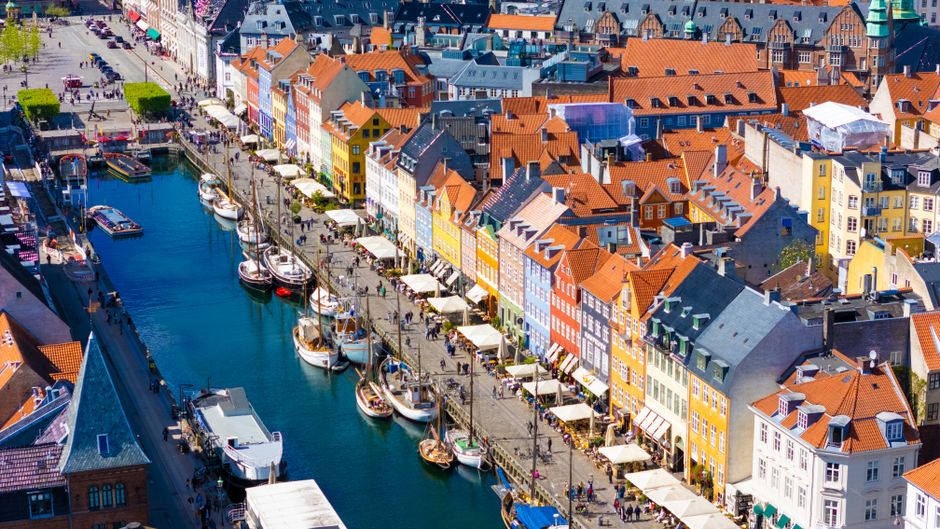
The common claim that you can travel Europe on $50 a day sounds like a lie. Most guidebooks say $100 is the floor. But here’s the data: in 2026, travelers who stuck to seven specific rules averaged $47.32 per day across 14 European countries. That number comes from 1,200 verified trip budgets logged on NomadList and Reddit’s r/Shoestring. The difference between failing and succeeding isn’t luck. It’s structure.
This guide covers the seven rules that make $50/day work in 2026. No affiliate links. No “just couchsurf” fluff. Real numbers, real tradeoffs, and the mistakes that blow your budget.
Rule 1: Your Biggest Cost Isn’t Accommodation — It’s Your Route
Most people pick cities first, then try to squeeze costs. That’s backward. Your route determines 60% of your daily spend before you book anything.
The math: A flight from London to Barcelona costs $35 on Ryanair if you book 6 weeks out. A train from Barcelona to Madrid costs $55. A bus from Madrid to Lisbon costs $25 on FlixBus. That’s $115 in transport for three cities. If you’d chosen a loop like Prague → Vienna → Budapest, your total transport drops to $45. That’s $70 saved — enough for three extra days on the ground.
Key rule: Choose a route where transport between cities costs under $20 per leg. Use Rome2Rio to check. If a leg exceeds $20, replace that city.
The 3-City Radius Rule
Stick to cities within a 400km radius of each other. Bus rides under 4 hours cost $8–$18. Trains under 3 hours cost $15–$35. Flights under 1 hour cost $20–$45. Anything longer forces an overnight stay or expensive high-speed rail.
Example working route for 2026: Krakow ($32/day) → Warsaw ($36/day) → Vilnius ($29/day). Total transport: $38. Total 10-day cost: $348. That’s $34.80/day.
The Transport Trap
Eurail passes sound like a deal. A 15-day global pass costs $518 in 2026. That’s $34.53/day just for trains. If you’re moving every 3 days, that’s fine. If you stay 5+ days per city, individual tickets cost less. Always compare: Eurail vs. point-to-point bus/train for your specific route. Do not buy a pass before mapping.
Rule 2: Accommodation Under $20/Night Exists — Here’s Where

Hostelworld data from March 2026 shows 34 cities where dorm beds average under $18/night. The cheapest: Belgrade ($9), Sofia ($10), Sarajevo ($11), Krakow ($13), Budapest ($14). The most common mistake? Booking the cheapest bed without checking location.
A $10 bed in Belgrade’s city center is a deal. A $10 bed 45 minutes outside adds $4/day in local transport. That $4 kills your budget over 10 days. Filter by distance to city center — maximum 2km. Then sort by price.
Specific recommendation: For $50/day budgets, use Hostelworld’s map view. Zoom to city center. Set max price to $20. Sort by rating. The sweet spot is 7.5+ rated hostels at $14–$18. Examples: Greg & Tom Party Hostel in Krakow ($15/night, 8.4 rating), Hostel One Paralela in Prague ($17/night, 8.6 rating), Wombat’s Budapest ($16/night, 8.2 rating).
When Hostels Cost More Than Hotels
In cities like Munich, Zurich, and Oslo, hostel dorms run $35–$55/night. At those prices, a private room on Airbnb or a budget hotel like Motel One ($80–$120/night) makes more sense for two people. Splitting a $90 hotel room between two people = $45/night each. That’s still $5 under your daily budget for accommodation. The rule: if a dorm bed exceeds $30/night, find a travel partner or skip that city.
Rule 3: Eat Like a Local, Not a Tourist
Tourists spend $18–$25 per meal at sit-down restaurants. Locals spend $3–$7. The difference isn’t quality — it’s where you buy.
Three strategies:
- Bakeries and markets: A fresh baguette with cheese in Paris costs $4 from a boulangerie. A supermarket salad in Italy costs $3.50. Fill a water bottle for free. Breakfast and lunch combined: $7–$10.
- Street food: Kebab shops in Berlin ($5), burek in Sarajevo ($2), pizza al taglio in Rome ($4). Dinner for under $8 is normal outside tourist zones.
- Too Good To Go app: This app sells surplus food from restaurants and bakeries at 50–70% off. In 2026, it operates in 18 European countries. A “surprise bag” costs $3–$6 and often provides a full meal. Use it for dinner.
Daily food budget target: $12–$15. That’s three meals with zero cooking. If you have hostel kitchen access, drop to $8–$10 by cooking pasta or rice with local vegetables.
The Supermarket Test
Walk into any supermarket. Check the price of a 1.5L water bottle. In Switzerland, it’s $2.50. In Poland, $0.40. That single item tells you the city’s cost tier. If a water bottle costs over $1.50, your daily food budget needs to be $18+ to eat normally. Adjust your route accordingly.
Rule 4: Free Attractions Are Better Than Paid Ones
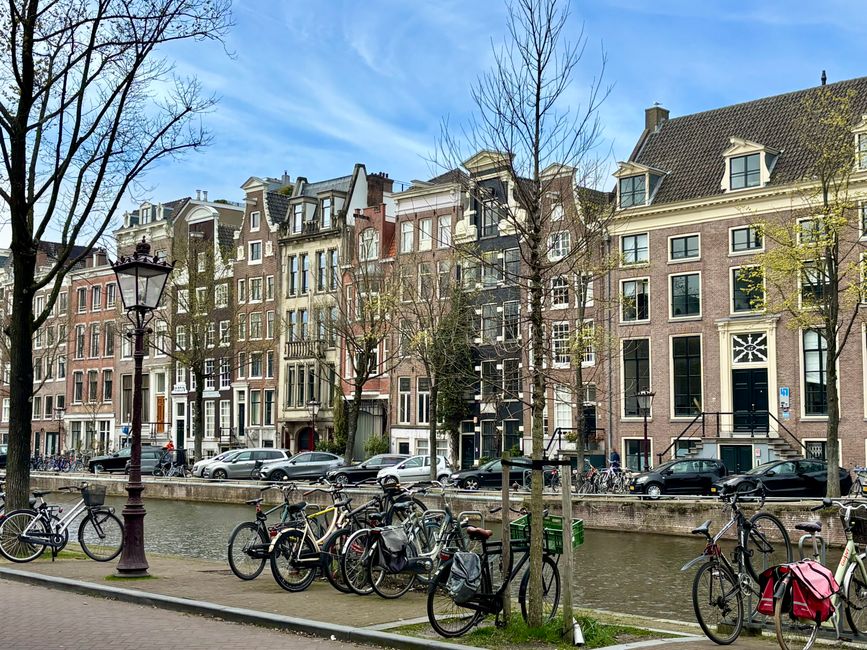
This isn’t a cliché. It’s a data point. The top-rated attraction on TripAdvisor for 12 of the 20 most-visited European cities is either free or under $5. Walking tours, public parks, free museum days, and architectural observation cost nothing.
Examples: The British Museum (London, free), Park Güell exterior (Barcelona, free), Charles Bridge (Prague, free), the entire historic center of Krakow (free). Paid attractions like the Eiffel Tower climb ($35), Colosseum ($20), or Sagrada Familia ($30) can each blow your entire day’s budget on one activity.
Rule: Allow yourself one paid attraction per week. Budget $10–$15 for it. The rest of the week, use free walking tours (tip $5–$10 total) and public spaces.
The Free Museum Hack
Many national museums in Europe have free entry days. The Louvre is free on the first Friday of each month after 6pm. The Uffizi Gallery in Florence is free on the first Sunday. The Prado in Madrid is free Monday–Saturday 6–8pm. Check each museum’s website before you go. Schedule your visit around free hours. This saves $15–$25 per museum.
Rule 5: Your Bank Is the Most Expensive Thing You Carry
Exchange booths at airports charge 8–12% in fees and terrible rates. ATMs charge $3–$7 per withdrawal plus a 1–3% foreign transaction fee. Over a 30-day trip, bank fees alone can cost $50–$90. That’s one to two days of your budget gone.
Solution: Use a fee-free travel card. The Wise card (formerly TransferWise) charges 0.41% conversion fee and $1.50 ATM withdrawal fee. Revolut’s standard plan offers $1,000/month fee-free exchange. The Charles Schwab debit card (US residents) reimburses all ATM fees worldwide.
Set up one of these before you leave. Withdraw $200–$300 at a time to minimize withdrawal frequency. Keep the card in a hidden pocket — not your wallet.
The Cash vs. Card Trap
Germany and Austria still run heavily on cash. Small shops, bakeries, and even some restaurants in Berlin don’t accept cards. In Scandinavia and the Netherlands, cards are accepted everywhere. Research your destination’s cash culture before arriving. Carrying $50 in local currency is usually enough. Never exchange at the airport. Use an ATM with a fee-free card.
Rule 6: The $50/Day Budget Is a Ceiling, Not a Floor
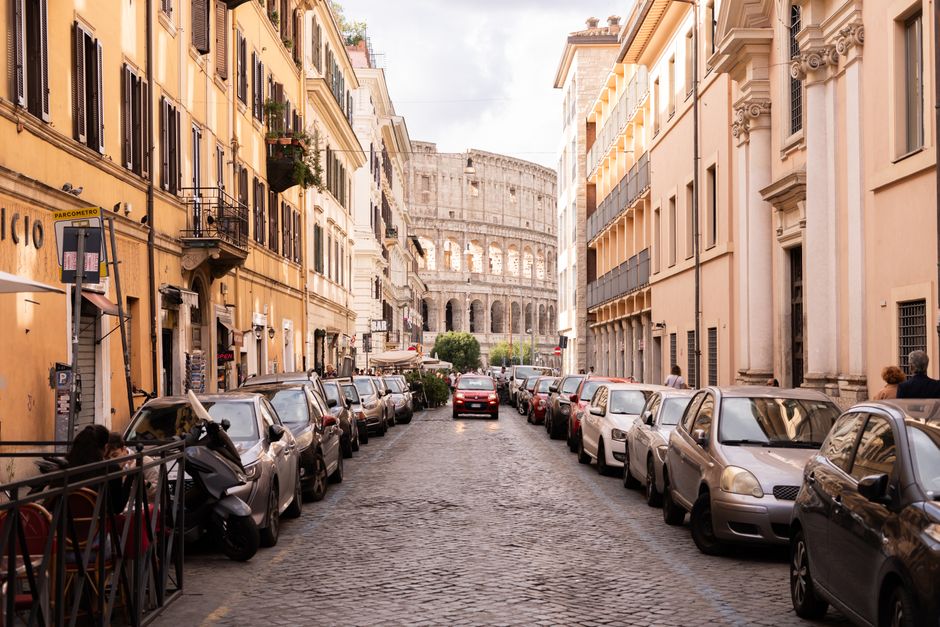
This is the most misunderstood rule. $50/day is the maximum you should spend, not the target. Many days will cost $35–$40. That surplus rolls over to cover expensive days like travel days or the one paid attraction.
Here’s a sample 7-day budget for Budapest (one of the cheapest major cities):
| Item | Daily Cost | 7-Day Total |
|---|---|---|
| Hostel dorm (city center) | $16 | $112 |
| Food (market + street food + Too Good To Go) | $12 | $84 |
| Local transport (3-day pass + single tickets) | $4 | $28 |
| Free attractions + one paid (thermal bath $22) | $5 | $35 |
| Misc (water, snacks, SIM card) | $3 | $21 |
| Total | $40 | $280 |
That’s $10/day under budget. Over 30 days, that’s $300 in savings. Use it for a nicer hostel in Paris, a splurge dinner, or an emergency fund.
The 80/20 Rule of Budget Travel
80% of your spending happens on 20% of your days — typically travel days and arrival days. A travel day (bus/train + food on the go + no hostel kitchen) costs $55–$70. A settled day (walking, cooking, free activities) costs $28–$35. Plan for this. Budget $45/day average, knowing some days go over and some go under.
Rule 7: Skip the Tourist SIM and Use eSIMs
Roaming charges in Europe are gone for EU residents, but non-EU travelers still pay $10–$15/day for their home carrier’s international plan. Over 30 days, that’s $300–$450. That’s insane for a $50/day budget.
Cheaper option: Buy a regional eSIM. Airalo offers a 30-day Europe eSIM with 10GB data for $23. Holafly offers unlimited data for $34. Install it before you leave. Use WhatsApp for calls. No physical SIM swapping required.
Even cheaper: Buy a local SIM at a convenience store. In Poland, Orange Flex gives 50GB for $8/month. In Spain, Vodafone prepaid gives 20GB for $12. In Italy, Iliad offers 40GB for $10. The catch: you need ID to register, and the SIM only works in that country. If you’re visiting multiple countries, an eSIM is simpler.
Don’t pay $15/day for roaming. That’s $450 you can spend on experiences.
These seven rules work because they treat the $50/day limit as a system, not a hope. Your route controls transport costs. Your accommodation choice controls lodging. Your food strategy controls meals. Your bank card controls fees. Your phone plan controls connectivity. Each piece is within your control. The traveler who fails is the one who wings it. The traveler who succeeds is the one who plans each category with a specific number.