Pancake Day changes character as you cross Europe. France turns it into a candlelit crêpe ritual, Eastern Europe stretches blini across a full festival week, and Sweden treats semlor as a rich final bite before Lent. The best choice for travellers depends on the calendar, the local custom and the kind of food experience you want.
Why Pancake Day looks different across Europe
The shared idea is simple: eat well before a period of fasting begins. The details are not. Pancake Day, Shrove Tuesday and the French Chandeleur sit beside older seasonal customs, while Orthodox communities often follow a different Easter calendar. That means two cities can celebrate similar foods weeks apart.
One feast, several calendars
In much of Western Europe, Shrove Tuesday falls immediately before Ash Wednesday. The date moves each year because Easter moves. In 2026, Western Shrove Tuesday falls on 17 February. France also celebrates La Chandeleur on 2 February, a separate crêpe day with its own customs. Eastern Christian traditions may place Maslenitsa according to the Julian or revised Julian calendar, so visitors should check local event dates before booking a trip.
What the food marks
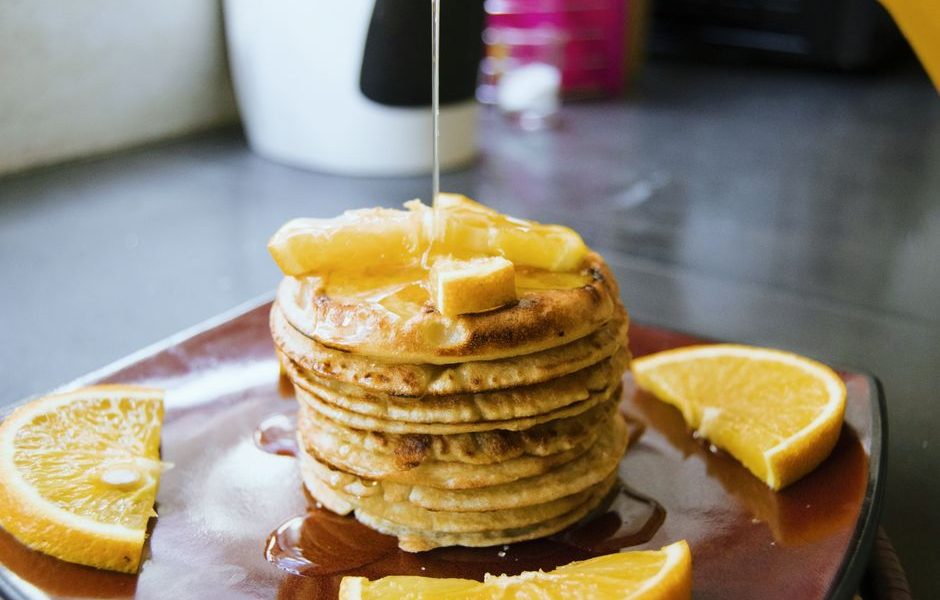
These dishes once helped households use up eggs, butter, milk and flour before Lent. Their shape also carries meaning. Round, golden pancakes suggest the sun and the return of longer days. That symbolism is strongest in seasonal festivals, but the practical reason remains just as important: a thin pancake uses basic ingredients, cooks quickly and feeds a crowd.
Verdict: Choose a Western European Shrove Tuesday for a single-day food tradition. Choose an Eastern European Maslenitsa celebration for a longer festival with music, public gatherings and repeated pancake meals.
French crêpes are the easiest European tradition to experience
For a first Pancake Day food trip, choose France. Crêpes are easy to find, simple to understand and flexible enough to suit breakfast, lunch or dessert. The tradition also works well for travellers because it is not tied to one town. Paris, Brittany, Nantes and many smaller cities offer distinct versions, from thin wheat crêpes to savoury buckwheat galettes.
How French crêpe customs work
La Chandeleur takes place on 2 February, forty days after Christmas. Families and cafés serve crêpes throughout the day. A familiar custom involves holding a coin in one hand while flipping a crêpe with the other. The act is meant to bring prosperity, though most modern diners treat it as playful theatre. Some households keep the first crêpe or place one on top of a wardrobe for luck.
Crêpe or galette?
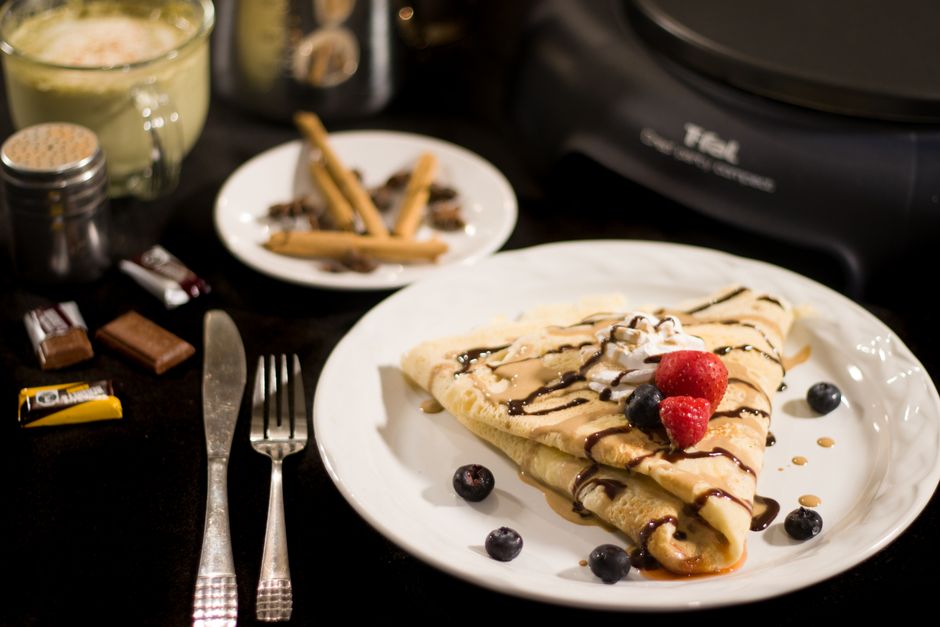
Do not use the two words as synonyms when ordering in Brittany. A crêpe usually means a sweet pancake made with wheat flour. A galette commonly means a savoury pancake made with buckwheat flour. A complete meal might start with a galette filled with egg, cheese and ham, then finish with a sweet crêpe containing sugar, lemon, caramel or chocolate.
The main mistake is treating every French pancake as a dessert. Ask for a galette at lunch and a crêpe for dessert. That small distinction gives you a more accurate taste of Breton food culture and a better meal.
What blini reveal about Maslenitsa
Blini belong to a festival rather than a single Tuesday. Maslenitsa traditionally lasts a week before the start of Lent in Eastern Christian communities. The pancakes are thin, round and often served with both sweet and savoury toppings. Their shape links them to the sun, while the festival itself creates a final stretch of feasting, visiting and public celebration.
How travellers should read the festival
Maslenitsa is not simply an Eastern European version of Pancake Day. Its customs can include sledding, folk performances, bonfires, games and the symbolic burning of a straw figure. The food sits inside that wider farewell to winter. In Russia, Belarus and Ukraine, local practice varies by region, family and religious tradition. A public event may feel festive and secular, while a family gathering may carry stronger religious meaning.
How to eat blini respectfully
Blini can arrive folded, rolled or stacked. Common accompaniments include sour cream, jam, honey, mushrooms, fish roe or smoked fish. The best approach is to try both sides of the dish rather than ordering only the sweet version. At a festival, watch how locals assemble and share them before copying the custom. Avoid reducing Maslenitsa to a costume spectacle or describing every event as an old pagan ritual. The tradition has layers, and local hosts may explain them differently.
Verdict: Blini and Maslenitsa are the strongest choice for travellers who want a festival atmosphere rather than a quick restaurant meal. Build in several days, because the event has more to offer than pancakes alone.
Semlor turn Shrove Tuesday into a Nordic pastry ritual
Swedish semlor are the richest entry in this comparison. They are cardamom-scented wheat buns filled with almond paste and whipped cream, usually finished with a dusting of icing sugar. Strictly speaking, semlor are not flat pancakes, but they belong to the same pre-Lenten food tradition. Sweden makes the choice clear: this is the destination for travellers who want a pastry stop, a coffee break and a strong seasonal ritual.
When semlor appear
Semlor are associated with Fettisdagen, Sweden’s Shrove Tuesday. Modern bakeries often sell them for weeks before the official date, sometimes beginning soon after Christmas. That long selling season helps visitors, but it also creates confusion. A semla bought in January is part of a modern bakery calendar, while a semla eaten on Fettisdagen connects directly with the traditional pre-Lenten date.
What makes a good semla
Look for a soft bun with clear cardamom aroma, a balanced layer of almond filling and cream that does not swamp the bread. The filling should taste nutty rather than simply sugary. Some traditional servings place the bun in a bowl of warm milk, known as hetvägg. Many cafés serve it dry on a plate instead. Neither format tells you the whole story, so try the local style before judging the pastry.
The common failure is ordering semlor as if they were light snacks. One is filling. Share one with coffee if you are planning a full meal later. For travellers who dislike very sweet food, French galettes are a better match.
Five mistakes that can spoil a Pancake Day food trip
These traditions are easy to enjoy, but poor planning can make them feel ordinary. The biggest errors involve dates, labels and expectations rather than the food itself.
Use this planning checklist
- Do not assume one universal date. Check the local calendar before booking flights. La Chandeleur is 2 February, while Western Shrove Tuesday falls on 17 February in 2026.
- Do not confuse a food season with an event day. Swedish semlor may appear for weeks, but Fettisdagen has a specific place in the calendar. A bakery visit is still worthwhile, yet it is not the same as attending a public celebration.
- Do not order only the sweet version. Blini and French galettes show how pancakes can work as a savoury meal. Try both formats before deciding which tradition you prefer.
- Do not plan around one famous café. Seasonal foods sell out, restaurants close between services and small bakeries may have limited hours. Keep two or three local options in your plan.
- Do not treat religious customs as decorative entertainment. Ask before photographing ceremonies, public performances or symbolic rituals. A short, polite question usually earns a better explanation than an assumption.
The practical verdict is simple: verify the date, learn the local name and leave room for a second stop. Pancake Day food is most enjoyable when the schedule stays loose enough for a queue, a market and an unexpected bakery.
Which European pancake tradition should you choose?
There is no single winner for every traveller, but there is a clear winner for each kind of trip. Use the questions below to match the tradition to your time, appetite and interest in local history.
Do you want the simplest introduction?
Choose French crêpes. The language is easy to learn, the choice between galette and crêpe gives you a full meal, and the tradition works in both large cities and smaller towns. France is the best all-round option for a first trip.
Do you want a festival rather than a meal?
Choose Maslenitsa and stay for several days. Blini are only one part of the experience, and the event has a stronger public and seasonal character than a single Pancake Day supper. Check current local guidance and event schedules before travelling.
Do you want one memorable café stop?
Choose Sweden and order a semla. It is compact, distinctive and filling, with a texture and flavour that you will not confuse with a flat pancake. Pick this option for a winter city break built around coffee, bakeries and calm indoor stops.
Final recommendation: For most travel readers, France offers the best first Pancake Day trip because crêpes and galettes combine clear customs, broad availability and enough regional variety to fill a day. Choose Maslenitsa for the deepest festival experience, or Sweden for the strongest single pastry tradition.