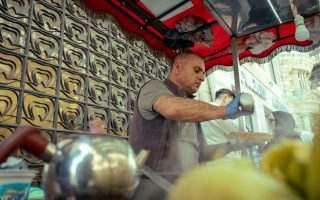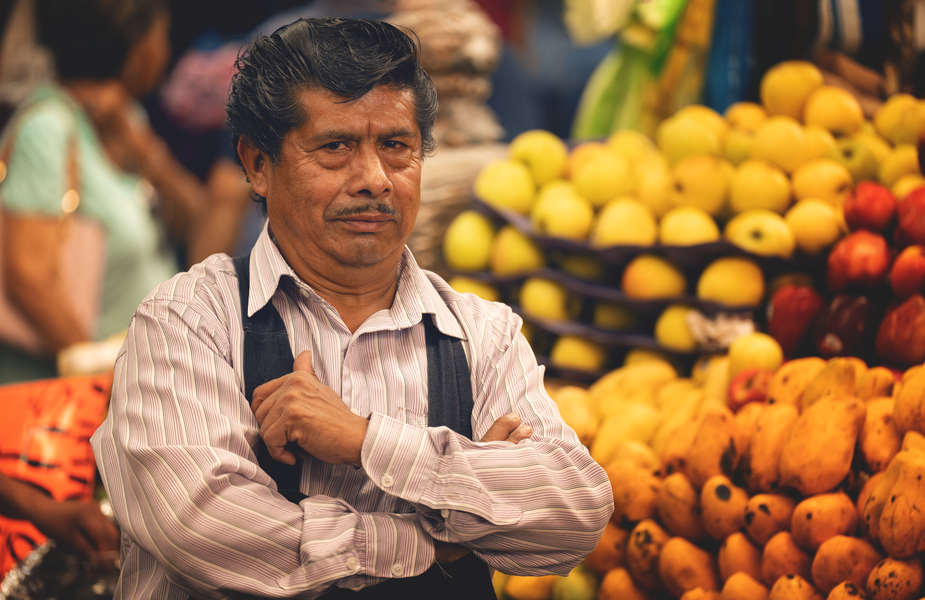
Roughly 60% of travelers to Mexico City report eating at least one street food meal per day, yet food-safety anxiety remains the single biggest reason tourists skip the city’s best markets. The irony? The vendors at Mercado de Coyoacán and Mercado de San Juan feed thousands of locals daily. If the food were dangerous, those markets would be empty by noon.
The real risks aren’t what most visitors think. It’s not the meat. It’s the ice, the unwashed cilantro, and choosing a stall with no customer rotation. This guide cuts through the noise. No affiliate links. No sponsored stalls. Just what you need to eat well and avoid the bathroom emergencies that ruin a trip.
Choose the Right Market for Your Experience Level
Not all markets in Mexico City are equal for beginners. Some are intense, crowded, and require fluent Spanish to navigate. Others are gentler, with clear signage and vendors used to tourists. Start with these three.
| Market | Best For | Must-Try Item | Typical Price (2026 MXN) | Crowd Level |
|---|---|---|---|---|
| Mercado de Coyoacán | First-timers, relaxed atmosphere | Tostadas de pulpo at Tostadas de Coyoacán | $45–$90 | Medium |
| Mercado de San Juan | Adventurous eaters, exotic proteins | Escamoles (ant larvae) tacos | $80–$150 | Low to medium |
| Mercado Medellín | Colonia Roma locals, less touristy | Colombian-style arepas and fresh juices | $30–$70 | Low |
| Tianguis de Condesa (Tuesday only) | Weekly street market, produce and prepared food | Tamales de rajas | $15–$35 | High |
Mercado de Coyoacán is the safest starting point. It’s semi-open, has seating areas, and many vendors display their food behind glass. You’ll see plenty of families and older couples eating there. That’s a good sign. If a market has no locals eating, skip it.
Mercado de San Juan is famous for exotic meats — crocodile, wild boar, insects. It’s cleaner and less chaotic than you’d expect. But it’s also pricier. Go here on your second or third day, after you’ve adjusted to the city’s pace.
What Makes a Stall Safe to Eat From
Forget Yelp reviews. Look at three things: customer turnover, oil color, and hand hygiene. A stall with a line of locals is almost always safe. Fresh oil is light golden. Dark, smoking oil means the food absorbs rancid compounds. And if the person handling money also touches tortillas without washing hands, walk away.
The Ordering Script Every Beginner Needs
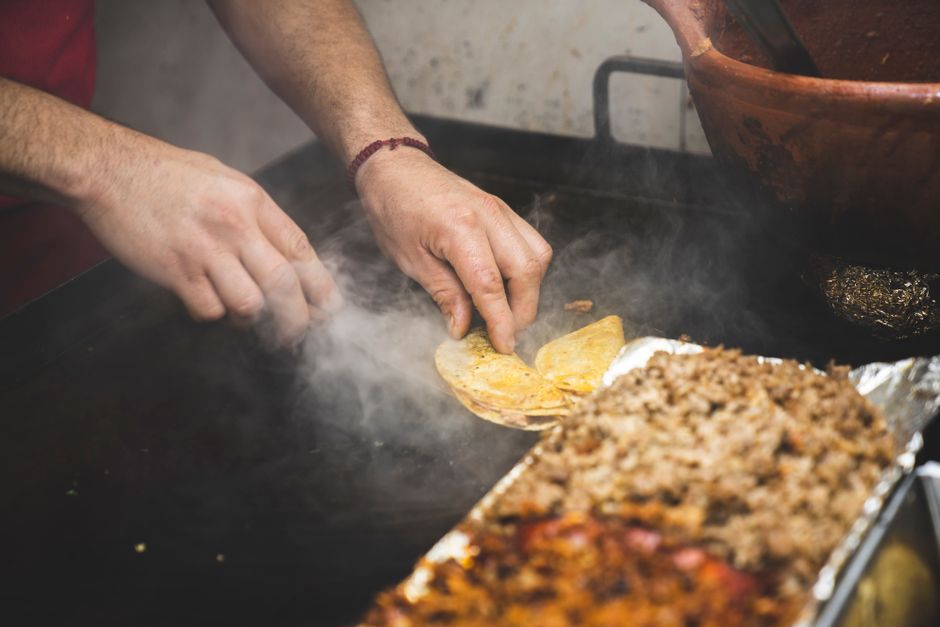
Most first-timers freeze up when ordering. They point, mumble, and end up with something they didn’t want. Here’s the fix.
Learn five phrases before you land:
- “Uno de pastor, por favor” — one al pastor taco
- “Sin cilantro, por favor” — no cilantro (crucial if you’re wary of unwashed herbs)
- “¿Con todo?” — with everything? (the taquero will ask you this)
- “Para llevar” — to go
- “¿Cuánto cuesta?” — how much does it cost?
Always ask the price before ordering. Some stalls have no posted menu. A taco should cost between $15 and $30 MXN in 2026. If someone quotes you $80 MXN for a single street taco, you’re being overcharged. Politely decline and move on.
Pay in cash. Small bills. A $500 MXN note for a $20 taco is annoying for vendors and marks you as a tourist. Carry coins and $20–$50 MXN bills specifically for market eating.
The Salsa Mistake to Avoid
The red salsa is often hotter than the green one. This isn’t universal, but it’s true often enough that beginners should start with green salsa and add heat gradually. One spoonful of a habanero-based red salsa can ruin your palate for the rest of the day.
What Actually Gets Travelers Sick
It’s not the meat. Most taco meat is cooked at high heat on a plancha or trompo, killing surface bacteria. The real culprits are:
- Ice in drinks — unless the vendor uses commercial ice bags, skip iced beverages. Ask for “sin hielo.”
- Unwashed produce — cilantro, lettuce, and raw onions are common garnish items. If you see a vendor washing produce with tap water, avoid that stall.
- Salsas sitting in the sun — salsa that’s been out for hours in warm temperatures is a bacterial breeding ground. Look for salsas that are freshly topped up or kept in a cooler.
- Your own hands — you’ve been touching pesos, handrails, and door handles. Carry hand sanitizer and use it before every meal. This single habit prevents more stomach issues than any food choice.
Pack Pepto-Bismol tablets and an oral rehydration solution like Suero Oral (available at any Farmacias Similares for about $15 MXN). If you do get mild traveler’s diarrhea, the fix is hydration and time. Most cases resolve within 24–48 hours without antibiotics.
Five Stalls Worth Seeking Out in 2026
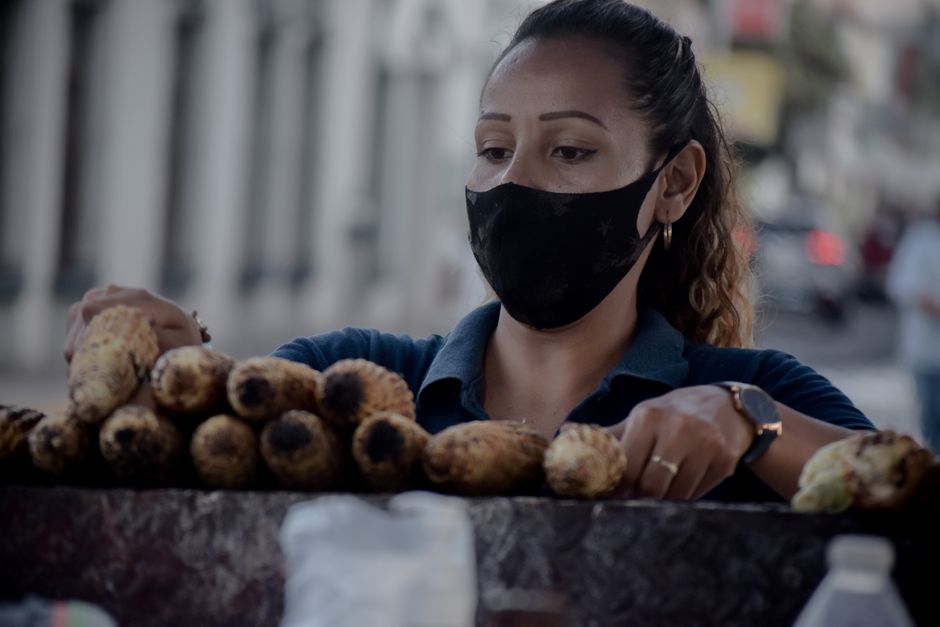
These are specific, established vendors with consistent quality. Not sponsored. Just places that have survived because they’re good.
- Tostadas de Coyoacán (Mercado de Coyoacán) — The tostada de pulpo comes piled with octopus, avocado, and a chipotle crema. Expect a 10–15 minute wait on weekends. $65 MXN.
- El Güero (Mercado de San Juan) — Known for escamoles and chapulines. If you want to try insects, this is the cleanest introduction. $90–$120 MXN per taco.
- Jugos Canadá (Mercado Medellín) — Fresh-squeezed juices in massive cups. The verde juice (nopal, pineapple, celery) is excellent and made with purified water. $35 MXN.
- Tamales Doña Emi (Tianguis de Condesa, Tuesdays) — Tamales de rajas con queso wrapped in banana leaves. She sells out by 1pm. $20 MXN.
- Taquería Los Parados (Roma Sur, near Mercado Medellín) — Al pastor sliced straight from the trompo. Ask for “con piña” to get the caramelized pineapple. $22 MXN per taco.
If you only try one thing from this entire guide, make it the al pastor at Los Parados. The pork is marinated in achiote and guajillo chiles, then slow-roasted vertically. The outer layer gets crispy while staying juicy inside. It’s the best $22 MXN you’ll spend in Mexico City.
When to Skip the Market Altogether
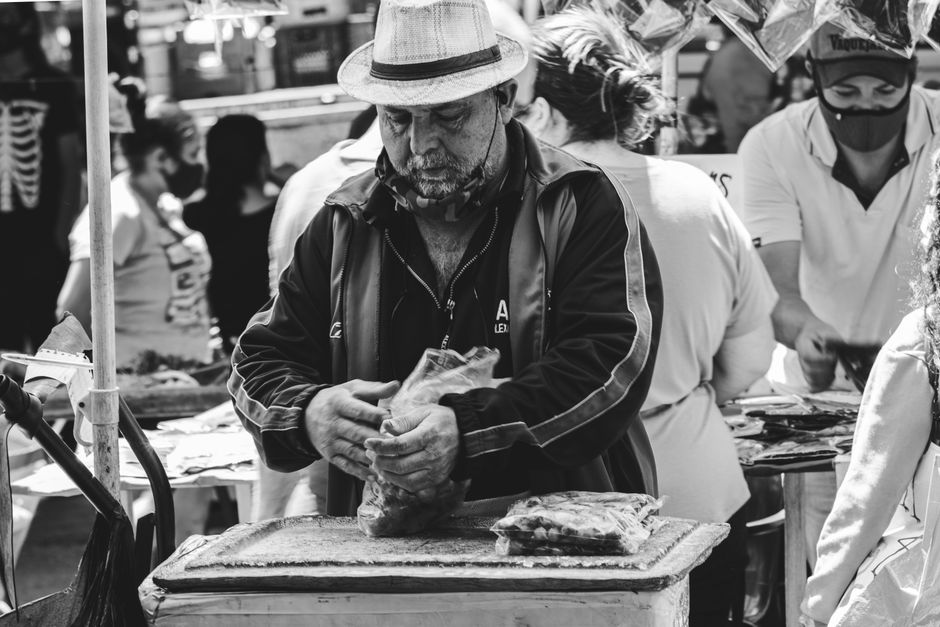
Street food markets are not the right choice for every traveler. If you have a compromised immune system, severe food allergies, or are traveling with very young children, the risk calculus changes. A bad case of food poisoning can derail an entire trip.
In that case, eat at established restaurants with enclosed kitchens. El Cardenal (Centro Histórico) serves traditional Mexican breakfast in a controlled environment. Contramar (Roma) does excellent seafood with strict food handling. You’ll pay more — expect $300–$600 MXN per person — but you get consistency and lower risk.
Also skip street markets on Mondays. Many stalls close, and the ones that stay open may be serving weekend leftovers. Tuesday through Sunday is prime market time, with Tuesday being the best day for tianguis (weekly street markets).
One more thing: don’t eat street food the night before a long flight. It’s not about the food quality. It’s about not wanting to deal with an upset stomach at 35,000 feet. Plan your adventurous eating for the middle of your trip, not the final 24 hours.