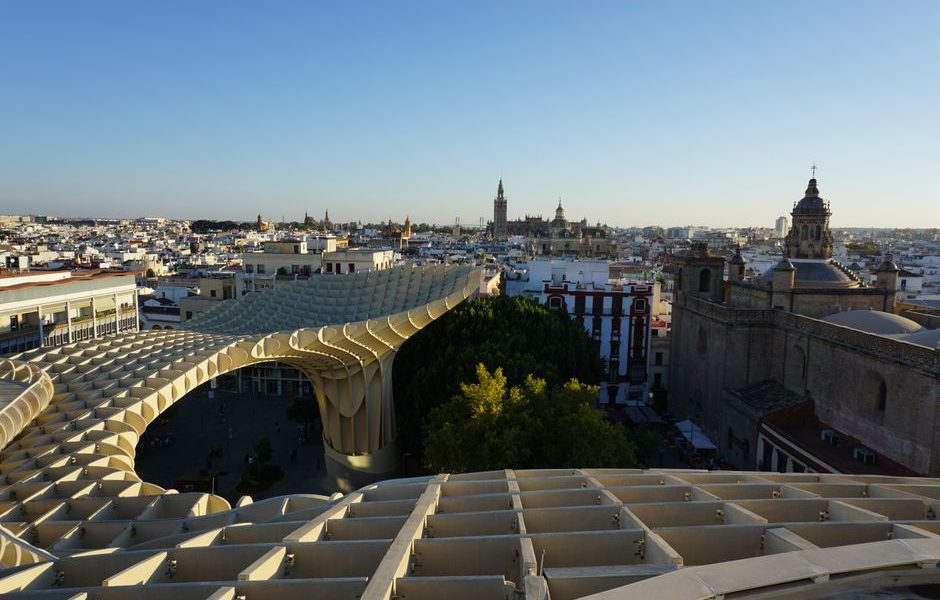
Spring is Seville’s most atmospheric season, but the timing matters. Visit before Semana Santa and you can combine orange-scented streets, open patios and long tapas evenings without paying the highest festival premiums.
The honest trade-off is simple: mild weather and strong local culture come with busy monuments, limited hotel inventory and a higher daily budget than winter.
Is spring in Seville worth visiting before Easter?
The actual draw
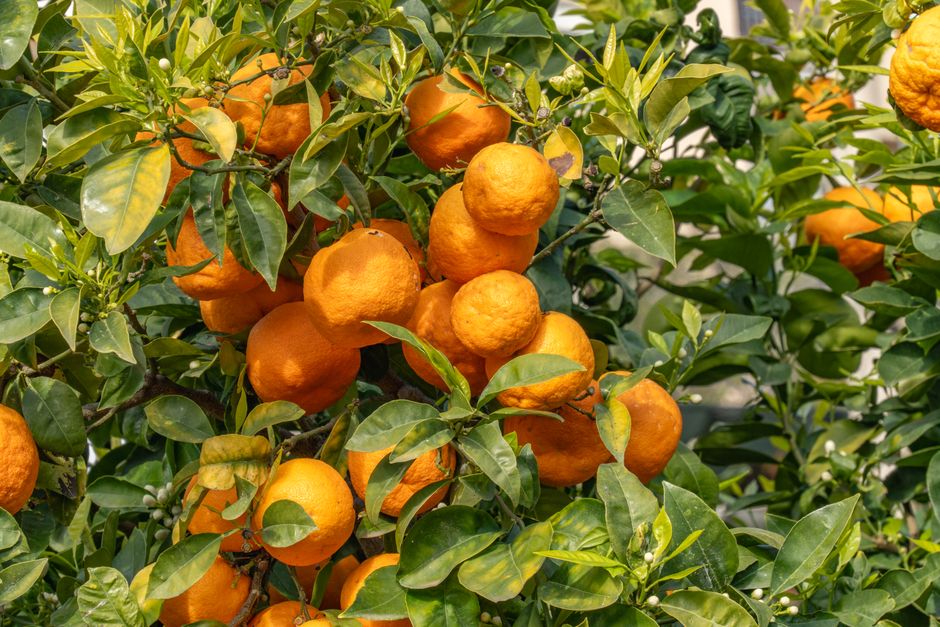
Yes. For most first-time visitors, the two weeks before Easter offer the best balance in Seville. Daytime temperatures often sit around 20–25°C, the evenings remain comfortable for walking, and bitter orange trees usually fill the historic centre with fragrance. The city feels active, but it has not yet reached the full pressure of Semana Santa crowds. You can still find a table at a neighbourhood bar, enter a patio without spending half a day in line, and cross the old town on foot without meeting a procession at every turn.
The honest verdict
Choose pre-Easter Seville if you want atmosphere with room to move. March is usually the better value month, while the first days of April bring stronger blossom and longer opening hours at some sights. The closer your dates fall to Palm Sunday, the more you should expect to pay for rooms and the more carefully you need to plan each route. The city is not a quiet spring escape at this point, but it is still easier than visiting during the main processions from 29 March to 5 April 2026. My pick is four nights from the Monday before Palm Sunday: enough time for culture, food and a slower morning in Triana.
When should you visit Seville in spring?
March, early April or Semana Santa?
Do not treat all spring dates as interchangeable. The week before Palm Sunday gives you the best mix of open restaurants, manageable queues and festival build-up. Semana Santa itself is a different trip: processions dominate the centre, some streets close without much warning, and hotel prices rise sharply.
| Travel window | What you get | Planning cost | Verdict |
|---|---|---|---|
| 1–20 March | Cooler mornings, fewer queues, early blossom | Rooms often €90–€180 | Best value |
| 21–28 March | Warmer days, festival preparation, busy weekends | Rooms often €120–€240 | Best balance |
| 29 March–5 April | Semana Santa processions and major crowd controls | Rooms often €180–€400+ | Best for festival devotees |
| 6–19 April | Patios opening, warm evenings, post-Easter recovery | Rooms often €110–€250 | Best alternative |
How far ahead should you book?
Book accommodation six to ten weeks ahead for the pre-Easter period and earlier for Semana Santa. Flight prices vary by departure city, but 2026 planning bands of €45–€150 one way on Vueling or Ryanair and €80–€180 on Iberia are reasonable starting points before bags and seat fees. These are budgeting ranges, not live quotes.
Bottom Line: choose 21–28 March for the strongest overall value. Pick Semana Santa only if the religious processions are the main reason for your trip.
Where should you see orange blossom and Seville’s patios?
The best blossom walk
Start at Puerta de Jerez and walk toward the Cathedral before the streets heat up. Orange trees line the lanes around the Archivo de Indias, Plaza de los Venerables and the lanes leading into Santa Cruz. The flowers are small, white and easy to miss if you rush, but the scent collects in enclosed streets and courtyards. From there, continue through Calle Vida and Calle Agua, then cross toward Plaza de Santa Cruz. This route takes about 60–90 minutes with stops and costs nothing.
Do not expect every orange tree to be in full bloom on the same day. Rain, wind and warm spells change the timing. A good practical test is to walk outside early: if the air smells sweet around the Cathedral, the season has started; if the branches are still mostly green, switch your focus to tiled courtyards and shaded plazas.
How patios actually work
Seville’s patios are working homes, historic palaces and cultural spaces, not one single attraction with one ticket. The Hospital de los Venerables and Casa de Pilatos are dependable choices for architecture, while Palacio de las Dueñas adds gardens and aristocratic interiors. Casa de Pilatos lists a ground-floor ticket at about €12 and an upper-floor supplement around €6, but prices and opening rules can change. Check the official venue page before leaving your hotel.
For a lower-cost afternoon, walk Santa Cruz, enter public courtyards when doors are open, and spend time in the Casa de la Provincia or Centro de Interpretación Judería if their schedules fit. The winning strategy is not collecting every patio. It is pairing one paid palace with two free neighbourhood walks, then taking a long shaded break before dinner.
How should you handle Semana Santa crowds?

Four rules that prevent avoidable frustration
- Book the route, not just the monument. The Cathedral, Giralda and Real Alcázar sit close together, but processions can block the shortest streets. Leave at least 30 minutes between a timed entry and your next plan.
- Walk before noon. Morning is the safest period for Santa Cruz, the Cathedral area and the riverfront. By late afternoon, crowd density rises and buses may use temporary routes.
- Carry small cash. Bars and public toilets are easier with €5 and €10 notes, while packed streets make card readers slower and phone signals less reliable.
- Accept that plans will break. A procession may stop traffic, change access to a plaza or hold a crowd in place for 20 minutes. Treat the detour as part of the day, not a reason to keep forcing the original route.
What should you avoid?
Do not book a hotel beside the Cathedral and assume its central location guarantees convenience. During Semana Santa, central streets can become the least convenient place to cross. Avoid stacking three timed attractions on a procession day, and do not rely on a taxi for a short trip across the old town. The city’s official 2026 mobility information lists special transport arrangements from 29 March to 5 April, so check the current municipal notices before travelling.
The clear choice
For culture without constant crowd management, stay outside the core procession corridors and visit before Palm Sunday. For the full spectacle, accept the disruption and plan one major sight per morning.
What is the best three-day pre-Easter itinerary?
Day one: old Seville before the heat
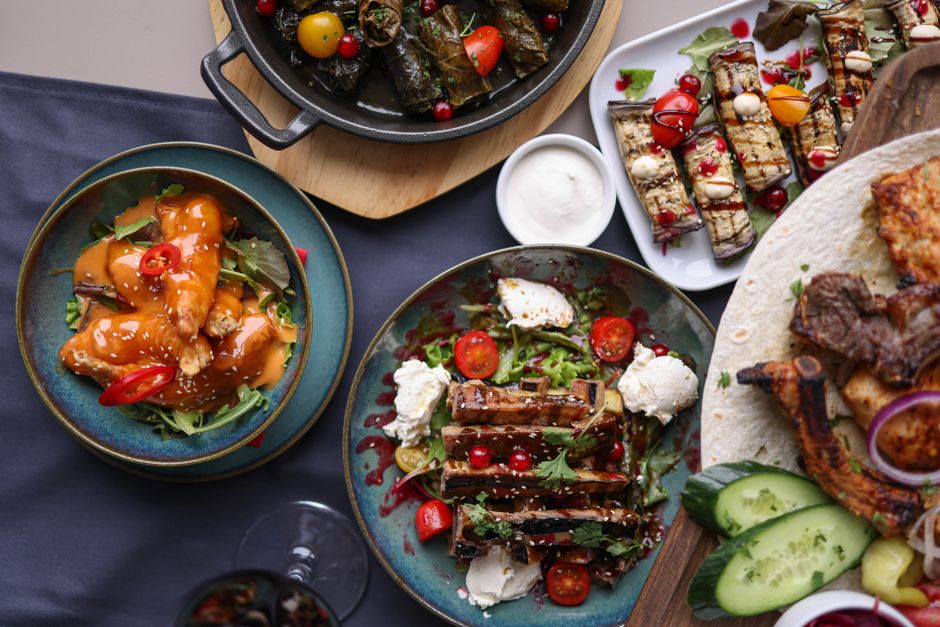
Begin at the Cathedral and Giralda when doors open, then walk to the Real Alcázar. Allow two to three hours for the palace and gardens rather than treating it as a quick photo stop. Official Alcázar opening hours shift by season, and April visits normally have longer daytime access, so confirm the slot before booking. After lunch, rest during the hottest part of the afternoon. Return through Santa Cruz at sunset and eat tapas near Calle Mateos Gago, but walk one street away from the busiest terraces before choosing a table.
Day two: patios, Triana and a slower dinner
Spend the morning at Casa de Pilatos or Palacio de las Dueñas, then walk through the smaller lanes around the old Jewish quarter. Cross the Puente de Isabel II after lunch and explore Triana’s ceramic history, market and riverfront. The Mercado de Triana is better for browsing and casual bites than for a formal meal. In the evening, choose a small route of two or three bars rather than booking one expensive tasting menu. This day works best with no more than one timed attraction.
Day three: Plaza de España and the local rhythm
Visit Plaza de España early, continue through Parque de María Luisa and then head toward the university and San Bernardo. Save the late afternoon for a café, a flamenco performance or a second patio visit. If you are travelling during Semana Santa, replace the evening restaurant reservation with a flexible walking plan. A procession may make the original address unreachable, while an open schedule lets you follow the atmosphere without rushing.
Which spring Seville plan fits your trip?
The comparison
There is a clear winner for each kind of traveller. Families and first-time visitors usually get more from the week before Easter than from the festival itself. Photographers should choose early April for blossom and longer light. Devout visitors or anyone specifically interested in Spanish religious culture should accept Semana Santa’s costs and crowd controls.
| Your priority | Best dates | Daily budget for two | Best approach |
|---|---|---|---|
| Value and relaxed sightseeing | 1–20 March | €170–€260 | Book a central room and walk early |
| Orange blossom and patios | 21 March–19 April | €220–€360 | Reserve major sights and leave afternoons open |
| Semana Santa processions | 29 March–5 April 2026 | €350–€650+ | Stay flexible and expect closures |
| Feria atmosphere | 20–26 April 2026 | €300–€600+ | Check transport and accommodation early |
Bottom Line
For most travellers, spring in Seville is worth the trip, but the best value sits just before Easter or in the week after it. Choose 21–28 March for the strongest mix of blossom, patios, open restaurants and manageable crowds. Choose Semana Santa only when the processions justify the extra money and lost flexibility. The city’s appeal is not one landmark; it is the combination of scent, shade, tiled courtyards and a meal that lasts longer than planned.