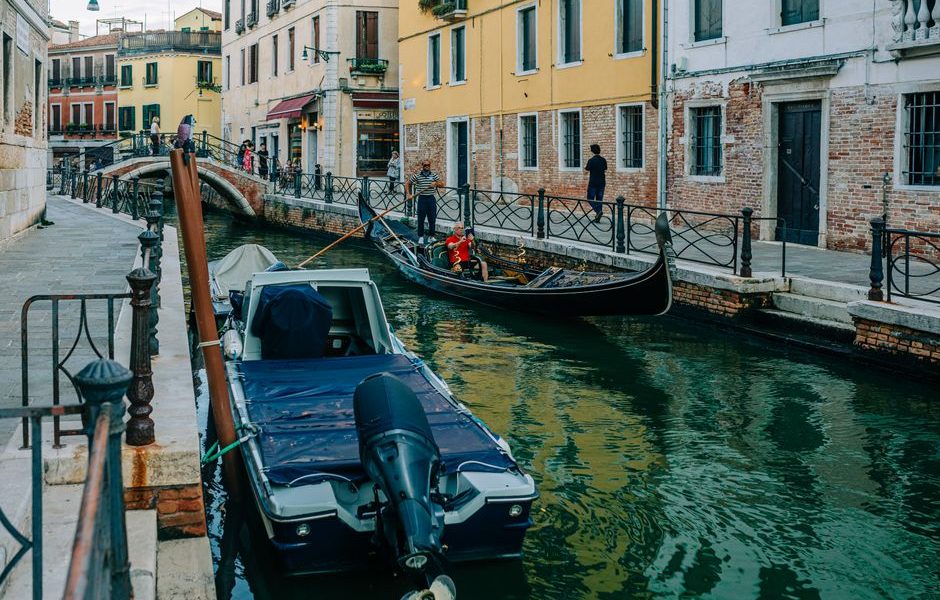
The best Venice Carnival trip is a short, planned visit built around one or two major events, not an attempt to see everything. The 2026 edition runs from January 31 to February 17, with the largest crowds around the opening weekend, the final weekend, and Shrove Tuesday. Book accommodation early, expect slow movement through the busiest lanes, and leave room for quiet districts away from St. Mark’s Square.
What Venice Carnival is really like
Venice Carnival is less like one parade and more like a city-wide festival. Costumed visitors pose in squares, street performers appear in different districts, and formal balls sit alongside free outdoor shows. The atmosphere changes by hour. Early morning is calm enough for photographs. By late morning, the lanes around St. Mark’s Square, Rialto Bridge, and the waterfront can become a slow-moving mass of people.
Why the masks matter
The mask is not just a souvenir. Historically, it allowed people to move through Venetian society without showing rank or identity. Modern visitors use masks for photographs, but the strongest visual moments come from people who treat the costume as part of a character. A simple bauta, tabarro, or richly decorated face mask can make an ordinary walk feel like a performance. You do not need a full costume to take part, and many visitors wear only a mask for an hour or two.
What a normal day feels like
Expect noise, narrow walkways, queues, damp winter weather, and frequent changes to pedestrian flow. St. Mark’s Square is the obvious centre, but it is not always the most enjoyable place to spend the whole day. Cannaregio, Dorsoduro, Castello, and parts of Santa Croce offer better space for wandering once the central routes fill up. The official calendar is useful, but the city itself supplies much of the experience through small performances, costume photography, and unplanned encounters.
The clear verdict: Venice Carnival suits travellers who enjoy atmosphere, visual culture, and walking without a strict schedule. It is a poor match for anyone who wants empty streets, predictable restaurant access, or a relaxed museum-only weekend.
Which Carnival dates are worth booking?
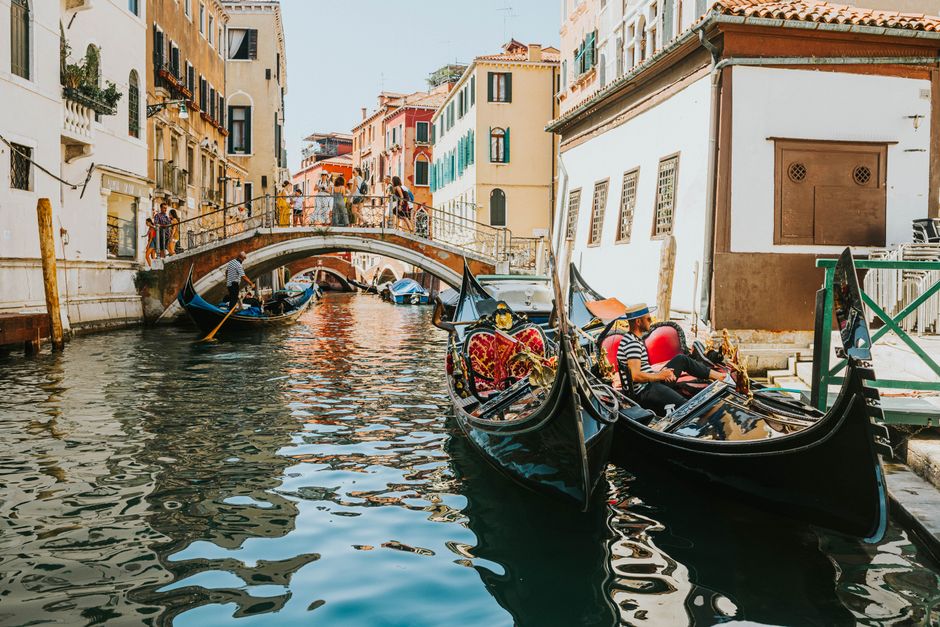
The most expensive dates are not automatically the best dates. The opening weekend delivers the strongest launch energy, while the closing days bring the biggest sense of spectacle. Midweek dates are easier on the feet, easier on the budget, and often better for seeing masks without fighting through a crowd.
| 2026 date | Typical character | Best for | Main drawback |
|---|---|---|---|
| January 31–February 1 | Opening events and early street shows | First-time visitors who want the festival atmosphere | High accommodation demand |
| February 7–8 | Busy weekend programming | Visitors with only two days | Very crowded central routes |
| February 9–13 | Quieter weekday rhythm | Photographers, museum visits, and slower walks | Fewer headline moments |
| February 14–15 | Final major weekend | Travellers who want maximum costume activity | Higher room rates and packed squares |
| February 16–17 | Final celebrations and Shrove Tuesday | People seeking the closing atmosphere | Last-minute rooms can be costly |
When should you arrive?
Arrive before 9 a.m. if photographs matter. The light is softer, bridges are easier to cross, and costumed visitors are more willing to stop before the day becomes tiring. If your main goal is music or evening entertainment, arrive later and spend the afternoon in a less crowded district.
Which dates offer the best value?
The weekday stretch from February 9 to 13 is the practical sweet spot in 2026. It still sat inside the official festival period, but it avoided the sharpest weekend demand. For a future edition, use the same rule: choose a Tuesday, Wednesday, or Thursday, then check the event calendar before paying a premium for a Saturday room.
Bottom Line: Book the opening or closing weekend for spectacle. Choose a midweek date for the best balance of access, space, and cost.
How to plan one efficient Carnival day
The smartest itinerary protects your energy. Venice looks compact on a map, but bridges, crowds, waterbus queues, and dead-end lanes make every crossing slower than expected.
- Start early. Walk through St. Mark’s Square and the nearby waterfront before 10 a.m. Photograph costumes while the light is clean and the pedestrian flow is manageable.
- Choose one anchor event. Pick a parade, street performance, workshop, or booked show. Do not build a day around six events in different parts of the lagoon.
- Leave the centre at midday. Eat or wander in Cannaregio, Dorsoduro, or Castello. These areas still feel Venetian but give you more room to stop.
- Keep one unplanned hour. Some of the best costume photographs happen beside a quiet canal rather than at a headline event.
- Return before the evening rush. If you have a formal dinner or ticketed show, leave at least 45 minutes for a journey that would take 20 minutes on a normal day.
How to avoid an exhausting route
Plan by neighbourhood, not by attraction popularity. Group St. Mark’s Basilica, the Doge’s Palace, and the waterfront together. Group the Accademia area, Zattere, and Dorsoduro on another block. Crossing back and forth over the Grand Canal wastes time and places you in the densest queues.
What to carry
Wear shoes with firm soles and good grip. Bring a small water bottle, a portable phone battery, and a thin waterproof layer. Large backpacks make crowded lanes harder for everyone and may be refused at some venues. Keep valuables in a zipped inner pocket because distraction, not darkness, creates the main theft risk in dense pedestrian crowds.
Should you buy a Venetian mask or rent a costume?
Handmade papier-mâché is worth paying for when you want a mask that feels connected to Venetian craft and can survive the journey home. It is not worth paying for if you only want one photograph and do not care about materials, fit, or finish. Cheap plastic masks can look fine in a picture, but they often sit badly on the face and lose paint at the edges.
What to buy
Ca’ Macana’s online catalogue listed examples such as a Bauta Mask at €47, Bauta Mask Betty at €69, and Bautino Mask Roby at €107. These prices show the gap between a basic handmade mask and a more detailed design. Atelier Marega focuses on handmade masks, historical clothing, and costume accessories. La Bauta is another established Venetian mask maker with traditional designs. Look for a clear material description, a local workshop address, and a finish that does not look mass-produced.
When renting makes more sense
Rent a costume for a formal ball, a professional photo session, or a planned evening when the clothing is part of the event. Renting is usually wasteful for a casual daytime walk because long coats, hats, and elaborate skirts become awkward on bridges and crowded boats. A mask plus a dark coat is the better choice for most visitors. Ask how deposits, return times, damage, and late fees work before changing clothes.
Do not wear a large feathered headpiece on a packed vaporetto. It blocks views, catches on people, and can turn a pleasant ride into a nuisance for everyone around you.
Bottom Line: Buy a modest handmade mask for daytime exploring. Rent a full costume only when a specific event makes the extra cost and inconvenience worthwhile.
Who should visit Venice Carnival, and who should skip it?
Visit if you enjoy public performance, historic settings, costume photography, and walking without needing every hour to run smoothly. The festival rewards curiosity. A quiet side street, a small workshop, or a stranger’s carefully made costume can matter as much as a headline show.
Best fit for a first visit
First-time visitors should choose two or three nights, one weekday if possible, and a hotel or apartment with a straightforward route from Santa Lucia station or Piazzale Roma. Stay close enough to return for a rest. That decision costs more than sleeping far outside the historic centre, but it saves energy and reduces the risk of missing an evening event because of a long transfer.
When not to choose Carnival
Skip the festival if your priority is empty photography locations, quiet restaurant meals, low room rates, or a slow art-focused trip. Visit Venice in late autumn or early spring instead. Those seasons offer more space and often a calmer rhythm, even though weather can still be uncertain. Also skip Carnival if you dislike dense crowds, stairs, cold damp air, or plans that change with street conditions.
The firm verdict is straightforward: choose Carnival for atmosphere, not convenience. Plan the date, sleep location, transport budget, and one main event before you arrive. After that, leave enough space for Venice to surprise you.