May is quieter, but it is not empty
The common misconception is that May gives you a deserted Amalfi Coast with guaranteed sunshine. It does not. May is the smart middle ground: warmer water, longer days, open restaurants, and fewer day-tripper bottlenecks than June through August. It is still busy around Positano, Amalfi, and the Path of the Gods, especially from late morning onward.
The real advantage comes from timing. Arrive at a waterfront town before 9 a.m., eat lunch before noon, and move between towns by ferry instead of joining the road traffic. You will still see visitors, but you will avoid the thickest crowds that form when cruise passengers and organised buses arrive.
What the coast feels like in early May
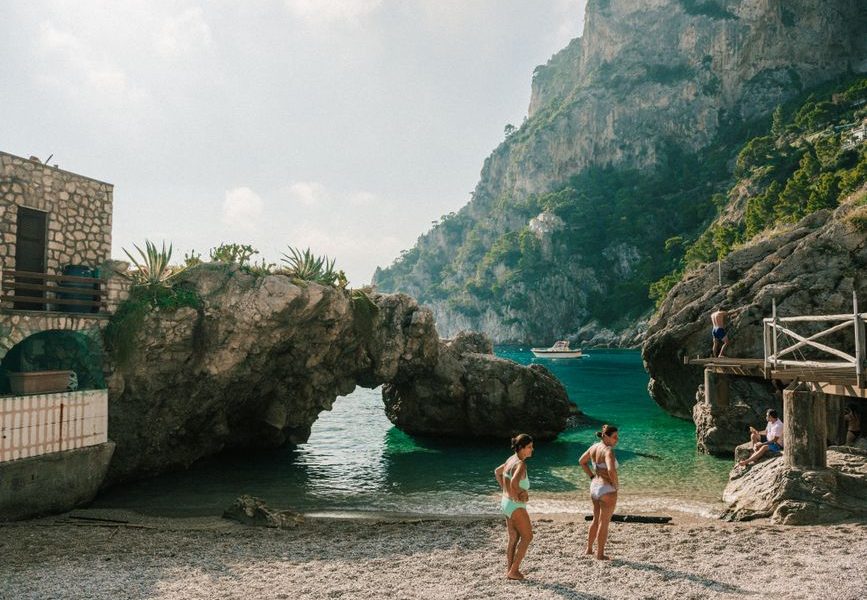
Early May can bring cool evenings, cloudy mornings, and occasional rain. The sea may look inviting, but swimming depends on your tolerance for cold water. Beach clubs often open gradually rather than all at once. Some smaller restaurants also operate on shorter schedules, so check opening hours before building your day around one famous lunch spot.
What changes by late May
Late May feels closer to summer. Ferries run more often, beach terraces look livelier, and hotel prices rise around weekends. The coast remains easier than July, but the phrase “no crowds” no longer fits. Book your main accommodation and any popular boat trip in advance.
Verdict: May is the best month for travellers who want the Amalfi Coast’s scenery and services without accepting peak-season heat and road chaos.
Amalfi Coast weather in May: Pack for two seasons
| Travel period | Typical daytime plan | What to pack | Main risk |
|---|---|---|---|
| May 1–10 | Walks, towns, viewpoints, outdoor lunches | Light jacket, trousers, trainers, compact umbrella | Cool evenings and sudden rain |
| May 11–20 | Hiking, ferries, swimming if conditions suit | Layers, sun hat, swimwear, light rain shell | Cloudy mornings followed by strong sun |
| May 21–31 | Beach time, boat trips, long coastal days | Breathable clothes, sandals, sun cream, evening layer | Higher prices and busier weekends |
Plan around daylight rather than a weather app’s single daily symbol. A partly cloudy forecast can still produce excellent hiking conditions, while a bright morning can turn windy on the water. The coast’s steep terrain creates different conditions within a short distance. Amalfi may feel warm while Ravello is cooler, and a shaded staircase can stay damp after rain.
The practical clothing list
Bring shoes with a firm sole. Smooth fashion trainers are a poor choice on old stone stairs and the rocky sections of coastal trails. Pack one layer that blocks wind, one light waterproof shell, and clothing that dries quickly. A small day bag matters because large luggage becomes painful on stair-heavy streets.
When to plan the beach
Use the warmest, calmest day for a beach or boat outing. Keep museums, churches, shopping, and long lunches as your backup plan. This simple swap prevents one rainy afternoon from wrecking the trip.
Verdict: Pack for warm afternoons and cool, wet interruptions; travellers who bring only beach clothes are planning for an imaginary Amalfi Coast.
Where to stay: choose a base that matches your days
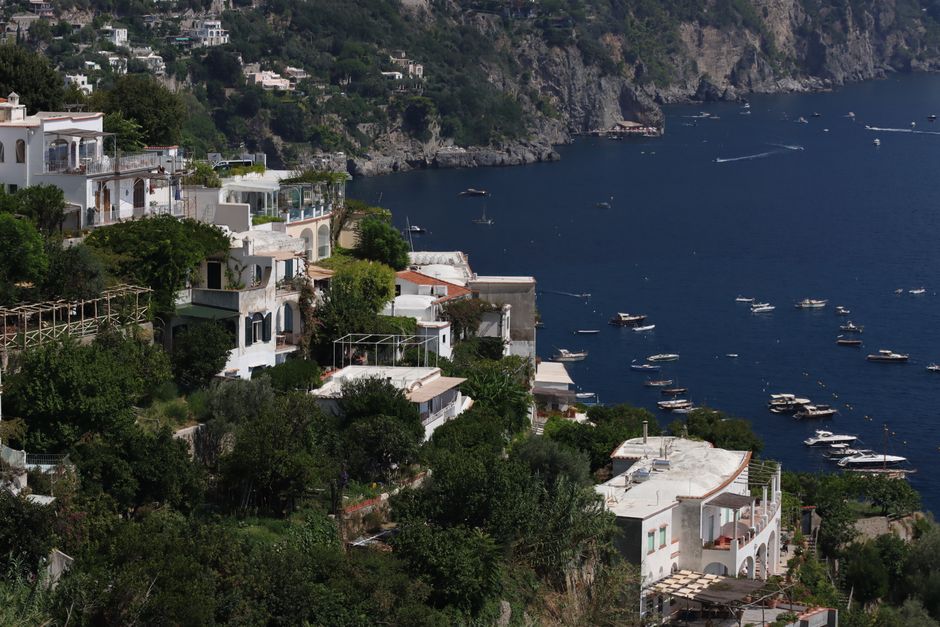
Positano is the famous choice, but it is not automatically the best one. The town is beautiful, vertical, expensive, and tiring with luggage. Rooms near the water can cost far more than rooms a few streets uphill, while porters and staircases add friction every time you arrive or leave.
Choose Amalfi for central access
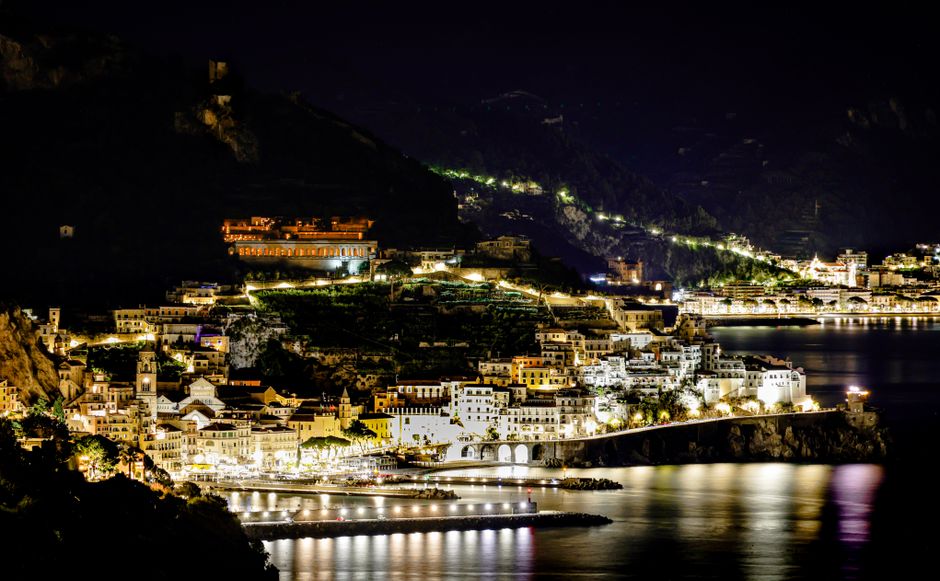
Amalfi is the strongest all-round base for a first visit. It has ferry connections, buses toward Ravello and Salerno, restaurants open into the evening, and a compact centre. You can reach Atrani on foot in minutes and use the town as a launch point for eastern and western day trips.
Choose Maiori for space and value
Maiori has a flatter waterfront, a longer beach, and a more practical feel. It lacks Positano’s dramatic vertical setting, but that is exactly why it works for families, longer stays, and travellers carrying luggage. The town is also useful for exploring Minori, Ravello, and Amalfi without paying Positano prices.
Choose Salerno for transport reliability
Salerno is the best base for a short trip built around public transport. The railway station, ferry pier, restaurants, and larger grocery shops sit close together. You lose some of the postcard atmosphere, but you gain simpler arrival and departure days. Staying in Salerno also makes Pompeii, Paestum, and Naples easier to add.
Stay in Positano only if the town itself is the main reason for the trip and your budget covers the premium. Stay in Ravello if views, gardens, and quiet evenings matter more than beach access.
Verdict: Pick Amalfi for the best balance, Maiori for comfort and value, and Salerno for the easiest logistics.
How to move around the coast without wasting half the day
The road is the problem. The famous SS163 is narrow, winding, and vulnerable to traffic, parked cars, roadworks, and delays. A taxi can solve one transfer but becomes expensive across several towns. In May, ferries are usually the best sightseeing choice when the sea is calm, while buses remain essential for places without a useful port.
Use ferries for the main coastal line
Travelmar’s 2026 fare sheet lists Salerno to Amalfi at €12 and Salerno to Positano at €17 for a full-price one-way ticket. The published routes also serve places such as Vietri, Cetara, Maiori, Minori, Atrani, and Praiano, with journey times varying by stop and connection. Check the official Travelmar 2026 fares before budgeting because schedules and prices can change.
NLG also runs seasonal routes linking Naples and the coast, including the Naples Beverello to Amalfi line. That can save a road transfer on arrival, but the service date and sailing time matter. Check the official NLG route page before relying on it.
Use buses for Ravello and hill towns
SITA Sud buses connect the coastal towns with Ravello, Agerola, Sorrento, and Salerno. Buy tickets before boarding where required, stand back from the busiest stops, and allow extra time. A bus that looks late may be full, delayed by traffic, or unable to stop safely.
Build a bad-weather backup
Ferries can stop in rough conditions. Keep one land-based day available for Ravello, Amalfi’s cathedral, Minori, or Salerno. Do not schedule your airport transfer around the last ferry of the day.
Verdict: Use ferries for scenic town-hopping, SITA Sud for hill villages, and a private transfer only when luggage or a fixed arrival time makes the extra cost worthwhile.
A three-day May itinerary that does not fight the crowds
- Day one: Amalfi and Atrani. Arrive early, walk through Amalfi’s historic centre, visit the cathedral, and take the short walk to Atrani before lunch. Spend the afternoon on a slow route toward Minori or return to Amalfi for a waterfront dinner. Keep the first day simple. Travel fatigue makes steep streets feel harder than they are.
- Day two: Positano and a short hike. Take the earliest practical ferry to Positano. Walk the upper streets before the main day-trip groups arrive, then descend toward the beach. In the afternoon, choose a manageable section of the Path of the Gods only if the forecast is dry and your shoes have real grip. The full trail requires planning around buses, trailheads, and return transport, so do not treat it as a casual stroll.
- Day three: Ravello and Maiori. Take the bus uphill to Ravello for Villa Rufolo, Villa Cimbrone, and the views. Return toward the coast and spend the later afternoon in Maiori or Minori. This gives you gardens, mountain scenery, and a flatter seaside finish instead of another day trapped on the busiest western road.
The timing rule that makes the itinerary work
Put the most popular town first each day. Positano at 8:30 a.m. is a different experience from Positano at 1 p.m. The same applies to Ravello’s viewpoints and the main streets of Amalfi.
The booking rule that prevents wasted days
Do not prepay every activity. Reserve accommodation and any must-do boat trip, then leave space for weather. A flexible itinerary is not vague; it is protection against cancelled sailings and wet trails.
Verdict: Three strong days should cover one major town, one hill destination, and one quieter eastern base rather than squeezing every village into a rushed checklist.