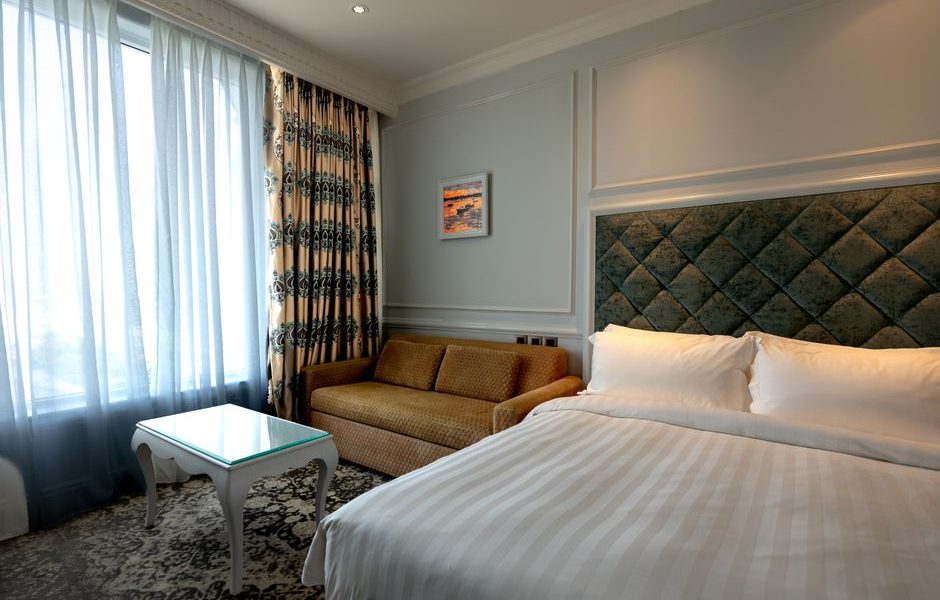
A boutique hotel in Paris can put you beside a museum, a market, or a noisy late-night street. The arrondissement matters more than the lobby photographs, so compare walking distance, transport, room size, noise, and total cost before you book.
What a boutique hotel in Paris should actually solve
The real product is a better daily base
A boutique hotel is not automatically a better hotel. Its value comes from solving a travel problem that a large chain may not solve as well: a strong neighbourhood feel, a smaller number of rooms, distinctive design, and staff who know the surrounding streets. That value disappears if you spend 45 minutes crossing Paris every morning or return to a room too small for your luggage.
Start with the shape of your days. A first-time visitor who wants the Louvre, Notre-Dame, the Seine, and Saint-Germain will save time in the 1st, 4th, 5th, or 6th arrondissement. A traveller who cares more about restaurants, wine bars, and nightlife may get better evenings in the 9th or 11th. Montmartre gives you atmosphere and views, but its steep streets make rolling luggage and late returns less pleasant.
Design cannot replace basic operating details
Check four facts before you fall for the decor: the room’s floor area, the bed dimensions, the lift situation, and the air-conditioning policy. Paris buildings often have narrow stairs and compact rooms. A hotel can look spacious in photographs while offering a 12-square-metre double room. Ask for a quiet rear-facing room if sleep matters, and confirm that the lift reaches your floor rather than stopping one level below.
My rule: choose the neighbourhood first, then the hotel. A beautiful room in the wrong arrondissement creates a transport bill and wasted time every day.
Paris arrondissement comparison: location beats lobby design
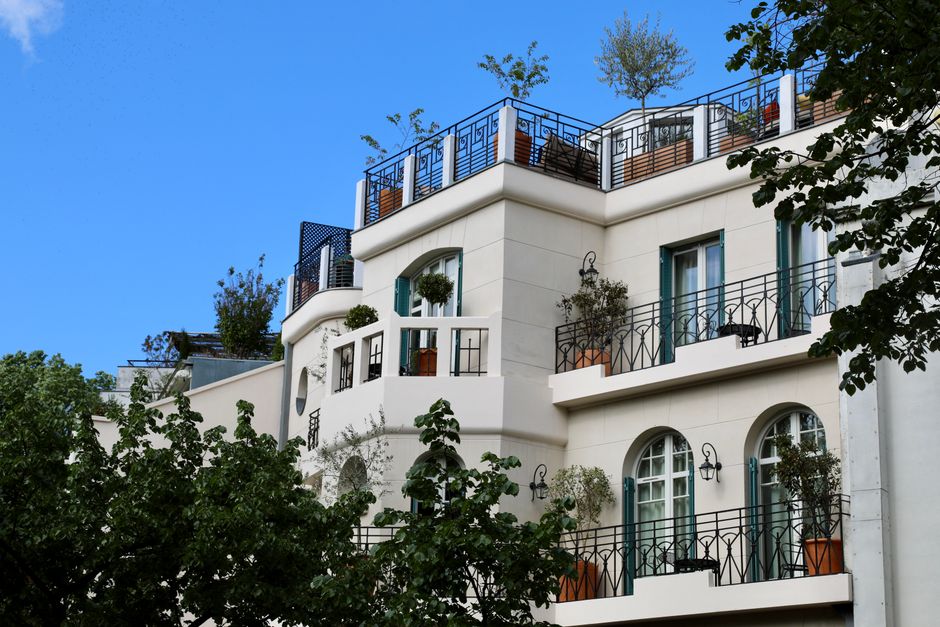
The table below compares seven useful bases for a boutique stay. These are neighbourhood tradeoffs, not promises that every street feels the same. Paris can change within two blocks, so check the exact address and the nearest Metro entrance.
For a four-night first visit, the 4th, 5th, or 6th gives the strongest walking base. For a repeat visit, the 9th or 11th offers more neighbourhood life. The 7th wins only when quiet evenings and monument access matter more than a dense restaurant scene.
How to choose an arrondissement in five checks
Use these checks before comparing room photos. They take less time than changing hotels after arrival.
- Map your three fixed points. Mark the sights, meeting places, or work addresses you will visit most. A hotel near one attraction is not useful if every other destination requires a long cross-town trip.
- Price the whole stay. Compare the room rate, breakfast, city tax, airport transfer, and Metro journeys. In 2026, a standard Paris Metro-Train-RER ticket costs €2.55, while the Paris Region airport ticket costs €14 each way. A cheaper outer location can lose its advantage after repeated transfers.
- Test the night-time return. Search the street name with terms such as bars, clubs, traffic, and construction. A lively 9th or 11th address can be excellent for dinner and poor for light sleepers. Ask for a rear-facing room, but do not assume one is available.
- Match the room to your luggage. For two adults with full-size suitcases, look for at least 15 square metres and a lift. If the hotel lists only bed size and not floor area, treat that omission as a warning and ask directly before paying.
The strongest booking is the one that passes all five checks, not the one with the most dramatic chandelier.
Which boutique hotels fit different Paris trip types?
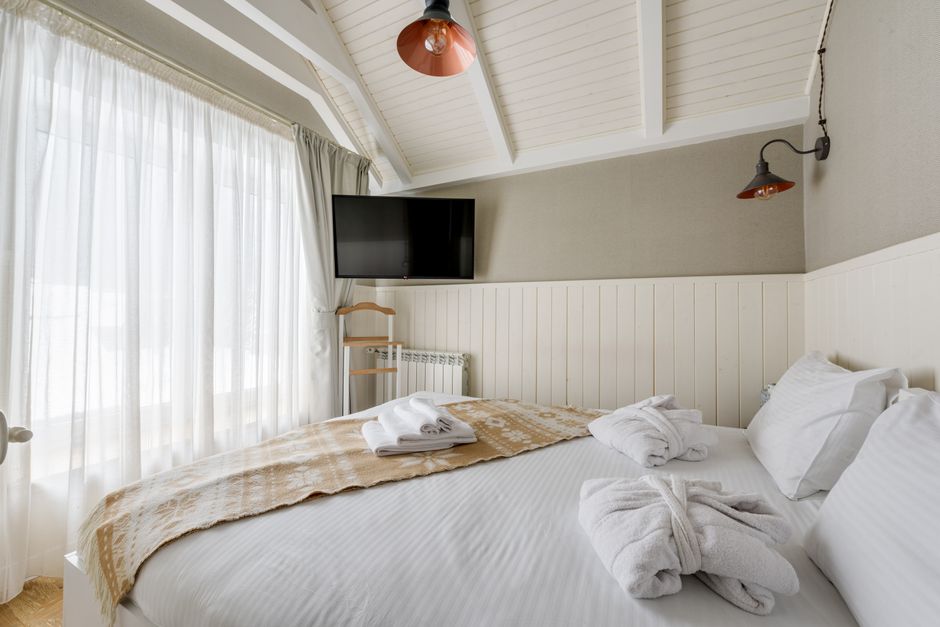
Specific hotels make the tradeoffs easier to see. Rates change by date, events, room type, and cancellation terms, so use the figures below as reference points rather than fixed quotes.
Best for a central historic stay: Hotel Caron de Beaumarchais
In the 4th arrondissement, Hotel Caron de Beaumarchais is a clear pick for travellers who want the Marais on their doorstep. The official site identifies it as a 3-star boutique hotel with air conditioning, an elevator, fibre Wi-Fi, and a strong 18th-century character. That range shows why checking several dates matters more than trusting a headline rate.
Choose it for atmosphere, museums, galleries, and easy evening walks. Do not choose it if you need a large room, a full-service restaurant, or guaranteed silence on a lively street.
Best value in the Latin Quarter: Hotel Collège de France
Hotel Collège de France in the 5th lists 29 rooms, air conditioning, a lift, 24-hour reception, and a buffet breakfast at €15 per person. Its official room rates start at €100 for a classic double, €120 for a superior room with balcony and shower, and €160 for a family room for up to five people. Those starting prices are unusually useful for travellers who want a central address without Saint-Germain pricing.
This is my value choice for a short sightseeing trip or a family that needs a published family-room option. The compromise is that some upper rooms require stairs after the lift, so confirm the floor plan if mobility is a concern.
Best for style and facilities: Hôtel Fabric
Hôtel Fabric in the 11th occupies a former textile workshop between République and Bastille. It has 33 rooms and 4-star facilities including air conditioning, 24-hour concierge service, room service, a fitness and wellness area, and an honesty bar. The industrial details and Oberkampf location make it the strongest choice for travellers who plan to spend as much time eating and drinking locally as they do visiting monuments.
Hôtel Panache is the better alternative for a 9th-arrondissement stay: it has 40 individually styled rooms near Grands Boulevards, plus family-room and junior-suite categories. Pick Panache for theatres, restaurants, and central Metro access; pick Fabric for a more residential, nightlife-led neighbourhood. For Saint-Germain, Hôtel Récamier wins on setting at Place Saint-Sulpice, but its polished location deserves a higher budget.
Mistakes that turn a charming stay into a bad booking
Paying for a postcard address
- Booking by landmark alone: A hotel advertised as near the Louvre may still sit on a loud commercial street or require a 15-minute walk to the nearest Metro.
- Ignoring floor area: A 12-square-metre room can work for one person and feel punishing for two adults with luggage. Ask for the exact size of the room category you will receive.
- Assuming boutique means quiet: Small design hotels often occupy old buildings on active streets. Request a rear-facing room and ask about current construction nearby.
- Choosing a non-refundable rate too early: Paris prices can move sharply around fashion events, school holidays, and major concerts. A flexible rate may cost more at checkout but protect you from an expensive date mistake.
- Forgetting the return journey: A €14 airport ticket is only one part of the trip. Add the time and cost of reaching the station with luggage, especially from a hotel on a steep or poorly connected street.
When not to book the most central option
Do not pay for the 1st, 4th, or 6th if your itinerary has no central focus and you plan to spend most evenings in the 9th, 11th, or 18th. A slightly less central boutique hotel can give you a better room, more food choices nearby, and a more relaxed return after dinner. The right Paris booking is the address that supports your actual days, not the one that looks most impressive in a search result.