Want a summer break that feels close to nature without sleeping on a thin mat in a wet field? The right UK glamping or eco-lodge stay can give you a real bed, a private shower and a smaller environmental footprint, but the label alone does not guarantee any of those things. Use the checks below before you book.
What makes a UK glamping stay genuinely eco-friendly?
Start with the site, not the Instagram photos
“Eco” has no single holiday standard in the UK. A canvas tent beside a car park may use less concrete than a large lodge, but that does not tell you how it handles heating, hot water, waste or transport. Look for clear information about renewable electricity, low-energy lighting, water-saving fittings, recycling, composting and local suppliers. A site that explains its systems in plain language earns more trust than one that simply repeats words such as green, natural and sustainable.
Ask how guests reach the accommodation, too. A remote pod that requires a long drive may have a larger overall footprint than a simple cabin near a railway station. The accommodation itself is only one part of the trip.
Check what “off-grid” means in practice
Off-grid can mean solar panels, bottled gas, a composting toilet and limited hot water. It can also mean a generator, weak mobile reception and no mains-powered heating. Neither option is automatically right or wrong, but the booking page should tell you what to expect. For a summer stay, confirm whether the shower has continuous hot water, whether the fridge runs overnight and how the site deals with cloudy weather when solar output falls.
Wood-fired hot tubs also need a closer look. They can feel low-impact when the wood comes from a local managed source, but they still use fuel and water. Ask if heating the tub is included, how long it takes and whether the site supplies certified firewood.
Use three questions before paying
Ask the owner: “What do you recycle or compost on site?”, “How is hot water heated?”, and “What happens to wastewater?” The answers will reveal more than a green logo. My pick for a credible eco stay is a small site that publishes practical details and admits its limits. No lodge has zero impact, and honest limits are a stronger trust signal than perfect-sounding claims.
How should you choose the right UK glamping format?
Choose the structure around the way you actually spend a day outdoors. A yurt, pod, safari tent and timber lodge solve different problems, and the wrong choice can turn a relaxing break into a series of small annoyances.
- Choose a pod if weather protection, electricity and a compact private space matter most. Pods usually work well for couples who plan day trips and want a reliable base at night.
- Choose a yurt if you want a stronger camping feel with more interior space. Check the heating method, bed height and distance to the bathroom before booking.
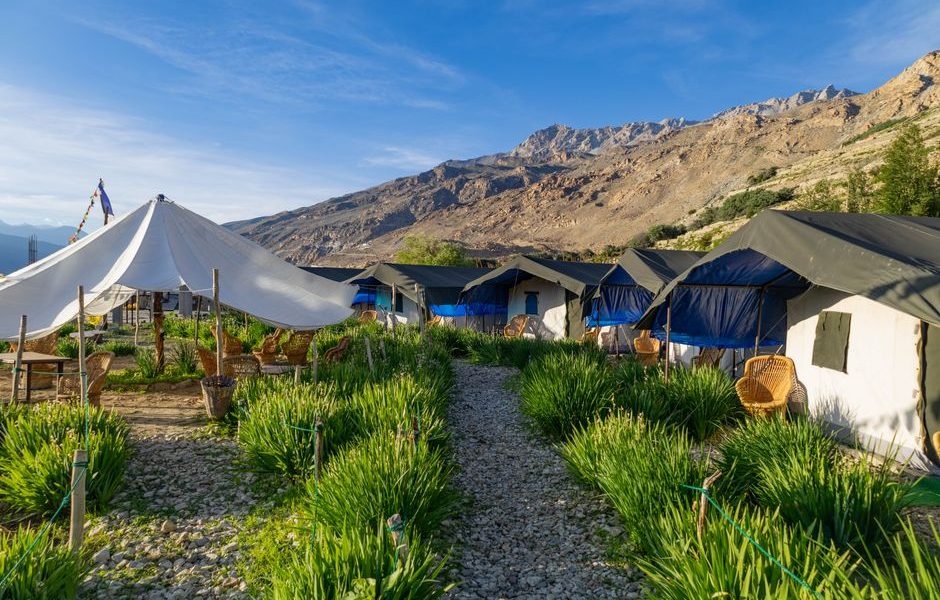
- Choose a safari tent for families or groups who want separate sleeping areas and an outdoor cooking setup. Confirm whether bedding, cookware and towels are included.
- Choose a timber lodge if you want a proper kitchen, indoor plumbing and easier access for guests who dislike uneven ground. The trade-off is usually a higher price and a greater risk of feeling like a standard holiday cottage.
- Choose a dome for views and a memorable setting, but check summer ventilation. A transparent roof can turn the sleeping area into a greenhouse on a sunny afternoon.
Match comfort to the people travelling
For a couple seeking quiet, a private yurt with its own shower can feel more special than a large lodge in a busy holiday park. For children, a safe outdoor area, a usable kitchen and a short walk to the toilet matter more than a roll-top bath. For older travellers, ask about steps, parking and the distance between the accommodation and shared facilities.
Match the stay to your planned activities
If you want coastal walks, select a base within 30 minutes of the beach rather than paying for a remote hot tub you will barely use. If the aim is to stay on site, pay for privacy, comfortable seating and a kitchen that can handle real meals. Get at least three live quotes for similar dates before booking; a low nightly rate can disappear once cleaning charges, dog fees, bedding and minimum stays are added.
Which UK glamping and eco-lodge stays offer clear value?
Prices vary by date, occupancy, school holidays and minimum-stay rules, so treat the figures below as published guide prices rather than promises for every summer night. They are useful because each example shows a different version of value.
| Stay | Format | Published guide price | Best fit |
|---|---|---|---|
| The Dorset Hideaway | Yurt, dome or cabin | From £115, £145 or £150 per night | Couples wanting several comfort levels in one site |
| Lake District Woodland Pods | Woodland pod | £200 for one night or £480 for three nights, Sunday to Thursday, April–September 2026 | Walkers who want a fixed summer tariff |
| Bewl Water | Luxury yurt | From £100 off-peak or £135 peak per night; two-night minimum | London-area breaks with trails and water activities |
| Bagthorpe Farm | Bio-dome or timber cabin | Oyster Catcher from £95; Woodcock from £120 per night | Quiet farm stays near the North Norfolk coast |
| Hadrian’s Wall Country Yurts | Yurt with hot tub | From £387 midweek or £421 at weekends for two nights, up to four people | Small groups who want privacy and a fixed base |
My pick for a lower-cost couple’s escape
The Dorset Hideaway gives the clearest entry point because its published rates cover three formats: a yurt from £115, a dome from £145 and a cabin from £150 per night. That makes the choice easier to price. Pick the yurt if you want the strongest camping feel, the cabin if weather protection matters more, and the dome only if you value the view enough to accept warmer daytime temperatures.
My pick for a group of four
Hadrian’s Wall Country Yurts has the strongest price logic for four people when the group wants a private space and a hot tub. Its published two-night midweek rate of £387 works out at £48.38 per person per night before travel and food. The site also states that removing the hot tub reduces the price by £50, which is useful if the feature is not part of your plan. For a solo traveller or couple, that same booking is less compelling because the fixed price is shared across fewer people.
How do you plan a three-night summer glamping escape?
A good glamping trip needs less luggage than camping, but it still rewards a simple plan. The biggest mistakes happen when guests assume that a pretty site automatically provides cooking equipment, warm bedding and dry storage.
Use this booking and packing sequence
- Confirm the tariff. Check the exact dates, arrival time, cleaning fee, deposit, minimum stay, dog charge and cancellation terms. Save a screenshot of the total price.
- Check the weather exposure. Ask about shade, ventilation, heating, muddy access and indoor seating. A July heatwave changes the value of a glass dome.
- Plan two meals in advance. Bring breakfast and one easy dinner, then find a local pub, farm shop or café for the other meals. This reduces food waste and prevents a late supermarket drive.
- Pack the small essentials. Take torch batteries, a refillable bottle, waterproof shoes, a light sleeping layer, insect repellent, reusable food containers and a power bank if electricity is limited.
- Build in one local day. Pick a walk, beach, market or heritage site within 30 minutes. A nearby plan gives the stay structure without turning it into a rushed road trip.
A simple three-night rhythm
Use the first afternoon to arrive, unpack food and learn the heating or cooking system. Spend the second day on the main outdoor activity, then keep the evening free for the fire pit or hot tub. Make the third day slower: visit a local producer, take a short walk and leave enough time to clean the kitchen and check the departure rules. That rhythm gives you the benefits of a rural escape without spending every hour in the car.
When should you avoid glamping and book a conventional lodge?
Skip the tent when basic certainty matters
Do not book a yurt, safari tent or dome if anyone travelling needs step-free access, a private indoor bathroom, dependable heating or a fully equipped kitchen, unless the site confirms each point in writing; summer rain, cold nights, insects, shared toilets and uneven paths can turn a romantic idea into an uncomfortable stay, and a conventional lodge or self-catering cottage is the better purchase when reliable facilities matter more than the setting.
Choose a lodge when the itinerary is weather-sensitive
A conventional lodge also wins when your trip includes young children, older relatives, complex cooking, medical equipment or long periods indoors, because solid walls, storage and predictable electricity have practical value that a lower-impact tent cannot replace; the clear verdict is simple: choose glamping for outdoor connection and a compact escape, but choose a standard lodge when comfort, access and bad-weather resilience are the main reason for travelling.