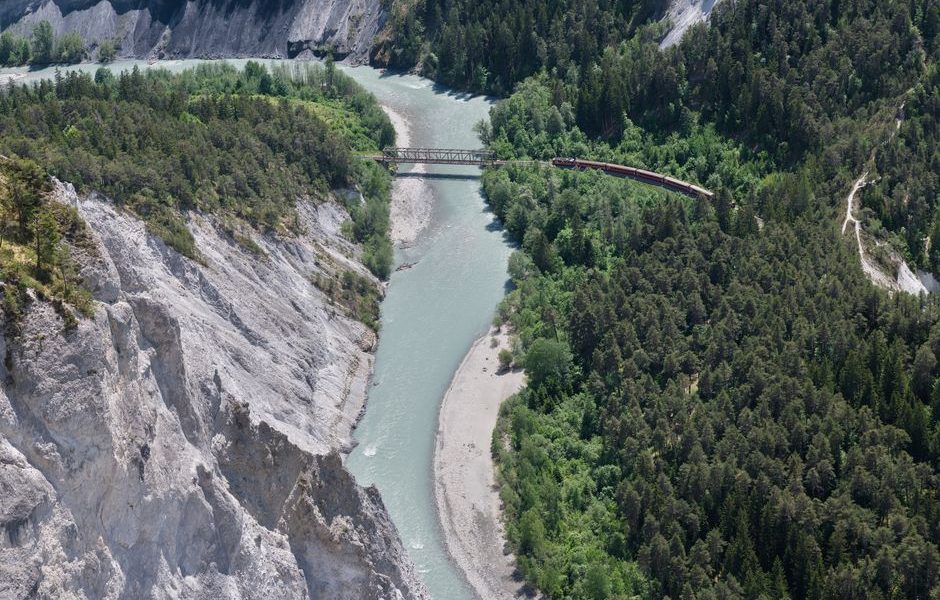
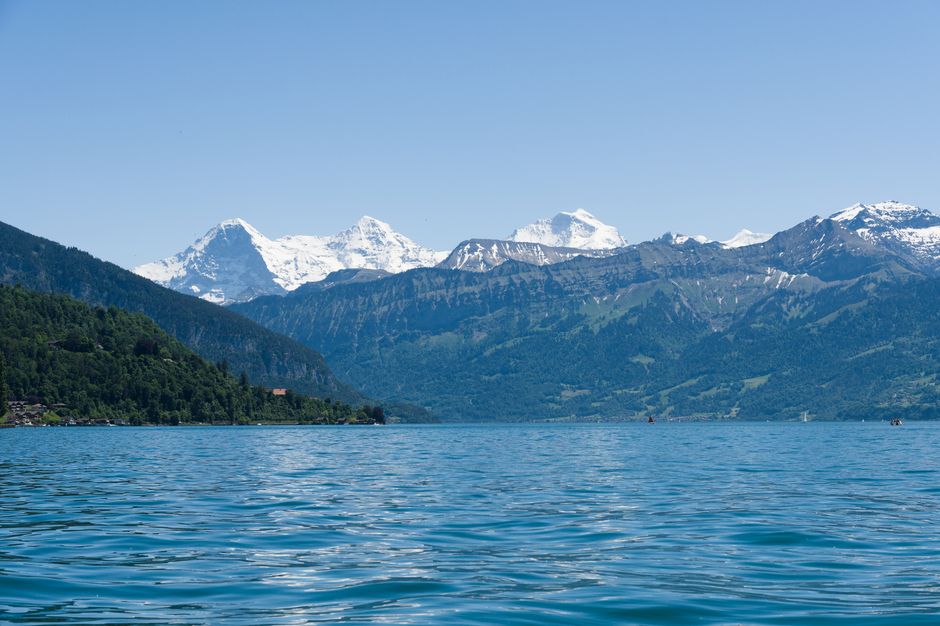
Summer in the Swiss Alps works best when you stop trying to see everything. Pick a lake, take a train, ride one mountain railway and walk a trail that ends before dinner. That simple rhythm gives you the views without turning the holiday into a transport competition.
The best Swiss Alps summer trip is a route, not a checklist
Choose two bases, not six
Two bases beat six hotel changes. Stay around Lucerne for Lake Lucerne, Rigi and Pilatus, then move to Interlaken for the Bernese Oberland. Add Zermatt only if the Matterhorn is the main reason you came. Each extra move costs half a day once you include packing, station transfers and check-in.
Lucerne gives you a compact first base with a real lake, a walkable old town and direct trains to mountain excursions. Interlaken gives you access to Lake Thun, Lake Brienz, Lauterbrunnen, Grindelwald and Mürren. These places are busy in July and August, but the transport is frequent enough to make early starts practical.
Plan around the weather, not the calendar
Mountain weather changes faster than the forecast shown at breakfast. Keep your high-altitude walk on the clearest day and use a lake boat, museum or lower valley walk when cloud covers the ridges. In July and August, start exposed trails before 9 a.m. The light is better, the paths are quieter and thunderstorms are less likely to catch you above the tree line.
The clear verdict is simple: build a flexible route with one outdoor priority per day. The Swiss Alps reward spare time. They punish frantic scheduling.
Swiss Travel Pass vs Half Fare Card: which saves money?
The 2026 price comparison
For visitors using public transport every day, the Swiss Travel Pass is the easiest choice. For travellers staying in one region or taking only a few long journeys, the Swiss Half Fare Card usually costs less. These are not interchangeable products, and the cheaper ticket is not always the better trip.
| Product | 2026 adult price | Best for | Main catch |
|---|---|---|---|
| Swiss Travel Pass | CHF 254 for 3 consecutive days in 2nd class | Frequent train, bus and boat travel across Switzerland | Expensive if you spend days in one village |
| Swiss Travel Pass Flex | CHF 289 for 3 travel days within one month in 2nd class | Long-distance travel on separate days | Travel days must be activated correctly |
| Swiss Half Fare Card | CHF 150 for one month | Several paid journeys plus mountain lifts | You still buy each ticket |
| SBB Mobile | Free app | Checking departures and buying point-to-point tickets | Does not replace a valid ticket or reservation |
My pick for a one-week trip
Choose the Swiss Travel Pass if you will move between Zurich, Lucerne, Interlaken and Zermatt, with a boat or mountain excursion on most days. Choose the Swiss Half Fare Card if you plan three or four major excursions from one base and do not mind buying tickets as you go. The Flex pass wins for a scattered itinerary with three very long travel days and several quiet days in between.
Do not buy a pass because Switzerland feels expensive. Add your planned fares in the SBB Mobile app first. If the pass does not clearly beat the total, skip it.
Three easy mountain walks worth the train ride
Rigi Panorama Trail
Take the mountain railway to Rigi Kaltbad and walk toward Rigi Scheidegg on the panorama route. The full trail is roughly 6 kilometres and takes about 2 hours, with broad views over Lake Lucerne and the surrounding peaks. It is the best first mountain walk because the route stays high without demanding a summit climb. Use the railway for the ascent and descent, carry water and keep a jacket for the wind.
Zermatt Five Lakes Walk
The Five Lakes Walk starts near Blauherd at about 2,500 metres and passes Stellisee, Grindjisee, Grünsee, Moosjisee and Leisee before reaching Sunnegga. Allow around 2.5 hours, more if you stop for photos or a picnic. The path is manageable for confident walkers, but high altitude, exposed sun and uneven stones still matter. Do not treat the word easy as meaning flat or risk-free. Start early and check the mountain railway status before leaving Zermatt.
Lake Oeschinen above Kandersteg
Ride the gondola from Kandersteg and walk toward Lake Oeschinen. The direct route to the lake is short, while longer paths add viewpoints and steeper sections. The lake sits at roughly 1,578 metres and can still feel cool when the valley is hot. This is the strongest lake-and-mountain combination for travellers who want one dramatic view without committing to a full hiking day.
Skip these walks if you have a serious fear of heights, poor footwear or a forecast showing thunderstorms. A lower valley trail is a better holiday than a forced mountain day.
How to build a lake-train-walk day
The six-step formula
- Check the forecast at two elevations. Valley sunshine does not guarantee clear conditions at 2,000 metres.
- Choose one transport link, one walk and one fallback town. Do not stack three mountain lifts into the same day.
- Book the first departure you can reasonably catch. The quietest hour is usually worth more than the last hour of daylight.
- Pack lunch before reaching the trailhead. Mountain restaurants can be crowded, costly or closed during a weather interruption.
- Set a turnaround time before you start. If cloud, rain or fatigue arrives, follow the plan rather than negotiating with the mountain.
- Leave room for the return journey. Missing the final cable car can turn a gentle walk into a long and expensive descent.
The practical timing that works
Leave your hotel between 7:30 and 8:30 a.m., reach the trailhead by 9:30 or 10, walk for two to three hours, eat near the lake or viewpoint, then descend before the afternoon weather builds. Keep the late afternoon for a boat ride, town walk or café. That order matters. The mountain gets your energy first, and the lake gives you an easy finish.
The common mistake is planning by map distance alone. A 5-kilometre path can include a cable-car queue, a missed connection, 400 metres of climbing and a slow descent. Count transfers and elevation, not just kilometres.
Spend the money on flexibility, not luxury
My recommendation: buy second class and keep one weather day free. First class will not repair a bad itinerary, and a packed schedule makes the most beautiful region feel like an airport connection.
Where the extra budget actually helps
Spend on a room near the station, luggage storage, a good rain shell and one memorable mountain railway. Staying within five minutes of the station can save an hour every morning. A proper waterproof jacket matters more than a fashionable fleece because summer rain in the Alps arrives sideways and disappears just as quickly.
The Swiss Travel Pass is strongest when it removes friction from a multi-region route. The Swiss Travel Pass Flex is better when your long train days are separated by slow days in one village. The Swiss Half Fare Card is the value pick when you will pay for several mountain railways but do not need unlimited national travel.
When not to buy a national pass
Do not buy the Swiss Travel Pass for a four-night stay based in Interlaken with one trip to Lauterbrunnen and one trip to Grindelwald. A regional ticket plan can be cheaper. Do not buy the Swiss Half Fare Card for a short weekend with only local bus rides. The CHF 150 starting cost needs enough paid travel to recover it.
There is no prize for owning the most complicated ticket. The best pass is the one that matches your actual route, not the one that promises the longest list of benefits.
Swiss Alps summer questions, answered
Is July or August better for easy mountain walks?
July is usually the better choice for quieter trails and a slightly calmer feel, while August brings warmer valley weather and the busiest holiday crowds. Neither month guarantees clear mountain conditions. Choose the month that fits your accommodation budget, then keep your hiking dates flexible.
Can a beginner walk in the Swiss Alps?
Yes, if beginner means you can walk for two to three hours on uneven ground and handle a steady uphill section. Start with Rigi Kaltbad, a lower route around Lake Oeschinen or a signed trail above Mürren. Avoid exposed ridges, glacier paths and routes with no easy descent. Mountain signs measure terrain, not your confidence, so be honest about both.
Should I rent a car?
No, not for this trip. Trains, boats, buses and mountain railways connect the places that matter, and a car becomes a problem in car-free villages such as Mürren and Wengen. Driving can make sense for remote valleys or a longer road trip, but it adds parking fees, narrow roads and the job of watching the road instead of the landscape.
Start with a lake, take the train to the mountains, walk a route that matches your legs and leave before the weather turns. That is the whole point of summer in the Swiss Alps: a calm, connected day that feels bigger than the amount of effort it took to plan.