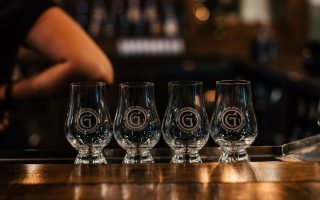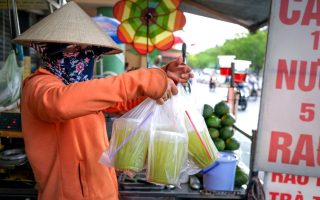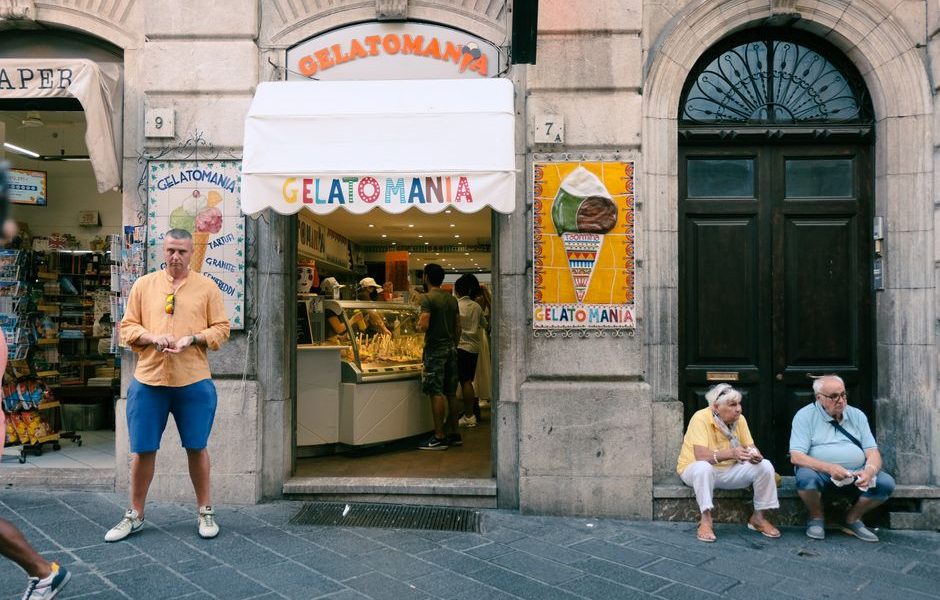
The oldest surviving osteria in Bologna dates to 1465, and Osteria del Sole still sells wine while guests bring their own food. That detail explains the city better than any list of famous dishes: Bologna eats socially, slowly, and with very little interest in separating shopping, drinking, and dinner. After several visits, I have learned that the best food day here is not a race between famous restaurants. It is a route through working markets, fresh pasta counters, a proper bowl of broth, and one well-timed aperitivo.
Why Bologna food is built around markets
The city’s food culture starts with ingredients
Bologna’s cuisine makes sense when you see the ingredients before they reach the plate. The historic centre grew around specialist shops selling fresh pasta, fish, meat, bread, cheese, cured meat, and produce. The famous dishes are not complicated because the raw materials do the work. A thin sheet of egg pasta, a slow-cooked ragù, a clean broth, and good Parmigiano Reggiano can carry an entire meal.
That is why I prefer visiting a market early, before the lunch crowd. Look for Mortadella Bologna IGP cut in thin, soft slices rather than thick cubes. Ask for Parmigiano Reggiano aged around 24 months when you want a balanced cheese for eating on its own. For a stronger, more concentrated finish, look for Aceto Balsamico Tradizionale di Modena DOP aged at least 12 years. These are not souvenirs invented for tourists; they are the building blocks of the regional table.
What the market tells you about local life
The best market visit is partly visual and partly practical. Watch residents buy small quantities for the same day. Notice how a shop may sell pasta, cheese, sliced meat, and wine without turning the place into a themed attraction. In Bologna, food shopping is woven into ordinary life, which is why a short stop can feel more revealing than a formal tasting.
My strongest advice is to buy one item you can eat immediately and one item that explains the region. A warm piece of bread with mortadella gives you a quick snack. A small wedge of aged cheese or a packet of fresh tortellini gives you a clearer sense of how the meal is assembled at home. Leave room for lunch. Bologna rewards restraint in the morning.
Which Bologna market should you choose?
A practical market comparison
These markets serve different purposes. The Quadrilatero is the best first stop for atmosphere and historic food streets. Mercato delle Erbe is better when you want a covered market with places to sit. Mercato Ritrovato is the strongest choice for producer-led shopping, but its seasonal schedule requires planning. I would not treat them as interchangeable.
| Market | Best for | Useful timing | My verdict |
|---|---|---|---|
| Quadrilatero | Historic food lanes, specialist shops, quick bites | Fresh stalls roughly 8:00–20:00; dining from around noon | Best first market for a short city break |
| Mercato delle Erbe | Covered browsing, lunch, evening drinks | Shopping Monday–Saturday, about 8:00–19:30 | Best rainy-day and mixed-group option |
| Mercato di Mezzo | Indoor food counters near Piazza Maggiore | Typically 10:00–midnight, Monday–Saturday | Best late central stop |
| Mercato Ritrovato | Local producers and seasonal goods | Saturday 9:00–14:00, generally September–June | Best for serious food shoppers |
Published hours change around holidays, and individual stalls close earlier than the building or district. I check the current Bologna Welcome market listing before setting out, especially for Mercato Ritrovato. The official market site lists its Saturday session as 9:00–14:00 from September to June, with a separate midweek calendar in warmer months.
How to spend two hours without wasting them
- Start with a slow circuit rather than buying at the first counter.
- Compare the appearance and cut of mortadella, cheese, bread, and fresh pasta.
- Ask one simple question: Is this made here, or is it a packaged regional product?
- Buy a small snack, then move on before filling up.
- Save your main pasta meal for a trattoria where the pasta is cooked to order.
Do not expect every market to operate like a food hall. The Quadrilatero is a network of streets, not one building with a single entrance and one timetable. Mercato delle Erbe combines food shopping with dining, but the food businesses keep their own service hours. That distinction prevents the most common disappointment: arriving at a supposedly open market and finding the exact stall or restaurant closed.
How to order pasta in Bologna
Choose the shape before the sauce
Tagliatelle al ragù is the dish I would choose for a first serious meal in Bologna. The broad egg noodles hold the meat sauce better than spaghetti, and the texture shows whether the kitchen made the pasta properly. Ragù here is not a loose tomato sauce. It is a slow-cooked meat sauce with vegetables, wine, and enough time for the ingredients to become one thing. If a menu offers spaghetti bolognese, skip it and order tagliatelle al ragù instead.
Tortellini are a different experience. The small filled pasta is traditionally served in broth, and the point is balance: delicate filling, clear stock, and pasta thin enough to feel tender rather than chewy. Tortelloni are larger and often filled with ricotta and greens, then dressed with butter and sage. Lasagne verdi brings spinach pasta, ragù, béchamel, and Parmigiano Reggiano together in a richer dish. You can enjoy all three, but they should not taste like variations of the same plate.
A simple ordering sequence
- Order tagliatelle al ragù when you want to judge the pasta and sauce.
- Choose tortellini in brodo when the weather is cool or you want the most traditional comfort dish.
- Pick tortelloni with butter and sage when you prefer a lighter filling and a softer finish.
- Share lasagne verdi rather than ordering it as a second heavy course.
- Ask about the daily special before ordering a familiar dish.
Fresh pasta usually arrives in a moderate portion because it is one course in a longer meal. Do not order three pasta dishes per person just because the menu looks short. Two people can share an antipasto, order two different primi, and still leave room for dessert or a small glass of digestivo.
Aperitivo in Bologna is a timing problem
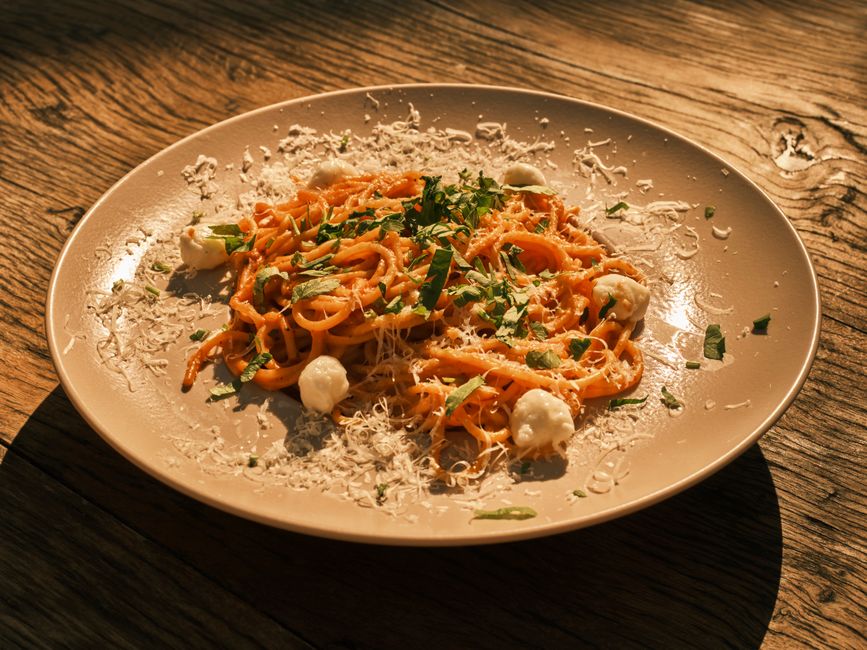
My clear verdict
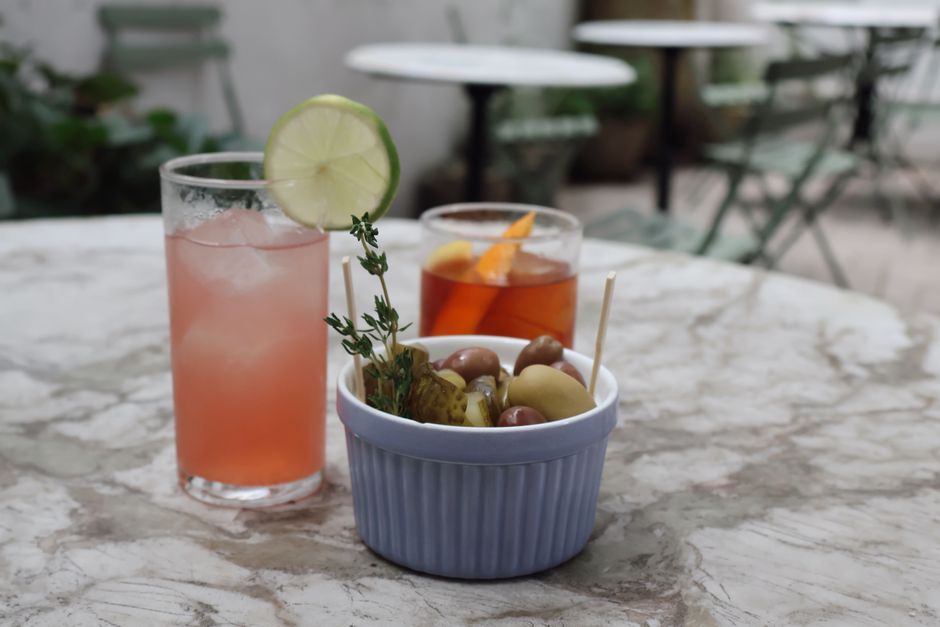
Go for aperitivo between 18:00 and 20:00, and choose a place that serves a focused plate rather than an enormous buffet. Bologna does aperitivo best when the drink and food support each other: a glass of Pignoletto dei Colli Bolognesi with mortadella, a local beer with crescentine, or a bitter spritz with a small savoury snack. The point is to open your appetite, not replace every meal of the day.
What to order and what to avoid
For a first drink, ask for Pignoletto if you want a crisp local white, or Lambrusco if you prefer a lightly sparkling red that works with cured meat. At Vinoteca Bologna, the listed aperitivo price starts at €15, while structured tastings run higher. That is a useful benchmark for the centre in 2026, though menus change. I would avoid paying a premium for a generic buffet when a simple drink and a regional plate give you a better sense of place.
Aperitivo also has a social rhythm. Order at the bar, take the food that comes with the drink, and do not treat every small plate as an unlimited dinner unless the menu clearly says so. The best transition is aperitivo first, then dinner around 20:00 or 20:30. Starting too late leaves you competing with the dinner crowd; starting at 17:00 often means the kitchen has not fully shifted into evening service.
A one-day Bologna food itinerary that works
Morning to evening route
Start at the Quadrilatero around 9:00, when the lanes are active but not yet packed. Walk Via Pescherie Vecchie and Via Drapperie, then continue toward Piazza Maggiore. Have coffee without turning breakfast into a full meal. At around 11:30, move to Mercato delle Erbe for a covered look at produce, cheese, bread, and prepared food. If you are visiting on a Saturday between September and June, replace that stop with Mercato Ritrovato for a more producer-focused morning.
Eat lunch around 13:00. Order tagliatelle al ragù or tortellini in brodo, not both unless you are sharing. Spend the afternoon walking under the porticoes, then return toward the centre for aperitivo at 18:30. A drink and a small plate are enough. Dinner should be later and simpler: one traditional main course, a vegetable side, and perhaps a small dessert.
Final comparison
| If you want | Choose | Best time | Why |
|---|---|---|---|
| Your first taste of Bologna | Quadrilatero | Morning or early lunch | Historic lanes and many food stops close together |
| A relaxed indoor break | Mercato delle Erbe | Late morning or evening | Shopping and dining under one roof |
| Local producers | Mercato Ritrovato | Saturday morning, September–June | Seasonal goods and direct producer contact |
| The most useful pasta lesson | Tagliatelle al ragù | Lunch | It shows the quality of fresh egg pasta and slow-cooked sauce |
| A social start to dinner | Aperitivo | 18:00–20:00 | It gives you a regional drink and snack without spoiling dinner |
For a short visit, choose the Quadrilatero, tagliatelle al ragù, and one well-timed aperitivo. For a full weekend, add Mercato delle Erbe and Mercato Ritrovato. That combination gives you Bologna as a working food city, not just a checklist of famous dishes.