A useful travel book does more than name places. It can sharpen the question behind a journey, slow down the rush to book everything and give you a better way to notice what is already in front of you.
Start with the shape of the trip
Let one book widen the map before six tabs narrow it
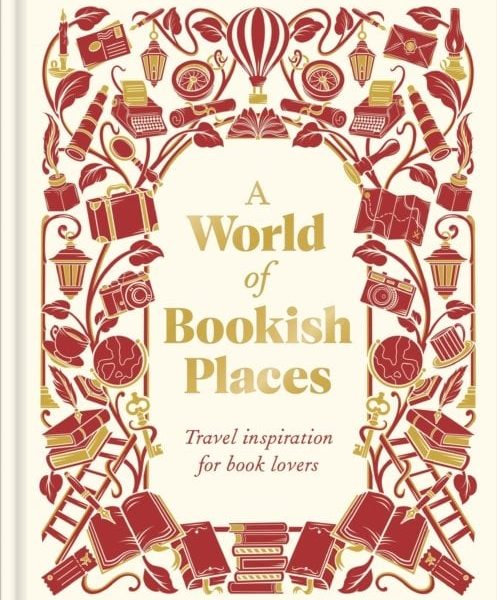
A World of Bookish Places is a useful opening prompt because it treats bookshops, libraries, author homes and literary streets as destinations in their own right. That does not mean rebuilding a holiday around a checklist. It means asking whether one afternoon could be organised around a story, a neighbourhood or a quiet public room rather than the most photographed sight.
Use the cover as the front of a small planning file. Behind it, keep one page for motive, one for pace, one for context and one for the practical route. The aim is a short reading plan that changes how you prepare, not a tall stack that becomes another unfinished task.
Purpose
Write the journey question first
How to Travel approaches travel as a skill rather than a product. That makes it useful before browsing fares. Read a short section, then write one sentence beginning, “I want this trip to give me more…” The answer might be unstructured time, confidence on trains, attention to architecture or a chance to reconnect with someone.
Keep the sentence specific enough to guide choices but loose enough to survive reality. “I want to feel transformed” is too vague. “I want three mornings with no timed entry” can shape a workable itinerary. Put that sentence above the booking list and use it when two attractive options compete for the same day.
Motive
Separate curiosity from borrowed urgency
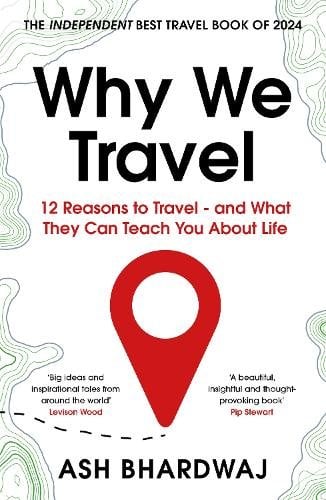
Why We Travel examines different motives for leaving home. Use it as a check against trips built from other people’s enthusiasm. Make two columns: “mine” and “inherited.” Put every reason for the journey somewhere. A destination can stay on the list even if a television series planted the idea; the exercise simply reveals whether you still care after the trend moves on.
Then choose one motive that needs protecting. Curiosity may need empty time. Rest may need fewer hotel changes. Service may require careful research into local organisations. Visiting friends may matter more than adding another city. A declared motive gives the itinerary a centre of gravity.
Attention
Plan an observation, not only an attraction
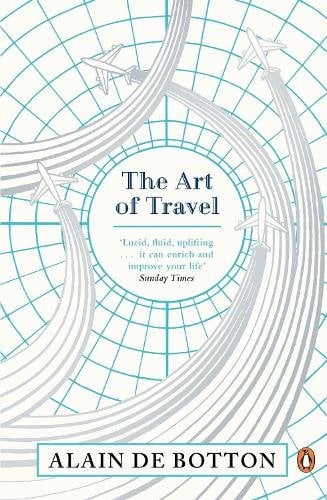
The Art of Travel is strongest as a cue to notice the ordinary machinery of a journey: waiting rooms, weather, windows, meals alone and the strange freedom of a temporary room. Before departure, choose one observation practice. You might sketch a station sign, record the first sound each morning or write three lines about a street at closing time.
The practice should be small enough to continue on a tired day. It is not homework and it should not block the experience it records. Five attentive minutes can create a clearer memory than fifty automatic photographs. Leave space in the schedule for the observation to happen without forcing a special detour.
Context
Build one historical window
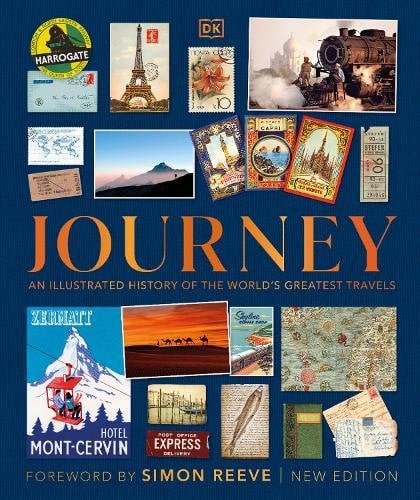
Journey stretches the idea of travel across migrations, trade, pilgrimage, exploration and changes in transport. Rather than trying to absorb the whole history, use its illustrated structure to choose one thread connected to your route. If the trip follows a railway, ask what existed before the line. If it crosses a port, look at what and who moved through it.
Write down one question for a museum, guide or local archive. Context should make a place more complicated, not turn it into a neat lesson. Keep room for conflicting accounts and for the limits of a broad overview. The useful result is a more informed question when you arrive.
Route
Compare the journey with the arrival
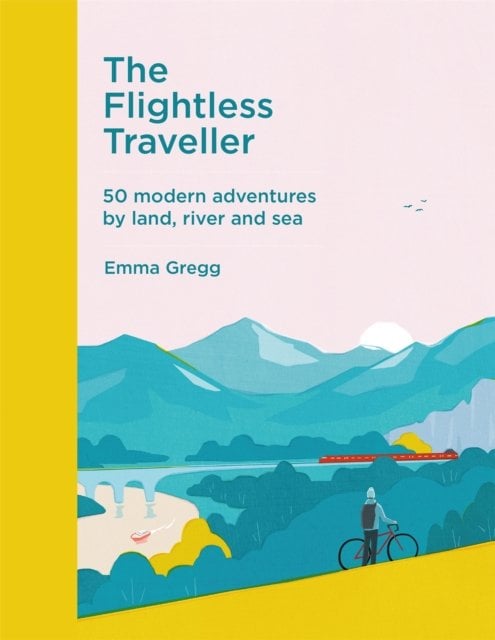
The Flightless Traveller collects ideas for travel by land, river and sea. Treat it as an option generator, not a claim that every no-flight route is practical for every traveller. Compare time, cost, border requirements, accessibility, luggage and the overnight experience. A slower route can be the memorable part of a holiday, but only when it fits the people taking it.
Draw the route in two versions: the fastest acceptable option and the most interesting realistic option. Note where a missed connection would become expensive, where an overnight stop would help and what must be booked ahead. Check live operator guidance before committing; a book can inspire the shape, while current transport information must settle the details.
A four-session plan that remains finishable
Do not assign six complete books to the week before departure. Use four short sessions and stop when each has produced a decision. On the first evening, define purpose and motive. On the second, choose the observation practice. On the third, open one historical thread. On the fourth, compare routes and write the final travel note.
Purpose sentence and protected motive.
One observation that fits a tired day.
One historical question to carry.
Fast route, interesting route, live checks.
The final page
Pack a single sheet with the purpose sentence, one observation, one context question and the practical route. Leave the rest of the reading at home unless you genuinely want it on the journey. Preparation has done its job when it makes the trip lighter.
Build the reading desk
Browse current travel writing and guide editions at Bookshop.org UK
Use the live product pages to compare formats, publication details, availability and current prices before choosing the books that fit your trip.
Affiliate disclosure: Self Help Travel may receive compensation after an eligible purchase. Product details and availability can change; check the live merchant page.