
If you fly even twice a year, the right travel rewards card pays for itself. The wrong one costs you in fees you never use and points you never redeem. Here is the short version: the American Express Cobalt Card earns the most flexible points for most people. But it is not for everyone. This article breaks down the top cards, the math behind them, and the mistakes that drain your value.
How to Pick a Travel Card: First Principles
A travel rewards card is a tool. You trade a fee and some spending habits for points you can later turn into flights or hotel nights. The fundamental question is simple: will the points you earn exceed the annual fee plus the cost of any foreign transaction fees?
Most cards charge between $120 and $699 per year. You need to earn at least that much value back. The average Canadian household spends roughly $4,000 per month on credit cards. At 2 points per dollar, that is 96,000 points per year. If those points are worth $0.01 each, you get $960 in value. Subtract a $150 fee and you are ahead $810.
But not all points are equal. Aeroplan points are often worth more than 1 cent each when used for business class flights. Scene+ points are worth less on merchandise. You have to match the card to your spending and travel style.
The Big Three Earnings Categories
Cards fall into three buckets based on where you earn the most:
- Flat-rate earners: 1.5% to 2% back on everything. Simple. Good for people who do not want to track categories.
- Category earners: 3x to 5x points on groceries, dining, gas, or travel. Better for people who spend heavily in those areas.
- Travel-specific earners: Bonus points on flights and hotels booked through the card’s portal. Best for frequent travelers who book directly with the card issuer.
The Best Cards for 2026: A Comparison
Below is a direct comparison of the five strongest travel rewards cards available to Canadians right now. Prices and features are current as of early 2026.
| Card Name | Annual Fee | Best Earning Rate | Points Value (per point) | Best For |
|---|---|---|---|---|
| American Express Cobalt | $155.88 | 5x on groceries & dining | 1.0–2.0¢ (transferred to Aeroplan) | Everyday spenders who want flexible points |
| MBNA Rewards World Elite | $120 | 5x on groceries, dining, & recurring bills | 0.8–1.0¢ | Simple, high earn rate on everyday categories |
| TD Aeroplan Visa Infinite | $139 | 3x on Air Canada & groceries | 1.5–2.5¢ (Aeroplan flights) | Air Canada flyers who want status perks |
| Scotiabank Passport Visa Infinite | $139 | 2x on travel, dining, & entertainment | 1.0¢ | No foreign transaction fees + lounge passes |
| RBC Avion Visa Infinite | $120 | 1.25x on everything | 0.8–1.2¢ (transferred to airlines) | Flat-rate earners who want airline flexibility |
The American Express Cobalt wins on raw earning potential. At 5x on groceries and dining, you accumulate points fast. Transfer those points to Aeroplan, and you can book a round-trip economy flight to Europe for about 60,000 points. That is roughly $12,000 in grocery and dining spend.
The MBNA Rewards World Elite is the best no-nonsense alternative. It also earns 5x on groceries and dining, plus recurring bills. The points are less flexible — you cannot transfer to Aeroplan — but you can redeem them for travel at a fixed rate. No blackout dates.
Three Mistakes That Kill Your Points Value
Most people leave money on the table. Here are the three biggest errors.
Mistake 1: Redeeming Points for Statement Credits
This is the worst way to use points. A $100 flight costs you 10,000 points on most cards. But if you redeem those same 10,000 points for a statement credit, you get $80 or less. Always redeem for travel. The math is simple: travel redemptions give you 1 cent per point or more. Statement credits give you 0.8 cents or less.
Mistake 2: Ignoring Foreign Transaction Fees
If you travel outside Canada, a 2.5% foreign transaction fee eats your earnings. On a $5,000 trip, that is $125 in fees. The Scotiabank Passport Visa Infinite and Home Trust Visa charge zero foreign transaction fees. If you travel internationally more than once a year, these cards are essential.
Mistake 3: Hoarding Points Without a Plan
Points devalue. Airlines and banks change redemption rates every year. The value of Aeroplan points dropped roughly 15% between 2026 and 2026. Do not hoard points for a dream trip three years away. Set a goal — a specific flight or hotel — and book it when you have enough points. Waiting costs you value.
When NOT to Use a Travel Rewards Card

This is the part most articles skip. Travel cards are not always the right choice.
If you carry a balance, a travel rewards card is a trap. The interest rate on most of these cards is 19.99% to 22.99%. One month of carrying a $1,000 balance costs you $20 in interest. That wipes out months of points earnings. If you ever carry a balance, use a low-interest card or a cash-back card instead.
If you spend less than $15,000 per year on credit cards, the annual fee likely cancels out your earnings. A $120 fee on $15,000 spend at 2% back is $300 in value. Net profit: $180. Not bad, but a no-fee cash-back card earning 1.5% gives you $225 with zero effort. The math favors simplicity for low spenders.
If you hate tracking categories, a flat-rate card like the RBC Avion Visa Infinite or a simple cash-back card like the Tangerine Money-Back Card is better. Category cards require you to remember which card to use at the grocery store versus the gas station. If you forget, you lose the bonus.
How to Maximize Your Points in 2026
Getting the best value is about three things: timing, transfer partners, and stacking.
Stacking with Sign-Up Bonuses
Sign-up bonuses are the fastest way to accumulate points. The American Express Cobalt currently offers 30,000 points after spending $3,000 in the first three months. That is worth roughly $450 in travel. Apply for one card per year, hit the minimum spend, and collect the bonus. Do not apply for multiple cards at once — it hurts your credit score and you will struggle to meet the spending requirements.
Transfer to Airline Partners
American Express Membership Rewards points transfer 1:1 to Aeroplan, British Airways Avios, and Marriott Bonvoy. Aeroplan is the best transfer partner for Canadians. A round-trip flight from Toronto to Vancouver costs about 15,000 Aeroplan points. That same flight would cost 20,000 points if you booked directly through the Amex travel portal. Always transfer before booking.
Use the Right Card for the Right Purchase
Keep a cheat sheet in your wallet or phone. For example:
- Groceries and dining: Amex Cobalt (5x)
- Gas and transit: MBNA Rewards World Elite (5x on recurring bills includes gas)
- International travel: Scotiabank Passport (no foreign fees)
- Everything else: Amex Cobalt (1x) or a flat-rate card
This strategy takes 30 seconds per purchase. Over a year, it can double your points earnings.
The Verdict: One Card for Most People
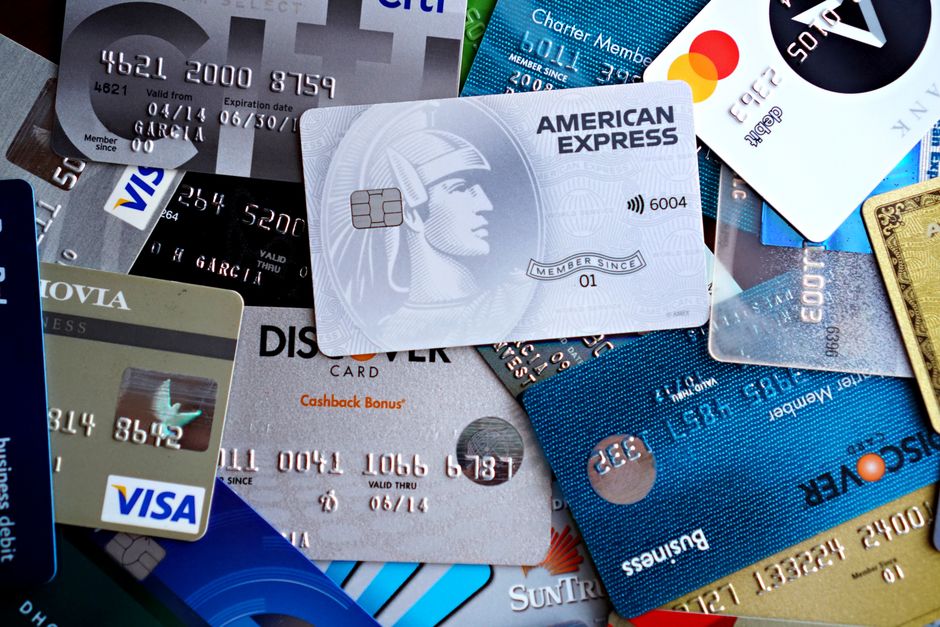
If you want one card that covers most bases, get the American Express Cobalt. It earns 5x on the two biggest spending categories for most households — groceries and dining. It has a moderate annual fee of $155.88. The points transfer to Aeroplan, which gives you access to the best redemption values for Canadian travelers.
If you need a card with no foreign transaction fees, add the Scotiabank Passport Visa Infinite as a backup. Use the Amex at home and the Scotiabank card abroad.
If you want simplicity and do not fly often, the MBNA Rewards World Elite is the better choice. No transfer math, no portal confusion. Earn 5x on your top categories and redeem for travel at a fixed rate. It is the closest thing to a set-it-and-forget-it travel card.
Pick the card that matches your spending, not the one with the highest sign-up bonus. A $600 bonus means nothing if you cannot hit the spending requirement or if the annual fee eats the value in year two.