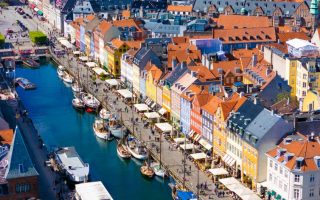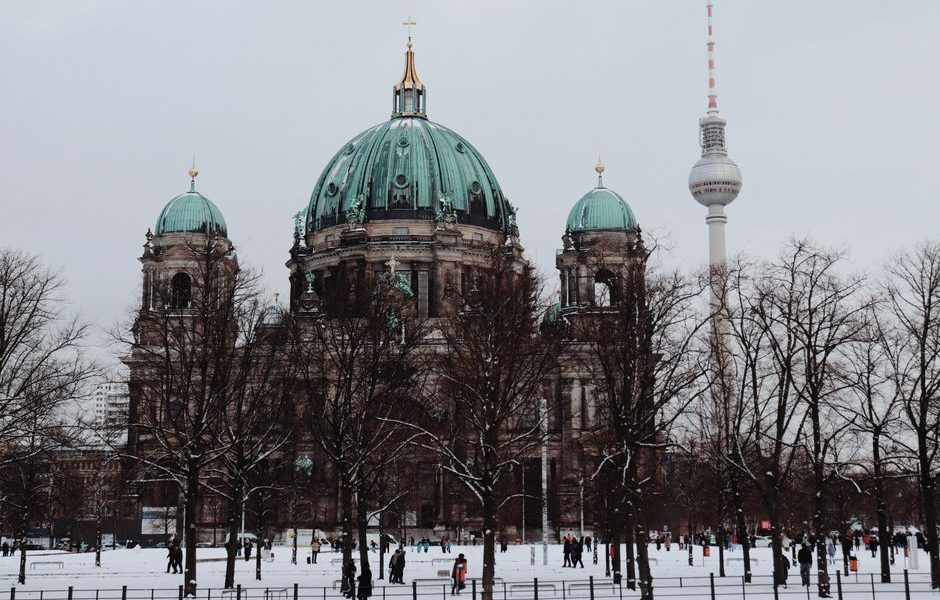
Forty-eight hours is enough to change the feel of a bleak month. A Friday evening departure and Sunday return can give you two full mornings, two long walks and four proper meals somewhere brighter, warmer or simply different. The trick is to treat January as a short reset, not a summer holiday in disguise.
Why a January city break can lift a low mood
January feels long because the routine is narrow: work, darkness, bills and the same view from the same window. A city break interrupts that loop with small, manageable changes. You walk more, make decisions about where to eat, hear a different language and spend several hours outside before returning to your normal week.
Choose movement over perfect weather
You do not need sunshine every hour. You need enough daylight to make leaving your room worthwhile. A compact city with a walkable centre works better than a sprawling destination that requires expensive taxis and long journeys. Plan one outdoor route each morning, then keep a museum, food market or covered arcade as your wet-weather backup.
Buy relief from routine, not luxury
The most useful part of a January trip often costs nothing. A river walk, a public square, a cheap bakery breakfast and an unfamiliar tram ride can fill a day without draining your bank account. Set a realistic goal: return home feeling more awake, not as if you have completed an expensive sightseeing marathon.
Do not treat a city break as a cure for depression or a replacement for proper support. It can create a welcome change of scene, but serious or lasting low mood needs attention at home too. For a normal post-holiday slump, two nights away can provide a clean break without using a week of annual leave.
Which European cities give the most winter value

For a low-cost January trip, Krakow is the strongest all-round choice: compact, atmospheric and usually cheaper for food and beds than western European capitals. Budapest wins if thermal baths and indoor activities matter more than the lowest daily spend. Porto suits travellers who want a milder feel, while Valencia offers the best chance of daytime warmth but often costs more to reach.
| City | Return transport | Two-night bed | Food | Local travel | Working total |
|---|---|---|---|---|---|
| Krakow | €55 | €48 | €40 | €15 | €158 |
| Budapest | €65 | €56 | €44 | €18 | €183 |
| Porto | €80 | €70 | €52 | €20 | €222 |
| Valencia | €95 | €76 | €55 | €22 | €248 |
These are planning figures for one person leaving from a major UK airport, sharing a dormitory or budget room, carrying only a small cabin bag and travelling outside the first weekend of the month. A Ryanair London–Krakow return at about £55, a Wizz Air London–Budapest fare near £59 and an easyJet London–Porto fare around £72 can all work, but the cheapest headline fare may exclude a larger bag or seat selection.
My verdict is clear: choose Krakow for the lowest complete-trip cost, Budapest for the best cold-weather experience and Porto when mild air matters more than the final total. Check the airport transfer before booking because a €20 flight can become a €45 journey once a distant airport bus is added.
How to plan a cheap winter city break without cheapening it
Start with the total trip cost, not the transport headline. A low fare only helps if the airport, baggage rules and accommodation location fit the plan.
Use this six-step booking order
- Pick three possible cities with direct transport from your nearest airport.
- Check the weather pattern and sunset time for your exact weekend.
- Price a small cabin bag, airport transfer, bed, food and one paid attraction.
- Choose Friday-to-Sunday or Saturday-to-Monday dates before checking hotels.
- Book accommodation within a 25-minute walk or simple tram ride of the centre.
- Leave one third of the budget unspent for delays, warmer clothing or a change of plan.
Protect the parts that affect your mood
Do not save money by booking a bed far outside the centre if that means returning alone through an empty transport network each night. Do not schedule six attractions in two days. The best budget plan has one fixed booking per day and enough open time to sit somewhere warm when the weather turns.
Pack a waterproof outer layer, comfortable shoes, a refillable bottle and a small power bank. January trips punish poor preparation more than poor spending. A wet pair of trainers can make an otherwise affordable weekend feel miserable, while a €10 rain cover may protect the whole schedule.
Book refundable accommodation when the price difference is small. Winter transport faces fog, snow and strikes more often than a summer schedule, and a flexible room can cost less than changing a non-refundable reservation.
What €200 really buys in January
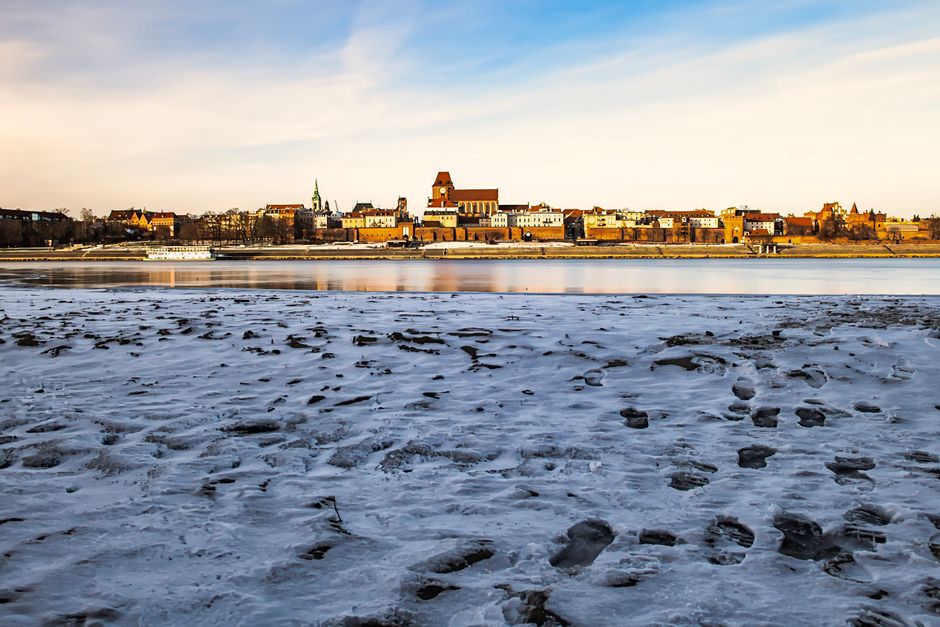
A realistic low-cost version
€200 buys a proper two-night reset in Krakow if you travel with a small bag, share a room and avoid weekend restaurant splurges: about €55 for return transport, €48 for a bed, €40 for simple meals, €15 for local travel and €42 for coffee, one museum, snacks and a buffer, which is enough for a full experience but not enough for private taxis, a premium hotel or several paid tours.
Where the budget breaks
The same €200 becomes tight in Budapest once you add a thermal bath, and it will not comfortably cover Porto if flights rise above €80; a bed at Generator Krakow can sit near €24 per night, while a dormitory at MEININGER Budapest Great Market Hall may land around €28 per night, but both prices move with dates, room type and demand, so the sensible choice is the city whose entire weekend still leaves €30 untouched.
That is the honest trade-off. A budget trip should feel limited in a few harmless ways, such as eating breakfast from a bakery or skipping a second attraction, rather than stressful in every way. If your ceiling is €200, Krakow wins. If you need a private room, add at least €80 to the plan before looking at flights.
January city break questions, answered
Is January too cold for a European city break?
No, but cold changes the shape of the day. Schedule outdoor sights between late morning and mid-afternoon, then use museums, cafés, markets and baths after dark. Krakow and Budapest can feel properly wintry, while Porto and Valencia usually offer easier walking conditions.
How many nights make the trip worthwhile?
Two nights works best for a strict budget and limited annual leave. Three nights gives you a slower pace and makes transport disruption less damaging, but the extra accommodation and food often cost more than the third day adds in enjoyment. For a first attempt, book two nights with a late return on the final day.
Should I book the cheapest flight?
Only after checking the complete journey. Compare the fare, bag allowance, airport transfer, departure time and the cost of reaching the airport. A flight that lands at midnight can force you into an expensive taxi or an extra hotel night, wiping out the saving.
What mistake ruins the most January weekends?
Overplanning. Travellers often book an early flight, a distant hotel and a packed attraction list, then spend the whole weekend rushing between cold streets and transport platforms. Keep the centre compact, protect sleep and leave one unbooked block each day. That buffer is part of the trip, not wasted time.
The best January plan for a tight budget
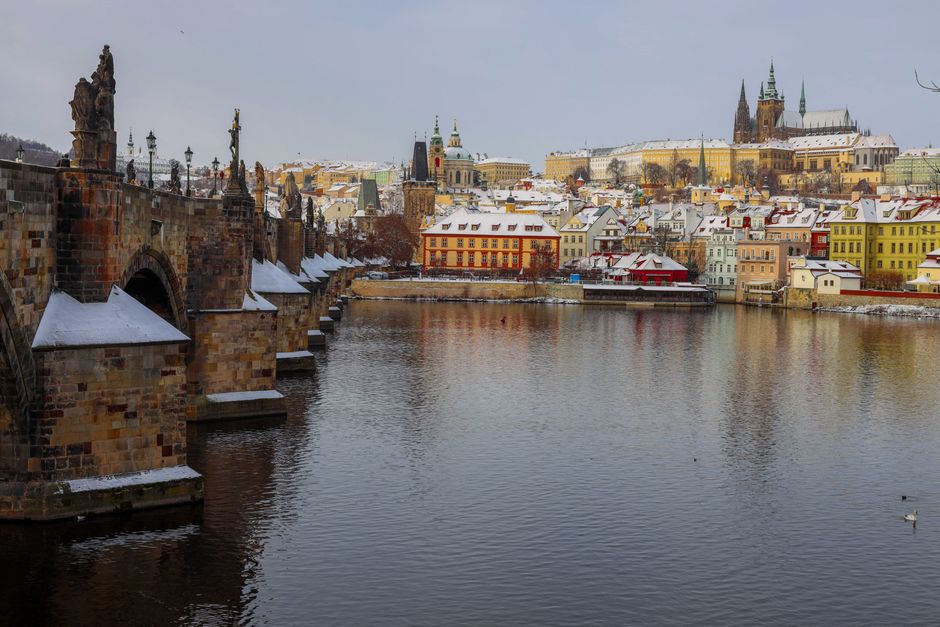
Choose Krakow for a €200 ceiling and Budapest for a slightly larger budget. Krakow gives you the cleanest balance of low food prices, short distances and enough indoor culture to handle bad weather. Budapest costs more, but its thermal baths give the weekend a clear centrepiece when the sky stays grey.
A simple 48-hour structure
Arrive on Friday evening, check in and eat within walking distance. Spend Saturday morning on a central walking route, take a long lunch and use the afternoon for one paid sight or museum. Keep Saturday night simple. On Sunday, visit a market or public square, buy food for the journey and leave for the airport with a generous transfer buffer.
When to skip the city break
Do not book one if the fare only looks cheap because it departs from an airport several hours away, if you need a private room but cannot afford one, or if the trip would leave you short for rent and bills. A quiet local weekend with a long walk, a new exhibition and one good meal may deliver the same change of rhythm at a fraction of the cost. The point is to return lighter, not to turn January into another financial problem.