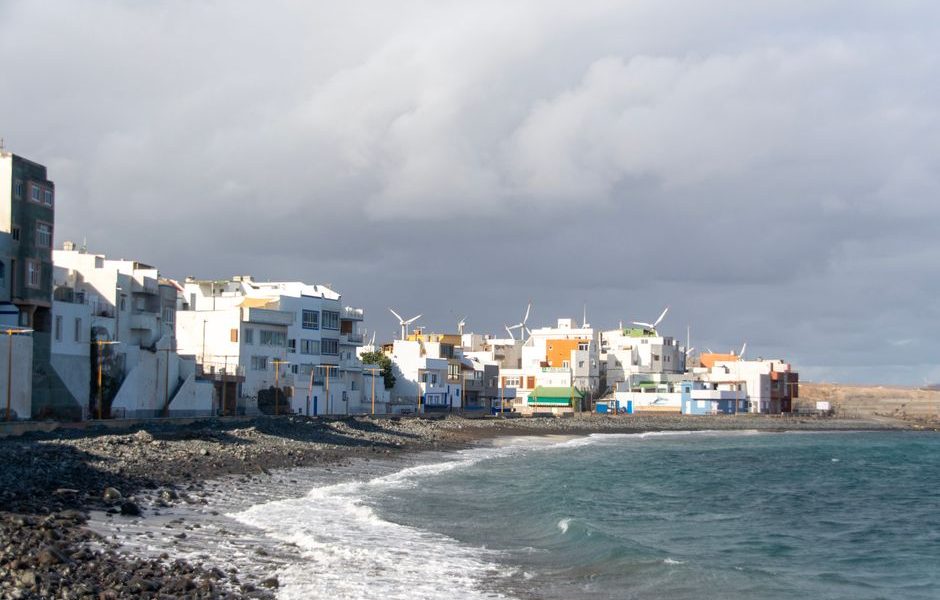
The common misconception is that all three islands deliver the same winter holiday. They share mild temperatures, but the experience changes sharply once you account for wind, rainfall, landscape, road distances, nightlife and beach conditions.
The fastest verdict: choose Tenerife for the widest range
Tenerife is the best overall choice for winter sun because it gives most travellers the easiest balance of reliable warmth, sheltered resorts, restaurants, hiking, transport and day-trip options. Pick the south coast, especially Costa Adeje, Los Cristianos or Playa de las Américas, if warm afternoons and resort convenience matter most.
Choose Tenerife for variety
Tenerife suits a mixed trip. You can spend one day beside a hotel pool, another in Teide National Park and a third exploring La Laguna or the Anaga mountains. The south is usually drier and sunnier than the north. That regional split matters more than the island’s average temperature.
The trade-off is scale. Tenerife is the most developed of the three choices, so popular resort areas can feel busy and built-up. Traffic around the southern airport and main coastal roads can also consume time. Travellers seeking empty beaches and volcanic silence may find the island too active.
Choose Lanzarote or Fuerteventura for a narrower brief
Lanzarote wins for volcanic scenery, architecture, short driving distances and a more distinctive visual identity. Fuerteventura wins for long sandy beaches, open space and a slower rhythm. Neither island offers Tenerife’s same mix of urban culture, mountain terrain and large resort choice.
My practical ranking is clear: Tenerife for a first visit or mixed interests, Lanzarote for scenery and culture, and Fuerteventura for beach time. That verdict assumes a typical winter break from December through February, when the islands remain mild but not guaranteed to be hot every day.
How the three islands compare in winter weather
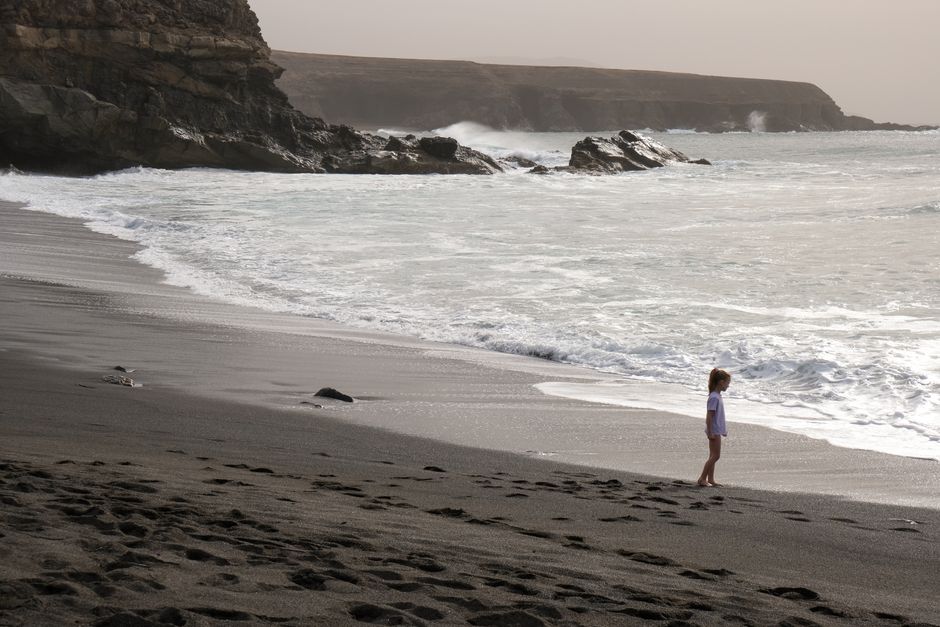
The climate evidence in plain numbers
Winter daytime temperatures are usually comfortable rather than tropical. Coastal areas often reach around 20 to 23°C during the afternoon, while evenings can feel cool after sunset. Sea temperatures commonly sit near 19 to 21°C, so swimming is possible but not universally comfortable, especially on windy days.
| Island and best-known winter areas | Typical daytime range | Rain and cloud pattern | Wind exposure | Best winter advantage |
|---|---|---|---|---|
| Tenerife south: Costa Adeje, Los Cristianos | 21-23°C | Usually the driest part of Tenerife; brief cloud changes can occur | Often more sheltered than the eastern islands | Reliable resort weather plus varied day trips |
| Lanzarote: Puerto del Carmen, Playa Blanca | 20-22°C | Low rainfall, with occasional cloudy or showery spells | Moderate to strong trade winds in exposed areas | Volcanic landscapes and manageable driving distances |
| Fuerteventura: Corralejo, Caleta de Fuste, Morro Jable | 20-22°C | Very dry, though cloud can move across the coast | Most noticeable on open beaches and northern shores | Long beaches and space |
What the averages do not tell you
Wind changes the legal-style question from what is the island’s average temperature to what conditions apply at the exact beach, resort and date. A still 21°C afternoon can feel warm in direct sun. The same number with a steady trade wind can feel distinctly cool. South-facing bays and sheltered resort pools often provide a better winter experience than exposed beaches, even on the same island.
Tenerife has the strongest microclimate contrast. The south is generally the safe choice for sun, while northern towns are greener and often cloudier. Lanzarote is more consistent in appearance but can feel stark and windy. Fuerteventura has the best beaches on paper, yet its open coastline is also the least forgiving for people who dislike wind.
For 2026 planning, treat climate figures as normal ranges rather than promises. A good forecast check seven days before departure is more useful than a glossy annual average.
How to choose your island without wasting a week
The correct decision starts with the type of disappointment you can tolerate. Every island has one obvious strength and one predictable weakness. Rank those before looking at hotels or flight times.
Step 1: decide what must happen every day
- For guaranteed variety, choose southern Tenerife. It is the strongest fit for couples or families who want restaurants, beaches, excursions and easy alternatives if the weather changes.
- For dramatic scenery, choose Lanzarote. The volcanic terrain around Timanfaya, the lava fields and the island’s carefully controlled architecture create a stronger sense of place than a standard resort destination.
- For long beach walks, choose Fuerteventura. Corralejo and the southern Jandía area offer more open sand and space, but the wind can make a beach day less relaxing than expected.
Step 2: match the island to transport tolerance
Tenerife rewards a split-base trip but punishes careless routing. Crossing from the south to the north or the interior can take much longer than the map suggests because roads climb steeply and traffic builds near busy towns. Lanzarote is easier to cover in a week, so a single base can work well. Fuerteventura has long north-south distances; staying near Corralejo while planning daily trips to Morro Jable can turn a relaxed holiday into a driving schedule.
Step 3: set a wind rule
If wind ruins your holiday, select Tenerife south and book a sheltered coastal location. If you can accept breezy afternoons in exchange for wide beaches and open landscapes, Fuerteventura becomes the better choice. Lanzarote sits between them: it is not wind-free, but its attractions do not rely only on lying beside the sea.
The best choice is therefore practical, not aspirational. Choose the island that protects your main activity on an average day, not the one with the most attractive promotional photograph.
What can go wrong on a winter Canary Islands trip?
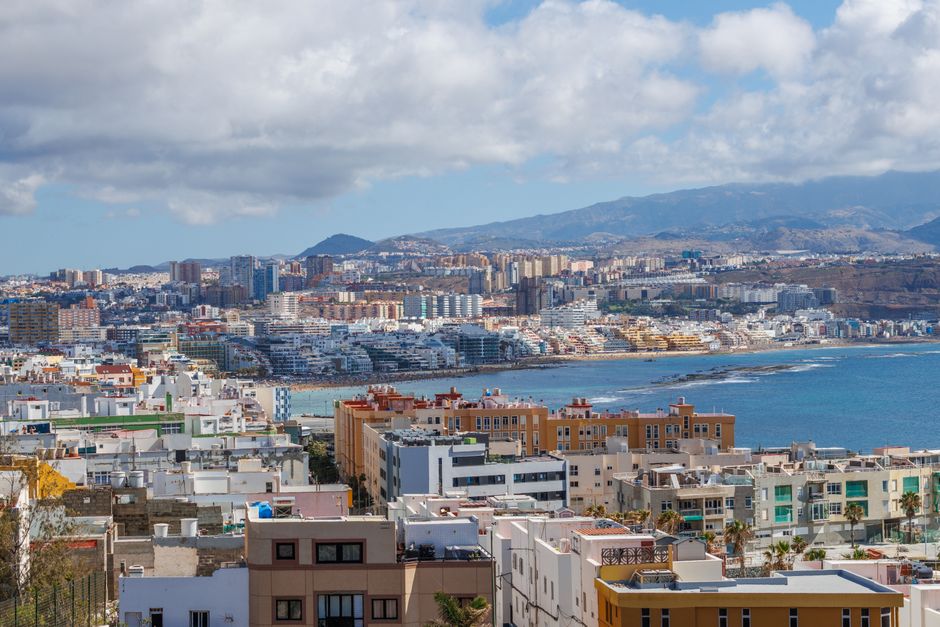
The main failures are planning errors, not destination defects. Travellers often book from a national weather average, assume every beach faces the same conditions and pack as if the islands were guaranteed to deliver midsummer heat.
Mistake one: treating the island average as your resort forecast
Tenerife demonstrates this problem most clearly. A forecast for Tenerife may combine the dry, sunny south with the cooler, cloudier north. The result can look misleadingly moderate. Check the forecast for the town where you will sleep, then check the wind speed and direction. A 20°C forecast with strong wind calls for a different plan from a calm 20°C afternoon.
Mistake two: picking the best beach without checking exposure
Fuerteventura’s beaches are a major reason to visit, but their openness creates the exact condition that some travellers dislike. Sand can blow across towels, umbrellas may be unstable and swimming can feel unpleasant when the sea is rough. Families with young children should give more weight to sheltered coves, nearby facilities and short walks from accommodation than to the total length of the beach.
Mistake three: packing only summer clothing
Bring shorts and swimwear, but also pack a light fleece, long trousers and a wind-resistant layer. Nights, mountain viewpoints and outdoor restaurants can feel cool. Teide is a separate climate from the coast: temperatures fall quickly with altitude, and winter conditions can affect access to higher areas.
Mistake four: overloading the itinerary
A seven-day stay does not require a different major excursion every day. Driving across Tenerife for one attraction and returning the same evening can create more fatigue than value. Lanzarote’s compact geography supports a denser sightseeing plan. Fuerteventura rewards fewer stops and longer periods in one area.
My strongest warning is simple: do not book Fuerteventura solely because it has the biggest beaches if you dislike wind, and do not book northern Tenerife solely because the island sounds warm if dependable sun is your priority.
Which island answers the questions travellers actually ask?
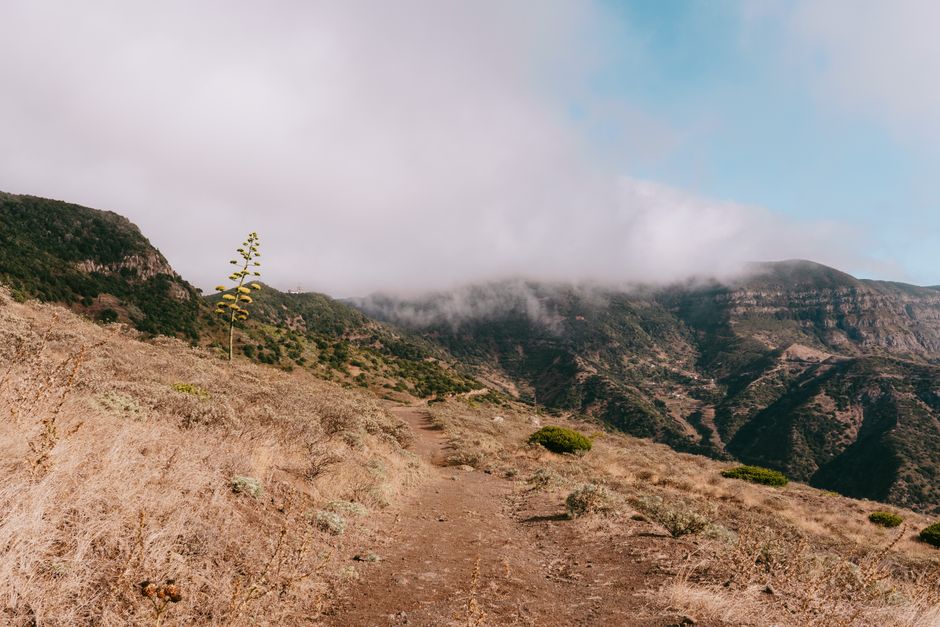
Is Tenerife warmer than Lanzarote and Fuerteventura?
Southern Tenerife is typically the safest pick for warm, sheltered winter afternoons. The difference in temperature may be small, but the southern resorts often feel more protected from wind than exposed parts of Lanzarote and Fuerteventura. That makes Tenerife the winner for pool time, outdoor dining and an easy resort break.
Which island has the best beaches in winter?
Fuerteventura has the strongest beach case because of its long sandy shores and open coastal scenery. It is the best choice for walkers, surfers and travellers who value space more than shelter. For calm swimming and simple beach access, a protected bay in southern Tenerife or Lanzarote can be more comfortable than a larger but windier beach.
Which island is best for a first Canary Islands trip?
Choose Tenerife. Its range reduces the chance of running out of things to do, and the south offers the clearest winter-sun base. Choose Lanzarote instead if volcanic scenery is the central reason for travelling. Choose Fuerteventura only when beaches, quiet and open space matter more than cultural variety.
Which island should you avoid for your specific holiday?
Avoid Fuerteventura if strong wind will frustrate you. Avoid a northern Tenerife base if dependable sunshine matters more than greenery and local atmosphere. Avoid Lanzarote if you want dramatic high mountains, dense nightlife or a large choice of urban attractions.
The single most important takeaway is this: choose southern Tenerife for the safest all-round winter sun, Lanzarote for volcanic character, and Fuerteventura for beaches and space.