A gentle Sunday stroll through the park and a multi-day European walking holiday may both involve putting one foot in front of the other, but they are two very different experiences. On a walking holiday, you’ll likely be walking for several hours a day, day after day, which places cumulative strain on your body in a way a treadmill or occasional weekend walk does not. Without preparation, what should be an enriching, confidence-building experience can quickly become uncomfortable or exhausting.
That doesn’t mean walking holidays are only for seasoned hikers. Quite the opposite. Europe offers some of the most accessible and rewarding walking routes in the world, from vineyard paths and coastal trails to historic pilgrim routes and countryside tracks that end each day in a welcoming village. The key is understanding what’s involved and preparing properly, both physically and practically. To enjoy the journey rather than endure it, you’ll need to shift your mindset from casual “exercise” to purposeful “endurance” and preparation.
If you’re considering your first European walking holiday, these five essential tips will help you choose wisely, feel confident, and enjoy the journey rather than simply enduring it.
1.Break in Your Footwear Properly
One of the most common holiday-spoilers? Sore feet, often from wearing new boots straight out of the box. Even the most expensive or well-reviewed walking boots need time to soften and adapt to your feet.
To prevent painful blisters and discomfort, never wear brand-new boots on your first day of serious walking. Instead, wear them around the house, on short walks and errands for several weeks beforehand. This allows the materials to loosen naturally and helps you identify any pressure points early, while you still have time to adjust socks, insoles, or even swap footwear entirely. Remember, boots should feel comfortable and broken in long before you hit the trail.
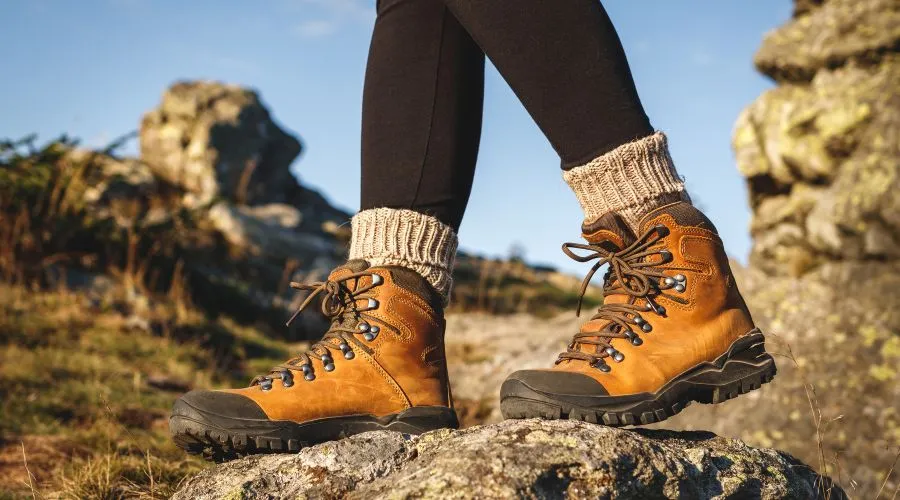
Pro Tip : Your walking boots should feel comfortably familiar before you travel. If they don’t feel right at home, they won’t magically improve after ten miles on a trail.
2.Choose the Right Destination for Your Experience Level
Not all walking holidays are the same terrain, daily distances, accommodation, and support services vary widely. If you prefer comfort, culture, and winding down each evening with good food and rest, a route that ends each day in a village or a small town might suit you best. For example, many enjoy walking holidays in Italy where you can pair scenic paths with warm dinners, local wine, and comfortable beds. These trips often feel more like a slow travel experience than a test of endurance.
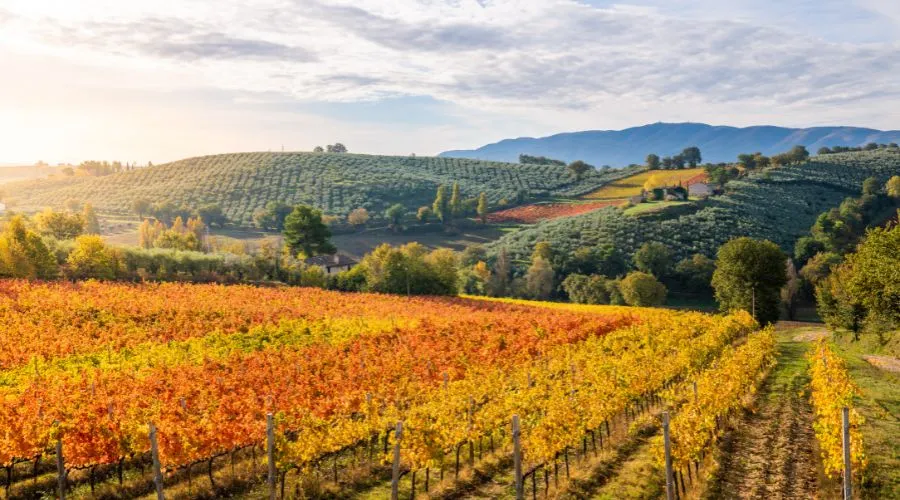
If you’re drawn to rugged landscapes and wilder terrain, be honest with yourself about your fitness and experience. Choosing a route that matches your current level will make the holiday far more enjoyable and safer than attempting an “advanced” hike on your first outing.
Pro Tip: Look beyond the headline distance. Daily elevation gain and terrain type often matter more than kilometres alone.
3.Layer Clothing for Unpredictable Weather
Weather (especially in Europe) can be wonderfully mild one minute and shockingly cold, wet, or windy the next — sometimes all in the same day. Packing the right clothing system is essential for comfort on a walking holiday.
Rather than one heavy coat, pack several thin, moisture-wicking layers you can add or remove as temperature and exertion change.
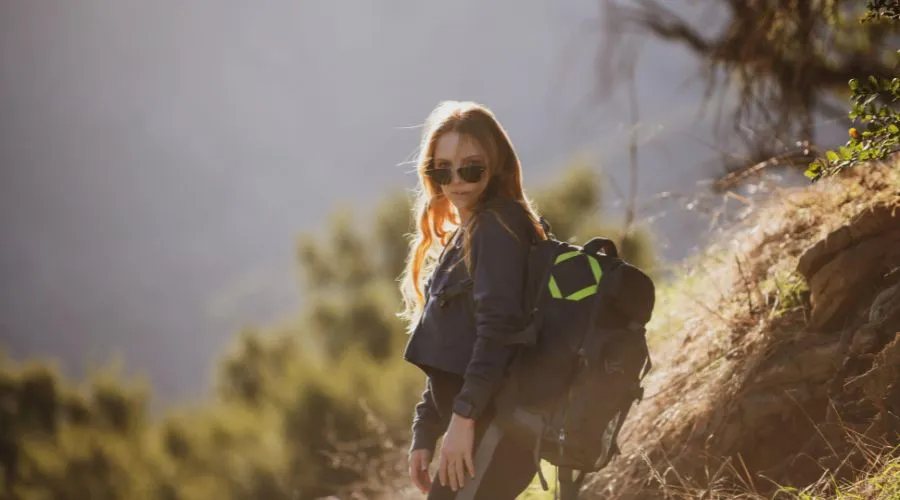
A moisture-wicking base layer helps regulate body temperature, a warm mid-layer provides insulation, and a waterproof, breathable outer shell protects you from wind and rain. This combination works across a wide range of climates and walking conditions, ensuring you stay warm, dry and comfortable. Also bring extra socks, waterproofs, sun protection (in warmer climates), and a hat.
Pro Tip : Avoid cotton where possible. It holds moisture and can make you feel cold and uncomfortable once wet.
4.Train with a Loaded Backpack before your European Walking Holiday
Walking on flat ground with empty hands is very different from trekking day after day with a fully loaded backpack. Even a light pack adds strain to your shoulders, back, and legs, especially over longer distances or uneven terrain.
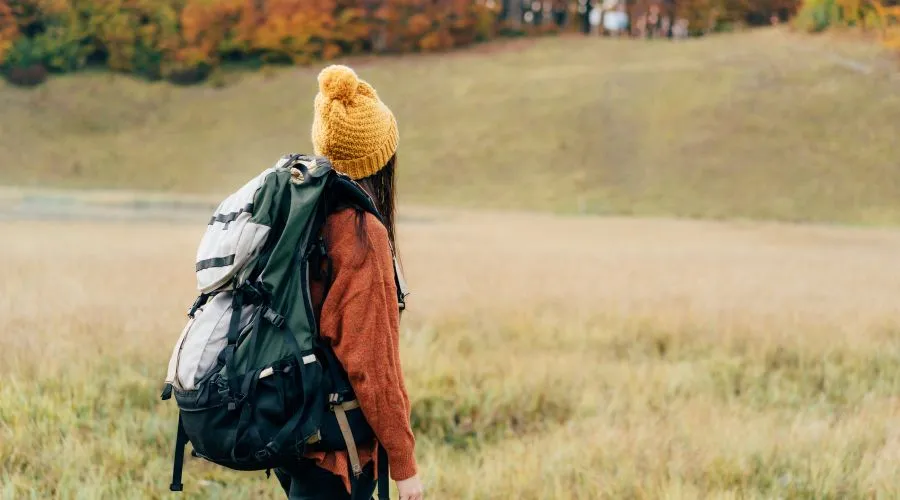
To prepare your body properly, practise walking with a backpack similar in weight to what you’ll carry on your holiday. Include water, snacks, waterproofs and extra layers so your body gradually adapts to the load. This trains your legs, back and shoulders, and helps you adjust to the added load gradually. It also helps you adjust the fit of your rucksack and identify any rubbing points early.
Regular training walks with a pack will improve your stamina and confidence, making the transition to multi-day walking much smoother and easier.
Pro Tip: A well-fitted backpack should feel stable and balanced, with most of the weight resting on your hips rather than your shoulders.
5.Pack Smart and Think Practicalities
Smart packing can transform your walking holiday experience. Choose a lightweight, comfortable rucksack with padded straps, a waterproof cover, and easy-access pockets for essentials like water and snacks. Overpacking is one of the most common beginner mistakes, so focus on practical items you’ll genuinely need.
Include essentials, such as navigation tools (a map and compass or GPS), a first-aid kit (with blister plasters), sufficient water, energy-boosting snacks, spare layers, rain protection, sun protection, and a charged phone or power bank.
If your walking holiday spans several days, consider whether luggage transfer services are available as many walking holidays use luggage-transfers, so you only need to carry a light daypack, while your main bag is transported ahead to your next accommodation.
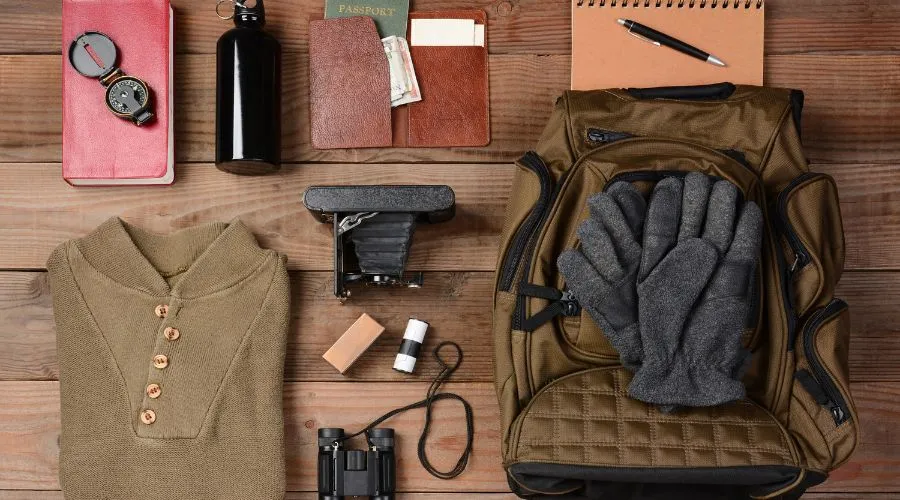
Pro Tip: Lay everything out before packing and remove at least one “just in case” item. Lighter packs make for happier walkers.
Final Thoughts on
5 Things You Need to Know Before Booking Your First European Walking Holiday
A European walking holiday can be one of the most rewarding ways to explore a destination, offering a slower pace, deeper connection to the landscape, and a real sense of achievement. With the right preparation, it doesn’t have to be intimidating or physically overwhelming.
By breaking in your footwear, choosing a route that suits your experience level, dressing for changing weather, training with a backpack, and packing thoughtfully, you set yourself up for enjoyment rather than endurance. Whether you’re walking through vineyards, coastal paths, or historic countryside trails, preparation allows you to focus on what truly matters: the scenery, the culture, and the pleasure of moving through Europe one step at a time.