If you’ve ever dreamed of wandering through sun-drenched vineyards, savoring rich reds paired with unforgettable local cuisine, then Wine Tourism Routes: Planning Your Next Gastronomic Journey is exactly what you need. Whether you’re gearing up for your first wine country adventure or refining your itinerary to perfection, this guide is your ultimate passport to curated routes, insider tips, and mouthwatering food pairings that turn a simple trip into a full sensory experience. Ready to sip, savor, and explore like a true connoisseur? Let’s dive into the world’s best wine regions, discover how to craft your dream itinerary, and start planning your next gastronomic journey today.
The 5 Golden Rules of Planning a Food + Gastronomic Wine Culture Journey
Planning your next wine tourism route with a focus on food and wine culture? Great! To create a seamless and unforgettable experience, follow these 5 golden rules. They’ll help you navigate vineyard tours and tastings with ease, ensuring every sip and bite hits the perfect note.
| Rule | What It Means | Why It Matters |
|---|---|---|
| 1. Choose your season | Harvest (busy, festive) vs shoulder (calm) | Harvest buzz means lively events; shoulder offers relaxed tastings and better deals. |
| 2. Decide your pace | Slow and immersive vs fast and packed | Your pace shapes how deeply you enjoy food & wine pairing trips without burnout. |
| 3. Match wine routes to your food taste | Bold reds or crisp whites? Meat-heavy or veggie-forward? | Selecting routes based on your palate maximizes gastronomic delights on each route. |
| 4. Book must-do experiences first | Private cellar tours, chef’s tables, hot air balloons | These in-demand spots fill fast—early booking means no missed memories. |
| 5. Build in rest + flexibility | Downtime and wiggle room | Keeps your energy up and allows spontaneous vineyard discoveries along the route. |
Quick tips on each rule:
-
Harvest Season vs Shoulder Season: Harvest is best for energetic foodies craving local festivals and grape stomping. Shoulder season means fewer crowds, boutique winery hotels with better rates, and calm vineyard walks.
-
Slow vs Fast Pace: Slow lets you savor each bite and swirl—think multi-course winery dinners and relaxed vineyard tours. Fast suits those packing multiple wine regions into a single trip.
-
Align Route with Taste: If you adore bold reds, Bordeaux or Napa’s Cabernet are your playgrounds. For crisp whites and seafood, Marlborough and Alsace shine.
-
Must-Do Experiences: Secure chef’s table dinners or wine tram rides early; they’re the heartbeats of your wine and food pairing trip.
-
Rest and Flexibility: Schedule vineyard naps or spontaneous tastings around your must-dos to avoid burnout and discover hidden gems.
Follow these rules, and your gastronomic wine culture journey will be as smooth as a fine Pinot on a warm Tuscan evening. Cheers to planning an unforgettable wine route itinerary!
The World’s 7 Best Wine Tourism Routes for Food Lovers (2026 Edition)
If you’re planning a gastronomic wine culture journey, here are the top wine tourism routes perfectly paired with unforgettable food experiences. Each route offers something unique for wine and food lovers alike.
-
Self-drive Tuscany, Italy
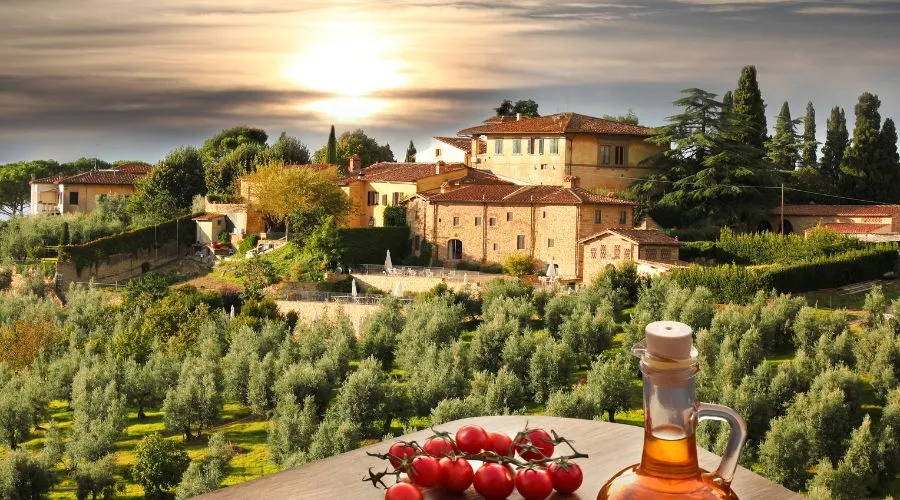
Explore Tuscany’s rolling vineyards at your own pace with self-drive wine routes or opt for private drivers and small group tours. Savor local specialties like bistecca alla fiorentina paired with Chianti Classico. This region blends picturesque vineyard tours with rustic farm-to-table meals, ideal for those craving authentic Tuscan flavors.
-
Bordeaux, France – Médoc & Saint-Émilion
Dive into classic Bordeaux wines while indulging in regional dishes like duck confit. Visit renowned classified growth châteaux, where vineyard tours and tastings reveal some of the world’s finest reds. This route is a dream for lovers of bold wines and rich gastronomy.
-
Napa & Sonoma, California, USA
Known for its cult Cabernet Sauvignons and vibrant farm-to-table scene, Napa and Sonoma offer contrasting vibes between harvest and shoulder seasons. Enjoy seasonal menus crafted with fresh local ingredients, perfect for pairing with robust reds or crisp whites.
-
Rioja & Ribera del Duero, Spain
Experience Spain’s wine gems offering a clear budget-friendly spectrum: budget, mid-range, or luxury options for vineyard tours and tastings. Pair your wines with hearty Spanish cuisines like jamón ibérico or lamb, revealing dynamic tastes across these celebrated regions.
-
Douro Valley, Portugal
This UNESCO-listed region requires advance booking for its best Michelin-starred restaurants and experiences like hot air balloon rides over terraced vineyards. Sip world-famous Port wines alongside modern Portuguese dishes for an elegant and unforgettable food and wine pairing trip.
-
Marlborough & Central Otago, New Zealand
Renowned for its zesty Sauvignon Blanc and adventurous food scene featuring fresh green-lipped mussels and lamb, New Zealand’s premier wine routes blend natural beauty with exceptional culinary highlights.
-
Alsace Wine Route, France
Explore winding routes through Alsace’s postcard villages, sampling aromatic Gewürztraminer alongside regional dishes such as choucroute garnie. This route delights fans of crisp whites and hearty yet refined Alsatian cuisine.
For those seeking itineraries that combine vineyard tours and tastings with the very best regional food, these wine tourism routes stand out. Whether you prefer a self-drive wine route in Europe or curated wine and food pairing trips in North America, these routes deliver spectacular culinary journeys.
For additional guidance on timing your trip perfectly, see our expert advice on the best time to travel and key tips on planning the ideal journey.
How to Choose the Perfect Wine Tourism Route for You
Picking the right wine tourism route comes down to your travel style, budget, and taste preferences. Here’s a quick decision matrix to help you decide whether you’re traveling solo, as a couple, with family, or friends — so you get the most out of your gastronomic wine culture journey.
| Travel Group | Best Wine Regions for You | Reason |
|---|---|---|
| Solo | Marlborough & Central Otago, Alsace Wine Route | Easy to navigate, great local food scenes |
| Couples | Douro Valley, Bordeaux Médoc & Saint-Émilion | Romantic wineries, luxury experiences |
| Family | Tuscany self-drive, Stellenbosch wine tram | Family-friendly tours, diverse food options |
| Friends | Napa & Sonoma, Rioja & Ribera del Duero | Lively atmosphere, great tastings |
Budget Preferences
- Budget: Rioja, Stellenbosch, and Mendonza offer affordable tastings, local eateries, and budget wineries.
- Mid-range: Napa Valley and Tuscany balance price and quality with farm-to-table spots and boutique winery hotels.
- Luxury: Douro Valley and Bordeaux boast Michelin-starred restaurants and private cellar tours.
Wine Preferences
| Wine Type | Recommended Routes |
|---|---|
| Bold Reds | Napa Valley (Cabernet), Bordeaux, Rioja |
| Crisp Whites | Marlborough (Sauvignon Blanc), Alsace |
| Sparkling & Rosé | Tuscany, Douro Valley |
Food Preferences
- Meat-Heavy: Bordeaux (duck confit), Ribera del Duero (roasts), Mendoza (grilled Malbec pairings).
- Veggie-Forward: Tuscany (seasonal farm produce), Alsace (choucroute with vegetarian options).
- Seafood: Marlborough (green-lipped mussels), Douro Valley (fresh river dishes).
Sample 5–10 Day Itineraries To Inspire You
| Region | Highlights |
|---|---|
| Stellenbosch | Wine tram tours, boutique hotels, local markets |
| Tuscany | Private drivers, farm visits, truffle hunting |
| Bordeaux & Central Otago | Classic growth tastings, local cheese & wine pairing |
| Napa Valley | Harvest season tours, cult Cabernets, farm-to-table dining |
| Mendoza | Malbec trails, vineyard picnics, Andean views |
For a deeper dive into planning your road trip and exploring hidden gems along the way, check out practical tips on how to plan an off-road wine journey. This makes sure every step of your gastronomic wine culture journey fits your style and taste perfectly.
Choosing the right wine route means matching your wine and food preferences with the vibe of the region — it’s what turns a good trip into a remarkable wine and food pairing trip.
Where to Stay – The Best Wineries with Rooms & On-Site Restaurants
When planning your gastronomic wine culture journey, staying right in the heart of the vineyard adds a special touch. We’ve handpicked 7 top wineries per route that offer cozy rooms and exceptional on-site restaurants, perfect for fully immersing yourself in wine and food pairing trips. Whether you’re exploring Tuscany’s rolling hills or the lush vineyards of Napa Valley, these boutique winery hotels blend comfort with authenticity.
Highlights include:
- Tuscany’s estate villas with private drivers or self-drive options for your wine road trip.
- Bordeaux châteaux where you can enjoy local duck confit paired with classified growths just steps from your room.
- Douro Valley lodges with Michelin-starred dining and panoramic views after your port wine route tasting.
- Marlborough vineyards offering fresh seafood-focused menus alongside sauvignon blanc tastings.
Booking these wineries early ensures access to exclusive cellar tours and farm-to-table dinners. Many feature direct booking, so you can plan your stay according to your preferred pace.
For detailed booking links and insider tips tailored to each route, check out our comprehensive guide on how to choose the best wine tourism destinations and accommodations to match your itinerary.
This approach helps you relax fully and savour every moment on your wine and food pairing trip.
Must-Book Experiences & Logistics
When planning your wine tourism routes and food-focused travel, booking key experiences 3–6 months in advance is essential. Popular activities like private cellar tours, exclusive chef’s table dinners, hot air balloon rides over vineyards, truffle hunting, and hands-on harvest participation fill up fast, especially during peak seasons.
Reserve early to secure spots at boutique winery hotels and coveted vineyard tours and tastings that highlight the best local wines and cuisine. This foresight ensures you don’t miss out on luxury wine vacations or immersive farm-to-table moments that make your gastronomic wine culture journey unforgettable.
For inspiration on unique culinary experiences linked to travel, explore carefully curated destination guides featuring top hotels and exclusive dining, which can help streamline your planning and guarantee access to must-do activities.
How to Pair Wine with Every Meal Like a Pro
Getting wine and food pairing right doesn’t have to be complicated. Here’s a simple 5-minute cheat sheet to help you match reds, whites, rosés, and sparkling wines with your meals like a pro on your next gastronomic wine culture journey.
-
Red Wines: Think bold and hearty. Pair Cabernet Sauvignon or Malbec with rich meats like steak, duck confit, or lamb. Pinot Noir works beautifully with lighter dishes like roasted chicken or mushroom-based meals.
-
White Wines: Crisp and refreshing whites like Sauvignon Blanc or Grüner Veltliner shine alongside seafood, green-lipped mussels, or vegetable-forward plates. Chardonnay, especially oaked, pairs well with creamy sauces and poultry.
-
Rosé: Versatile and crowd-pleasing, rosé pairs well with charcuterie, grilled veggies, or even spicy dishes, making it a great choice for mid-meal sips.
-
Sparkling: Champagne or other sparkling wines are perfect with salty appetizers, fried foods, or as a celebration wine with any dish. They also cut through rich, creamy textures beautifully.
Don’t forget regional pairing magic—wine tourism routes like Bordeaux famously link duck confit with classified growth reds, while Alsace’s gewürztraminer pairs beautifully with local choucroute. These tried-and-true combos offer unforgettable food and wine matching, making your gastronomic journey truly special.
For more insights on gourmet travel, check out our food and drink lifestyle tips to elevate your culinary adventures.
Budget Breakdown – Real Numbers for 2026
Planning a wine tourism route means getting a clear picture of your expenses. For 2026, here’s a rough breakdown to help you budget your gastronomic wine culture journey:
- Flights: Depending on your starting point, airfare can range widely. Booking well in advance often captures the best deals.
- Car rentals: Essential for self-drive wine routes in Europe or New Zealand. Expect daily rates from $40 to $100, depending on the vehicle and insurance.
- Accommodation: Boutique winery hotels or on-site vineyard stays can vary from $150 to $500 per night, depending on location and luxury level.
- Meals: A mix of farm-to-table spots and Michelin-starred dining will cost between $40 and $150 per person.
- Tastings and tours: Private cellar tours or harvest participation experiences typically cost $30 to $100 each.
How to Save 30% Without Losing the Magic
- Travel shoulder seasons: Choosing off-peak months can reduce flight and accommodation costs without compromising the vineyard atmosphere.
- Book must-do experiences early: Early reservations not only secure spots but sometimes come with early bird discounts.
- Mix high-end and local eats: Indulge in one or two luxury dinners but balance with charming local wine bars or casual eateries.
- Use public wine trams or bikes: In places like Stellenbosch or Tuscany, opting for local transport can cut rental and parking fees.
- Bundle tours and tastings: Some regions offer combined passes or packages that reduce the per-visit cost significantly.
For practical money-saving tips aimed at travelers, check out these great ways to save money on trips without losing the fun or authenticity of your journey. A well-planned wine and food pairing trip doesn’t have to break the bank—it’s all about timing, smart choices, and booking ahead.
Wine Packing & Practical Tips
Packing smart makes your wine tourism routes even better. Here’s what to keep in mind:
-
Shoes for vineyard walks: Choose comfortable, sturdy footwear with good grip. Vineyards can be uneven or muddy, especially during harvest season travel, so forget the heels or sandals.
-
Shipping wine home legally: Many regions have rules on how much wine you can bring back. Check customs regulations beforehand to avoid fines. Some wineries offer shipping services, which can be a safer, hassle-free option.
-
Must-have apps for wine travelers: Download apps for vineyard tours and tastings, local maps, and wine tracking. They help you keep notes and navigate wine road trips smoothly, whether self-drive wine routes in Europe or wine and food pairing trips elsewhere.
-
Driving vs private driver vs e-bike: Decide based on your comfort and itinerary. Driving gives freedom but requires caution after tastings. Private drivers or small group tours free you up to enjoy every sip without worries. For shorter routes or flat regions, an e-bike offers an eco-friendly, fun alternative that fits well with sustainable wine tourism practices.
For more practical travel tips, check out our guide on practical tips for first-time travelers to keep your trip seamless.
Sustainable & Responsible Wine Tourism
More travelers today want their wine tourism routes to reflect a commitment to sustainability and responsibility. Choosing wineries and producers that give back to their communities or prioritize eco-friendly practices not only enriches your experience but helps protect these regions for future visitors.
Wineries & Producers That Give Back
Look for vineyards involved in local conservation efforts, community projects, or fair labor practices. Many boutique winery hotels and farms lead the way in supporting biodiversity and preserving regional heritage. This conscious choice enhances your gastronomic wine culture journey with a meaningful connection to the land and its people.
Low-Intervention Wine Producers to Support
Low-intervention wine producers focus on natural grape growing and minimal cellar manipulation, resulting in authentic, terroir-driven wines. These sustainable wine producers often avoid chemicals and use organic or biodynamic methods, perfect for travelers interested in eco-friendly vineyard tours and tastings that respect nature’s balance.
Carbon Offset Tips
Offset your wine trip’s carbon footprint by choosing sustainable transport options where possible—consider self-drive wine routes Europe with electric or hybrid vehicles, or hire private drivers who use cleaner cars. Check if your winery stays offer carbon-neutral options and support vineyards investing in renewable energy. Small steps like packing reusable water bottles and minimizing single-use plastics during tastings keep your wine and food pairing trips truly sustainable.
For more on planning mindful travel, these top tips for a holiday combine comfort and care seamlessly.
Off-the-Beaten-Path & Emerging Wine Regions to Watch in 2026
If you’re looking to explore beyond the usual vineyard tours and tastings, 2026 is shaping up to be an exciting year for emerging wine destinations. These lesser-known regions not only offer unique wine and food pairing trips but are also perfect for travellers craving a fresh, authentic gastronomic wine culture journey.
British Columbia’s Wine Extension
Nestled in Canada’s rugged landscape, British Columbia’s wine regions are expanding rapidly. From lush vineyards producing elegant Pinot Noir to crisp whites that perfectly complement local seafood, this area is becoming a top choice for foodies seeking boutique winery hotels with a sustainable wine tourism ethos.
Bolivia’s Tarija
Bolivia’s Tarija region is quietly gaining attention for its high-altitude vineyards and rich Malbec varieties. This underrated spot pairs well with bold meat-heavy dishes, giving travellers a distinct and adventurous wine route itinerary that feels truly off the beaten path.
Greece’s Santorini & Nemea
Santorini’s volcanic soils give its gewürztraminer and Assyrtiko wines a unique character rarely found elsewhere. Combined with fresh seafood and traditional Greek fare like choucroute-style dishes, Santorini and Nemea offer an extraordinary culinary wine road trip for those who love crisp whites and vibrant local flavours.
England’s Sussex
The cooler climate of Sussex is ideal for sparkling wine production, rivaling Champagne. This emerging region blends picturesque vineyard walks with farm-to-table dining experiences that highlight sustainable wine tourism practices, appealing to travellers who value responsible travel alongside luxury wine vacations.
Exploring these emerging wine regions lets you enjoy novel flavours and authentic food experiences while supporting the next wave of boutique wineries. For a smooth and enjoyable trip, plan early and consider options like self-drive routes or private drivers to maximize your time in these up-and-coming destinations.
For more ideas on how to seamlessly blend your wine journey with wellness and comfort, check out this guide on seamlessly blending travel styles.