Every year, millions of travelers land in Thailand with one thing on their mind: the food. The sizzling woks, the clouds of steam, the rows of skewered meat — it’s hard to walk past. But alongside the excitement sits a real question: is eating from a street stall actually safe? In 2026, with new food safety initiatives rolling out across Bangkok and Chiang Mai, the answer is more nuanced than a simple yes or no. This guide breaks down the actual risks, the specific signs of a safe stall, and the mistakes that land people in trouble.
What Makes a Street Stall Safe? Four Visual Checks
You don’t need a lab kit. You need to look. Most foodborne illness from Thai street food comes from stalls that fail basic hygiene, not from the food itself. Here’s what to scan before ordering.
Check 1: The queue
If locals line up for it, the food is fresh and the turnover is high. A stall with a 10-person queue means ingredients are moving fast. Stalls with no customers and pre-cooked food sitting out — skip those.
Check 2: Ice and water
Ice in Thailand is almost always made from purified water and sold in sealed bags. That’s safe. But watch for drinks where ice is scooped from an open cooler with a bare hand. Bottled water is your safest bet for drinking. Avoid stalls that wash dishes in a single bucket of lukewarm water — that’s a red flag.
Check 3: Raw ingredients
Look at the raw meat and seafood. Is it on ice? Does it smell like the ocean or like ammonia? Pad Thai stalls usually cook everything to order, so the heat kills most pathogens. The bigger risk is cold dishes like Som Tum (papaya salad) where raw produce sits out. If the stall looks clean and the ingredients are chilled, you’re fine.
Check 4: The cook’s hands
Do they handle money and food without washing? That’s a problem. Many stalls now use tongs or gloves for food and a separate person for cash. This is standard in Bangkok’s better-rated stalls.
A 2026 study from Mahidol University found that stalls with visible handwashing stations had 40% lower bacterial counts on food samples. That’s a simple proxy: if they have soap and water, they care.
Three Common Mistakes That Lead to a Bad Belly
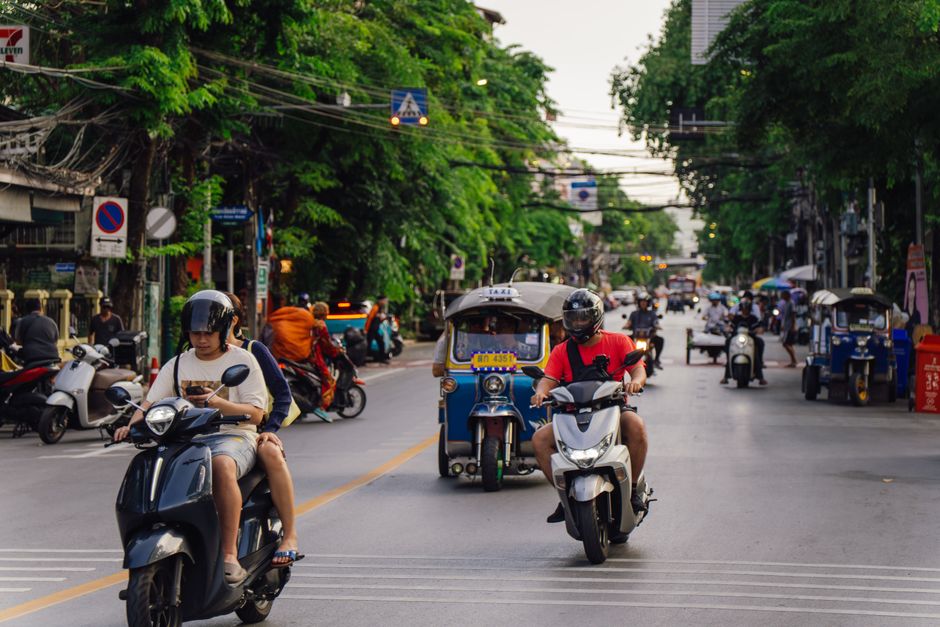
Most travelers don’t get sick from the food itself. They get sick from what they do wrong. Here are the three most common errors.
Mistake 1: Drinking tap water. Even in fancy hotels, tap water in Thailand is not treated to the same standard as in the US or Europe. Use bottled water for drinking and brushing teeth. Ice is fine — as noted, it’s commercially produced.
Mistake 2: Eating only from tourist-heavy areas. Khao San Road in Bangkok has stalls that cater to Western palates, but the turnover is lower and prices higher. The food often sits longer. A better bet is a market like Or Tor Kor or a soi (side street) where Thais eat.
Mistake 3: Ordering raw or rare dishes from unknown stalls. Khao Soi (curry noodle soup) is boiled. Safe. Grilled Moo Ping (pork skewers) is cooked through. Safe. But raw shrimp in a Som Tum, or undercooked chicken from a stall that looks slow — that’s where the risk spikes. Stick to fully cooked food from stalls with high turnover.
One more thing: food poisoning symptoms usually appear 6–24 hours after eating. If you feel fine at the stall but sick the next morning, it was likely the previous day’s meal. Keep a mental log of what you ate and where.
Regional Differences: Bangkok vs. Chiang Mai vs. Phuket
Food safety standards vary across Thailand. Here’s a quick comparison based on 2026–2026 municipal inspection data and local health department reports.
| City | Stall Inspection Rate (2026) | Common Risk | Best Bet |
|---|---|---|---|
| Bangkok | ~70% of registered stalls inspected annually | Tap water in drinks, old frying oil | Or Tor Kor Market, Chinatown (Yaowarat) |
| Chiang Mai | ~55% | Raw pork dishes (larb, sai oua) | Chang Phueak Night Market, Sunday Walking Street |
| Phuket | ~45% | Seafood left out too long | Rawai Seafood Market, Phuket Town Sunday Market |
Bangkok has the most robust inspection system. The city’s Street Food Quality Assurance Program issues colored certificates (green = pass, yellow = needs improvement). Look for a green sticker near the price board. Chiang Mai and Phuket have similar programs but with less enforcement. In Phuket, stick to seafood stalls that cook to order and keep raw fish on ice.
If you’re in a smaller town like Ayutthaya or Sukhothai, the rules are simpler: eat where the monks eat. Seriously. Temples often have affiliated stalls that serve clean, simple food. It’s not fancy, but it’s safe.
When NOT to Eat Street Food
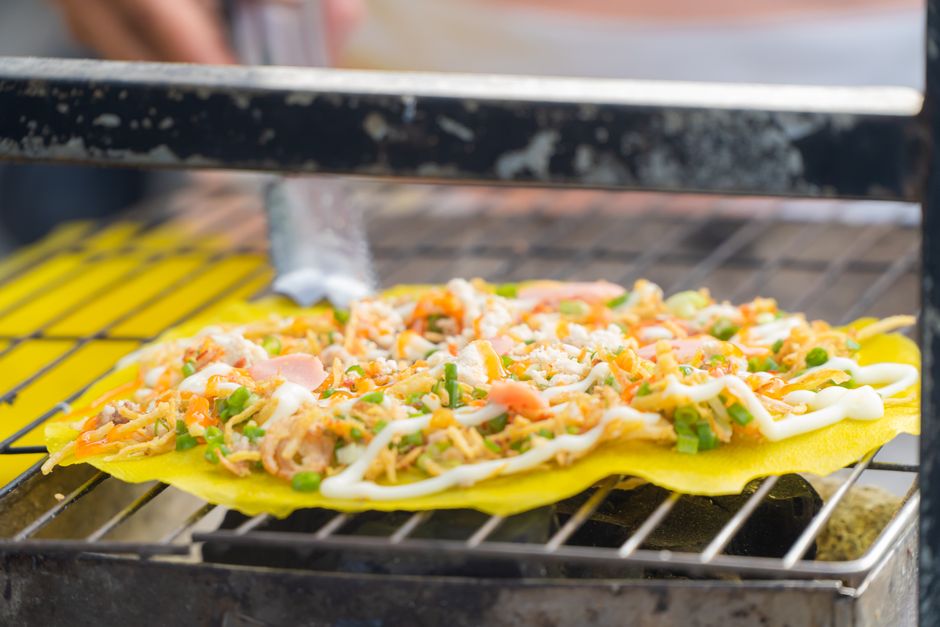
Street food is not for everyone, and not for every situation. Here’s when you should pass.
If you have a compromised immune system. That includes recent chemotherapy, organ transplant, HIV with low CD4 count, or pregnancy. The risk of bacterial infection (Salmonella, Campylobacter, Listeria) is real and can be severe. Stick to sit-down restaurants with kitchens you can see.
If you’re on a tight itinerary. If you have a flight in 12 hours or a long bus ride, don’t experiment. A bad reaction can derail your plans. Eat at a hotel buffet or a restaurant with good reviews on Google Maps.
If the stall fails the visual check. No queue, no gloves, no ice, old food sitting out. Walk past. There’s another stall 20 meters away.
If you have a known allergy. Thai street food uses fish sauce, shrimp paste, peanuts, and oyster sauce in almost everything. Language barriers make it hard to confirm ingredients. Carry a Thai allergy card and consider skipping stalls where cross-contamination is likely.
For most healthy adults, the risk is low. The CDC estimates that food poisoning affects roughly 30% of travelers to Southeast Asia, but most cases are mild and resolve in 24–48 hours. The reward — a bowl of Khao Soi from a Chiang Mai stall that’s been operating for 40 years — is worth it for most people.
The Verdict: Is It Worth the Risk?
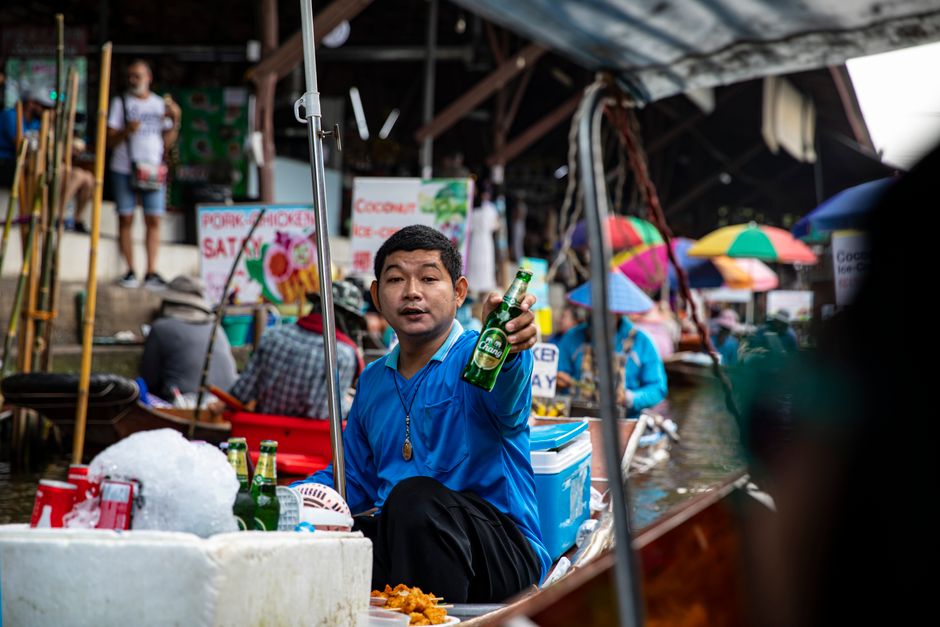
Yes, with conditions. The risk of serious illness from Thai street food is low for healthy adults who choose stalls carefully. The reward is access to food that is fresher, cheaper, and often better than what you’ll find in restaurants. A plate of Pad Thai from a busy Bangkok stall costs about 60 baht ($1.70). The same dish in a sit-down restaurant runs 150–250 baht and may not taste as good.
The Thai government’s 2026–2026 Street Food Safety Campaign has pushed for better training, more inspections, and public certification. It’s working. In Bangkok’s top 10 food markets, reported foodborne illness cases dropped 22% between 2026 and 2026.
Your strategy: eat at busy stalls, drink bottled water, avoid raw dishes from unknown sources, and carry oral rehydration salts just in case. That’s it. You don’t need to avoid street food. You need to approach it with the same common sense you’d use at a county fair or a food truck back home.