I landed in Hanoi with one question: is the pho actually that good, or is it just Instagram hype? Seventeen days later, after 40+ meals across three cities, I have a spreadsheet of notes, a few stomach regrets, and a definitive answer. It’s not what I expected.
Here’s the thing. Most Vietnam food content falls into two camps: breathless praise or contrarian dismissal. Neither is useful. What you need is someone who ate at both tourist landmarks and plastic-stool holes-in-the-wall, and can tell you where the line actually sits.
This is that audit. Specific stalls, exact prices in Vietnamese dong and USD, and a few meals I’d skip next time.
The Pho Hierarchy: What $1.50 Gets You vs. What $4 Gets You
Pho is not one dish. It’s a spectrum. At the bottom end, you’re getting pre-cooked noodles, lukewarm broth, and beef that’s been sitting out since 6am. At the top end, you’re getting a 12-hour bone broth, hand-sliced rare beef, and herbs picked that morning.
The price difference is small in absolute terms. That’s the trap. You save $2.50 and end up with a bowl you’d send back in a U.S. restaurant. Don’t.
Hanoi: Pho Gia Truyen (49 Bat Dan, Old Quarter)
This place is famous. Lines out the door by 7:30am. I paid 70,000 VND ($2.75) for a bowl of pho bo tai (rare beef). The broth is darker than what I was used to, more star anise and cinnamon forward. The beef is sliced to order, not pre-cooked. This is the benchmark. If you only eat one bowl of pho in Vietnam, eat here. Go before 7am to avoid the tour groups.
Saigon: Pho Le (413-415 Nguyen Trai, District 5)
Different beast entirely. Southern pho is sweeter, more herbs, more bean sprouts. Pho Le has been running since 1950 and it shows in the broth depth. 80,000 VND ($3.15) for a bowl that would cost $14 in the U.S. The brisket here melts. I went twice. No regrets.
What I’d Skip
Any pho stall directly facing a major tourist attraction. The pho near Hoan Kiem Lake with the laminated menus and photos? 50,000 VND ($1.95) but the broth was thin and the noodles were mushy. The lesson: walk three blocks in any direction and you’ll find better food for the same price.
Banh Mi Breakdown: The $1 Sandwich That Beats Your $14 Deli Lunch
Banh mi is the perfect food. Crusty baguette, pate, cold cuts, pickled vegetables, cilantro, chili. It’s portable, cheap, and when done right, better than any sandwich I’ve eaten in New York or London.
But not all banh mi are created equal. The bread matters more than you think. Stale bread ruins the whole thing. You want a baguette that shatters when you bite it, then gives way to a soft interior.
Hoi An: Banh Mi Phuong (2B Phan Chau Trinh)
Yes, the Anthony Bourdain spot. Yes, it’s touristy. Yes, it’s still worth it. I paid 35,000 VND ($1.40) for the mixed banh mi. The pate is rich, the pork is well-seasoned, and the bread is baked in-house every hour. The line moves fast. Go at 10:30am, not noon.
Hanoi: Banh Mi 25 (25 Hang Ca)
This is the tourist favorite in Hanoi and honestly? It’s fine. The fillings are generous but the bread isn’t as crisp as Phuong’s. 40,000 VND ($1.55). If you’re in the Old Quarter, it’s convenient. But Banh Mi Pho Co around the corner is better and has no line.
The Generic Tip
Look for the stall where the baguettes are in a glass case and the vendor is actively slicing and assembling, not pulling pre-made sandwiches from a warmer. Pre-made banh mi have soggy bread. Always. This rule saved me from two bad sandwiches.
Bun Cha and the Dish That Changed My Mind
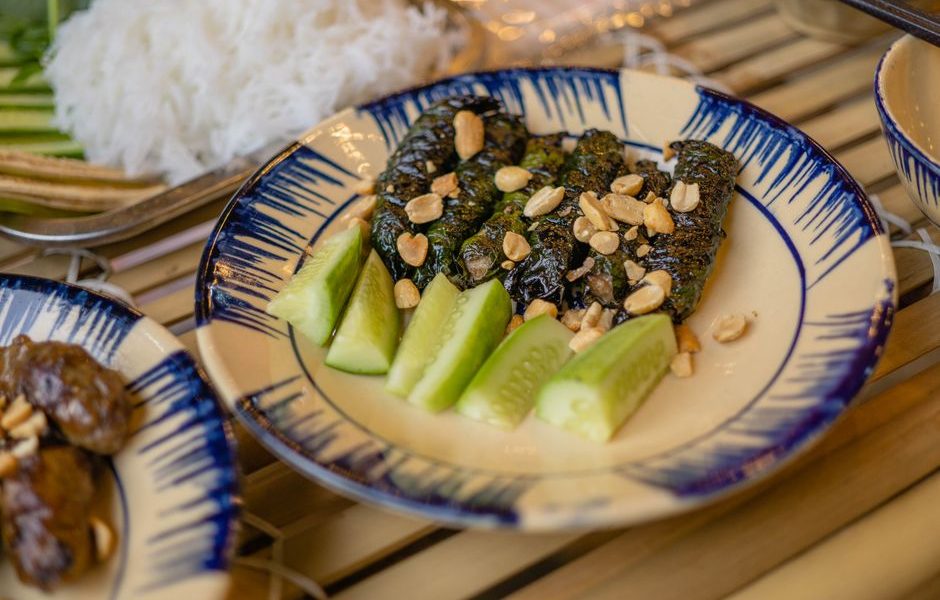
I didn’t plan to eat bun cha. It wasn’t on my list. But after three days of pho and banh mi, I needed something different, and a Hanoi local pointed me to Bun Cha Huong Lien (24 Le Van Huu). This is the place Obama ate with Bourdain. The “Obama combo” is 90,000 VND ($3.50) and includes grilled pork patties, pork belly, rice noodles, herbs, and a bowl of broth that’s sweet, sour, and savory at once.
This dish changed my understanding of Vietnamese food. It’s not just pho and banh mi. The grilled pork has a charcoal smokiness that cuts through the fish sauce broth. You dip the noodles in the broth, wrap pork in herbs, and eat it all together. It’s interactive in a way pho isn’t.
The failure mode here is ordering wrong. If you ask for “everything,” you’ll get a plate of herbs you don’t recognize and won’t know what to do with. Watch what locals do first. Tear the herbs, drop them in the broth, use the lettuce to wrap the pork. It clicks fast.
Regional Differences That Actually Matter
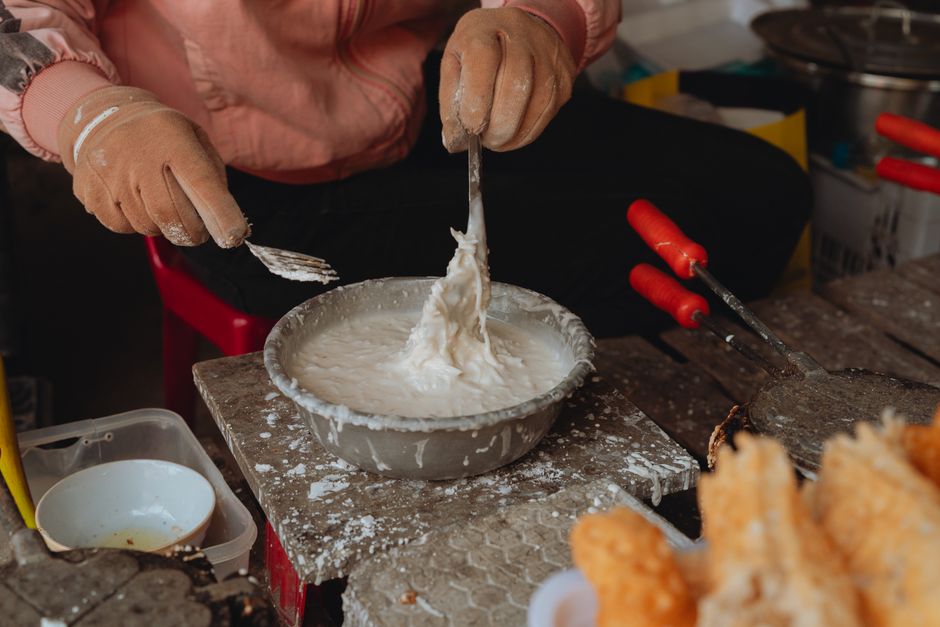
Vietnamese food is not monolithic. The pho in Hanoi tastes different from the pho in Saigon. The bun cha in the north doesn’t exist in the south. If you travel Vietnam expecting the same dishes everywhere, you’ll be confused and disappointed.
| Dish | Hanoi (North) | Hoi An (Central) | Saigon (South) |
|---|---|---|---|
| Pho | Clear, savory, minimal herbs | Less common, tourist versions | Sweet, more herbs, bean sprouts |
| Banh Mi | Pate-forward, simpler fillings | Wider variety, more sauces | More cold cuts, pickled carrots |
| Signature dish | Bun cha | Cao lau, white rose dumplings | Com tam (broken rice) |
| Broth profile | Salty, fish sauce heavy | Balanced, chili-forward | Sweeter, coconut milk appears |
Hoi An deserves a special mention. The cao lau noodles are made with water from a specific well in the city, which sounds like marketing but the texture is genuinely different — chewier, denser. You can’t get this dish anywhere else. If you’re in Hoi An, skip the pho and eat cao lau at Morning Glory (106 Nguyen Thai Hoc). 75,000 VND ($2.95).
What I Got Wrong (And What You Should Avoid)
I made mistakes. You should learn from them instead of repeating them.
- Eating at the first stall I saw after landing. I was hungry, tired, and grabbed pho at a tourist strip near my Hanoi hotel. It was 45,000 VND and forgettable. The next morning I walked 10 minutes to Pho Gia Truyen and the difference was night and day. Always walk past the first three restaurants.
- Ignoring the ice rule. I drank iced coffee from a street cart on day 3. Big mistake. The ice was made from tap water. I spent 24 hours in my hotel room. After that, I only drank from places with clear ice cubes with holes in them (the holes mean factory-made, not tap-frozen).
- Not carrying small bills. Street vendors rarely have change for 500,000 VND notes ($20). I held up a line at a banh mi stall for five minutes while the vendor ran to a neighbor for change. Carry 20,000 and 50,000 VND notes at all times.
- Ordering “safe” food. I ordered fried rice at a Hoi An restaurant because I was tired of trying new things. It was the worst meal of the trip. The kitchen wasn’t set up for it. Order what the stall specializes in, not what you’re comfortable with.
The Verdict: Was the Pho Really That Good?
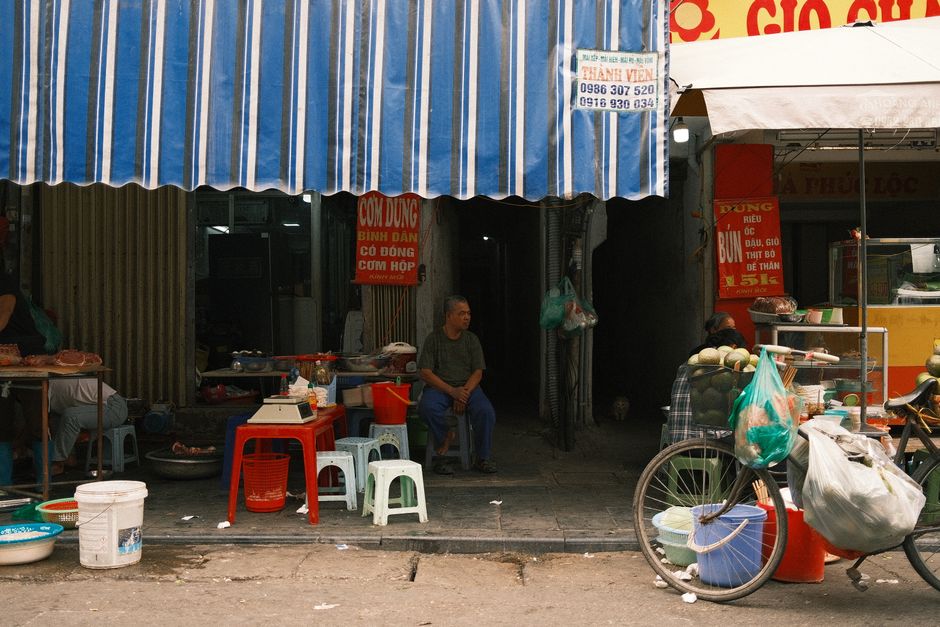
Yes. With one caveat.
The pho at Pho Gia Truyen in Hanoi and Pho Le in Saigon is genuinely exceptional. It’s not hype. The broth depth, the freshness of the herbs, the texture of the rice noodles — I’ve eaten at Vietnamese restaurants in the U.S. for years and nothing comes close. The difference is the bones. Vietnamese pho broth uses bones that simmer for 10-12 hours. Most U.S. restaurants cut that to 4-6 hours and add MSG to compensate. You can taste the difference immediately.
The caveat: average pho in Vietnam is just average. It’s cheap and convenient but not transcendent. The gap between a 45,000 VND bowl and a 70,000 VND bowl is massive. Spend the extra dollar. Always.
My final tally: 17 days, 40+ meals, roughly $180 total spent on food. That’s $10.60 per day for three meals. In the U.S., that wouldn’t cover one sit-down lunch. The value proposition of Vietnamese street food is unmatched, but only if you know where to go.
The real question I have now is whether the regional cuisines of Thailand or Malaysia can compete. Vietnam set a high bar. I’m planning a Chiang Mai trip next year to find out.