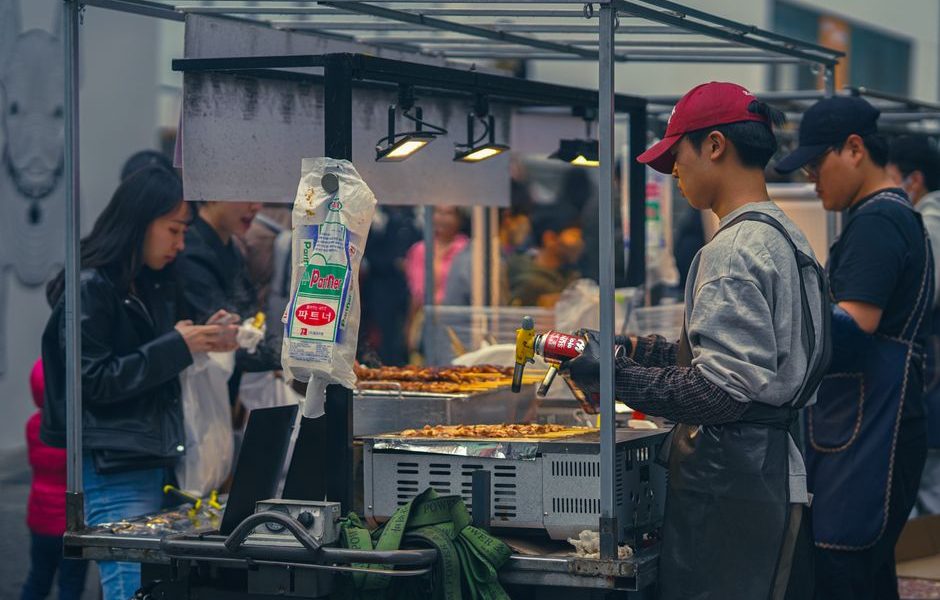
Most travelers assume that if a Thai street stall looks dirty, the food will make them sick. That’s backwards. The cleanest-looking stall with a fancy menu board and stainless steel surfaces can serve you something that ruins your trip. The weathered cart with a grumpy grandma who’s been frying the same thing for 30 years? That’s usually the safest bet.
The real risk isn’t visible grime. It’s cross-contamination from raw meat, ice made from tap water, and sauces left out in the sun for six hours. This guide covers exactly what to look for, what to avoid, and how to eat your way through Thailand without spending a day in the bathroom.
How to Pick a Safe Street Food Stall
Your eyes and nose are better tools than any app rating. Here’s the checklist I use after 40+ stalls across Bangkok, Chiang Mai, and Phuket.
The Queue Test
If locals line up for a stall at 11:30 AM, that’s your green light. A constant stream of Thai customers means the food is fresh — high turnover prevents ingredients from sitting out. At Yaowarat Road in Bangkok, the stalls with 20-minute queues at lunch aren’t just popular; they’re safe because everything gets cooked and sold within an hour.
Look for High Heat, Not High Gloss
Watch the cooking surface. A wok that’s smoking hot kills bacteria. A lukewarm pan that’s been sitting with half-cooked noodles? Skip it. Pad Thai should be cooked to order in a screaming-hot wok, not reheated from a pile. Same for Moo Ping (grilled pork skewers) — the coals should be glowing, not smoldering.
Dry Storage Matters More Than Decor
Check where they keep the raw ingredients. Raw chicken should be in a cooler, not on a counter next to chopped herbs. At Chatuchak Market, I watched a stall keep raw shrimp in a styrofoam box with ice packs — that’s fine. The stall next to it had shrimp sitting in a bowl of room-temperature water. Easy choice.
Red Flags That Are Non-Negotiable
- Flies on the food — if they’re landing on cooked items, walk away
- Staff touching money then handling food without a glove change or hand wipe
- Sauces in direct sunlight for more than 30 minutes
- Raw meat juices pooling near cooked food or garnishes
- No visible ice chest for drinks that need cooling
Bottom line: Pick the stall with the longest line of Thai people, the hottest wok, and the driest storage. Everything else is secondary.
What to Drink (and What Never to Drink) at Thai Markets

Dehydration in 35°C heat is a real problem. But the wrong drink can hit you harder than the heat.
Ice: The Good News
Most ice in Thailand is factory-made from purified water. You’ll see it sold in clear plastic bags with a hole punched in the corner — that’s the safe stuff. The blocks are hollow in the center, which is a sign of industrial production. 7-Eleven ice is always safe. So is ice from any stall that gets deliveries from a supplier with a truck.
The ice to avoid: hand-shaved ice from a block that’s been sitting in an open cooler. If you see a vendor hacking chunks off a large block with a pick, that ice was likely made from tap water. Ask for no ice or bring your own bottle.
Fresh Fruit Shakes: Proceed With Caution
That beautiful mango or dragon fruit smoothie at a market stall? It’s only as safe as the water used to wash the fruit and rinse the blender. At Khao San Road, many stalls use tap water. At higher-end markets like Or Tor Kor, they use filtered water. Ask: “Nam plao?” (filtered water?) before ordering. If they look confused, skip it.
The Safest Drinks
| Drink | Safety Level | Why |
|---|---|---|
| Bottled water (7-Eleven) | Safe | Sealed, factory-produced |
| Canned soda / beer | Safe | Sealed, no water contact |
| Hot tea (from a thermos) | Safe | Boiling water kills pathogens |
| Coconut water (fresh-cut) | Moderate risk | Safe if cut in front of you with a clean knife |
| Fresh fruit shake (market stall) | Variable | Depends on water source; ask first |
| Ice from hand-shaved block | High risk | Likely tap water, skip it |
The Five Foods Most Likely to Cause Problems
Not all street food carries the same risk. These five items cause the most traveler stomach issues in Thailand.
1. Raw or Partially Cooked Seafood
Pla Ra (fermented fish) and Koi Pla (raw fish salad) are traditional Isaan dishes. They’re also the leading cause of parasitic infections in northern Thailand. The fermentation process doesn’t kill all pathogens. Skip anything raw unless you’re at a trusted restaurant, not a market stall.
2. Som Tum (Papaya Salad) with Pla Ra
The standard Som Tum Thai (with peanuts and dried shrimp) is generally safe because the lime juice and chili provide some acidity. But Som Tum Pla Ra adds fermented fish sauce that’s often made at home with inconsistent hygiene. Stick to the version without it.
3. Lukewarm Fried Rice or Noodles
Fried rice and pad see ew should be served piping hot. If you grab a container that’s been sitting under a heat lamp for 45 minutes, the temperature has dropped into the danger zone (4°C–60°C) where bacteria multiply fast. Only order from stalls that cook per order.
4. Cut Fruit Without a Cover
Pre-cut mango, pineapple, and watermelon displayed on open counters collect dust, exhaust fumes, and fly landings. If the vendor isn’t covering the fruit with a mesh dome or glass case, buy a whole fruit and ask them to cut it in front of you. Mango sticky rice is safer because the coconut milk is heated and the mango is typically cut to order.
5. Buffet-Style Curry Pots
Some markets have stalls where you pick from a row of metal trays filled with curries and stir-fries. These sit at room temperature for hours. The green curry might look fine, but coconut milk spoils fast. Only eat from these stalls if you see steam rising from every tray — otherwise, skip it.
When to Say No: Markets and Times to Avoid
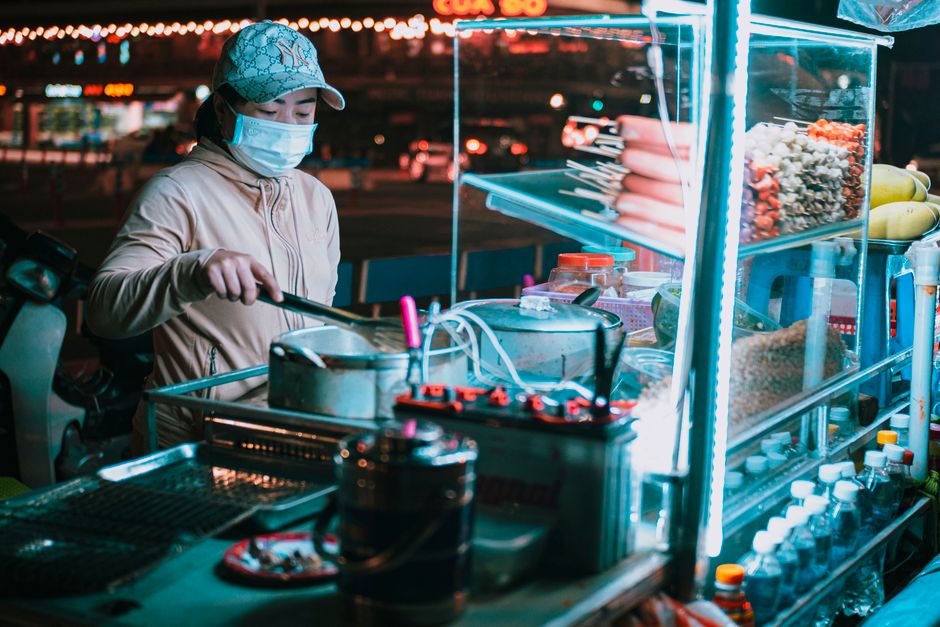
Timing and location matter more than most travelers realize.
Avoid Night Markets on Rainy Evenings
Rain washes dirt, animal waste, and runoff from streets into open stalls. Vendors often don’t move their ingredients indoors during a downpour. After a heavy rain at Chiang Mai’s Sunday Night Market, the floodwater splashes up onto prep surfaces. Eat at covered food courts or indoor markets on wet days.
Skip the Tourist Corridor Stalls at Midnight
On Khao San Road and Patong’s Bangla Road after midnight, the food has been sitting out for hours. The vendors are tired, the ice is melting, and the turnover is low. The same pad thai that was safe at 7 PM is a gamble at 1 AM. Eat earlier or stick to 7-Eleven toasted sandwiches for late-night cravings.
The One Exception: Yaowarat Road After 10 PM
Bangkok’s Chinatown is the exception. The stalls on Yaowarat Road are busiest from 10 PM to midnight. The turnover is so high that food doesn’t sit. The roasted duck and seafood platters at stalls like T&K Seafood are safe even late because they’re cooking constantly. This is the one place where late-night eating works.
Your Backup Plan: What to Do If You Get Sick
Even with perfect precautions, travelers get food poisoning. Here’s the practical response.
Stock Your Kit Before You Go
Pack oral rehydration salts (ORS) — they’re cheap and save you from dehydration. Bring loperamide (Imodium) for emergencies like long bus rides, but don’t use it to stop diarrhea completely; your body needs to flush the pathogen. Charcoal tablets can help absorb toxins if taken within an hour of eating something bad.
Know Where to Go
Thailand has excellent public hospitals. Bangkok Hospital and Bumrungrad International have English-speaking staff and treat food poisoning effectively. A consultation costs 1,000–2,000 THB ($30–$60) without insurance. Private clinics in tourist areas often overcharge and prescribe unnecessary antibiotics. Go straight to a hospital.
The 24-Hour Rule
Most food poisoning resolves within 24 hours. If you’re still vomiting or have bloody stool after 24 hours, see a doctor. If you can’t keep water down for 6 hours, go to a hospital for IV fluids. Don’t tough it out — dehydration hits fast in tropical heat.
The real takeaway: Thai street food is safer than most travelers think. The risks are predictable and avoidable. Eat where locals eat, drink sealed beverages, and trust your nose. Your stomach will thank you.