You step off the ferry at Eminönü just before noon. The air smells of grilled fish, sesame, diesel, and the sea. You have one free afternoon, a warm phone in your pocket, and no interest in spending it inside a hotel restaurant. The useful question is not simply what Istanbul serves. It is what travels well in summer, which neighbourhoods do each dish properly, and how much cash you should carry.
Street food in Istanbul rewards short walks and good timing. Start early for bread and breakfast, save seafood for busy stalls with fast turnover, and move toward Kadıköy or Beşiktaş when the Old City becomes crowded. The prices below are practical 2026 planning ranges in Turkish lira, not fixed menus. Inflation and location can change the bill within a week.
What should you eat first in Istanbul?
The five-bite shortlist
For a first food walk, choose foods that show different parts of Istanbul’s eating culture: a sesame bread ring for breakfast, fish by the Golden Horn, stuffed mussels with lemon, a late-night meat sandwich, and a loaded baked potato. The Istanbul Governor’s street-food guide also highlights simit, balık ekmek, corn, lokma, and other foods as part of the city’s everyday food culture.
| Food | Where to find it | Typical 2026 price | Best time |
|---|---|---|---|
| Simit | Red carts around ferries, tram stops, and markets | 20–35 TL | 07:00–10:00 |
| Balık ekmek | Eminönü and the Karaköy waterfront | 200–300 TL | 11:30–14:00 |
| Midye dolma | Kadıköy, Karaköy, Beyoğlu | 15–30 TL each | 17:00–22:00 |
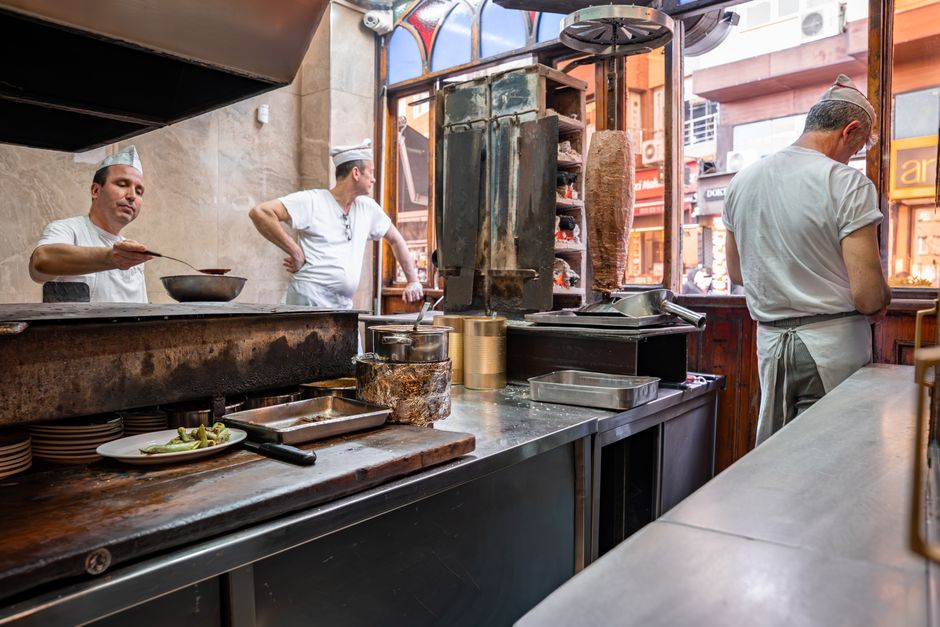
| Kokoreç | Beşiktaş and Beyoğlu side streets | 250–500 TL | 21:00–01:00 |
| Kumpir | Ortaköy stalls | 350–600 TL | 17:00–23:00 |
My clear first-day verdict
Eat simit and tea in the morning, balık ekmek beside the water for lunch, and midye dolma in Kadıköy after sunset. Add kokoreç only if you enjoy strong flavours and rich food. Choose kumpir when you want a filling meal rather than a quick taste. Şampiyon Kokoreç is a recognizable name for the late-night option, but the busy local stall with a visible cooking line can be just as useful for a traveller who wants speed and freshness.
Which Istanbul neighbourhoods have the best street food?
Follow this four-stop route
- Eminönü and Karaköy: Begin near the ferry docks. Buy a simit for the walk, then compare the fish sandwiches around the waterfront. Cross Galata Bridge if the first queue looks aimed only at tour groups. The Karaköy side often feels less compressed and gives you more room to sit.
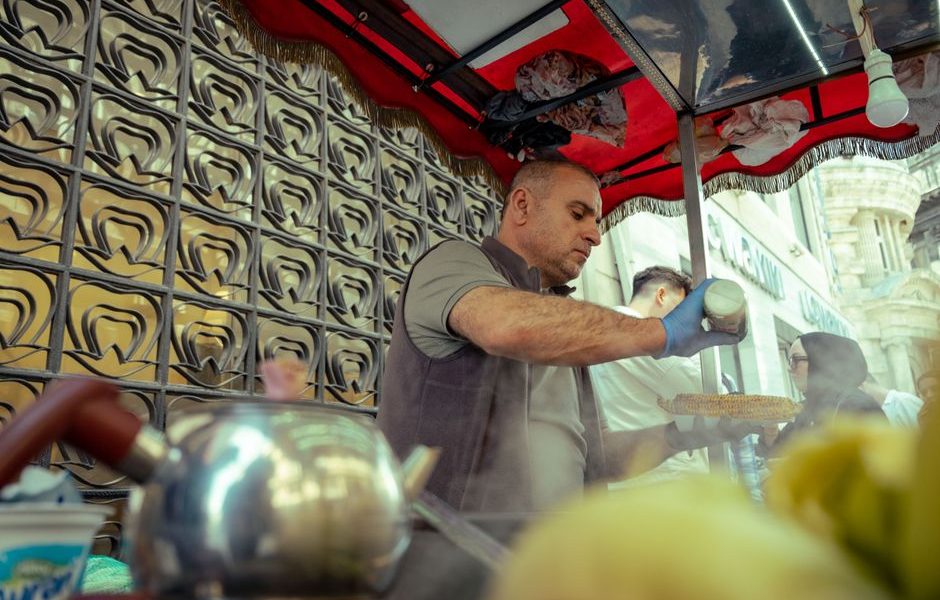
- Kadıköy Market: Take the ferry from Karaköy or Eminönü in the late afternoon. This is the strongest stop for browsing. You will find midye dolma, dürüm, roasted corn, pickles, sweets, and small bakeries close together. Look for stalls with a steady local queue rather than an empty display piled high before dinner.
- Beşiktaş: Arrive after 19:00 for grilled meat, kokoreç, döner, and quick sandwiches. The student and football crowds keep turnover high. The area works especially well when you want a substantial meal without committing to a long restaurant dinner.
- Ortaköy: Finish beside the mosque and waterfront with kumpir. The baked potato is large enough to replace dinner, but prices rise near the view. Buy one to share if you are still sampling foods.
What to skip on the route
Do not build the whole day around Sultanahmet’s busiest restaurant strip. You can find decent food there, but the most famous square is not automatically the best-value street-food district. Avoid any seller who cannot show the price before serving, especially when the food is sold by weight or by piece. A quick question in Turkish helps: Ne kadar? means how much?
For a lower-cost route, keep the ferry ride and move your main meal to Kadıköy. A 2026 food guide places simit at roughly 20–25 TL and central balık ekmek at roughly 260–300 TL, which shows why the waterfront location matters as much as the dish itself. Treat every price as a range and check the board before ordering.
How can you eat street food safely in Istanbul’s summer heat?
Use turnover as your first safety check
Summer changes the risk calculation. Heat speeds up spoilage, and a tray that looked fresh at breakfast may have sat in the sun by late afternoon. Your best signal is not a polished sign. It is movement. Choose a stall that serves many customers, replaces food often, keeps cold items shaded or chilled, and cooks hot food in front of you.
For seafood and filled foods, timing matters more than bravery. Eat them during the busiest part of the day, when the vendor is opening fresh stock or serving a constant line. Avoid a quiet cart with lukewarm trays, uncovered ingredients, or a seller who handles cash and food without changing gloves or washing hands. One doubtful snack is not worth losing a day of ferry rides.
Build a heat-proof food walk
Carry water, but do not treat a cold drink as a substitute for hydration. Start with a small portion and leave space between rich foods. The combination of sun, walking, salty fillings, and sweet drinks can make a normal meal feel heavy within an hour. Sit in shade after eating instead of immediately climbing the next hill.
- Eat bread-based breakfast foods before the heat becomes intense.
- Save oily or heavily seasoned foods for evening.
- Use hand sanitizer before eating, especially after ferry rails and cash machines.
- Skip raw garnishes that look wilted or warm.
- Choose sealed bottled water if you are not used to the local water supply.
Know your personal limits
People with shellfish allergies should avoid stuffed mussels and ask about shared utensils. Travellers with sensitive stomachs should begin with freshly cooked bread, corn, or grilled food before trying chilled or room-temperature items. If you develop serious symptoms, seek medical help rather than trying to walk them off. The smart summer rule is simple: busy, hot, visible cooking wins.
What is the best time of day for Istanbul street food?
My strongest summer recommendation
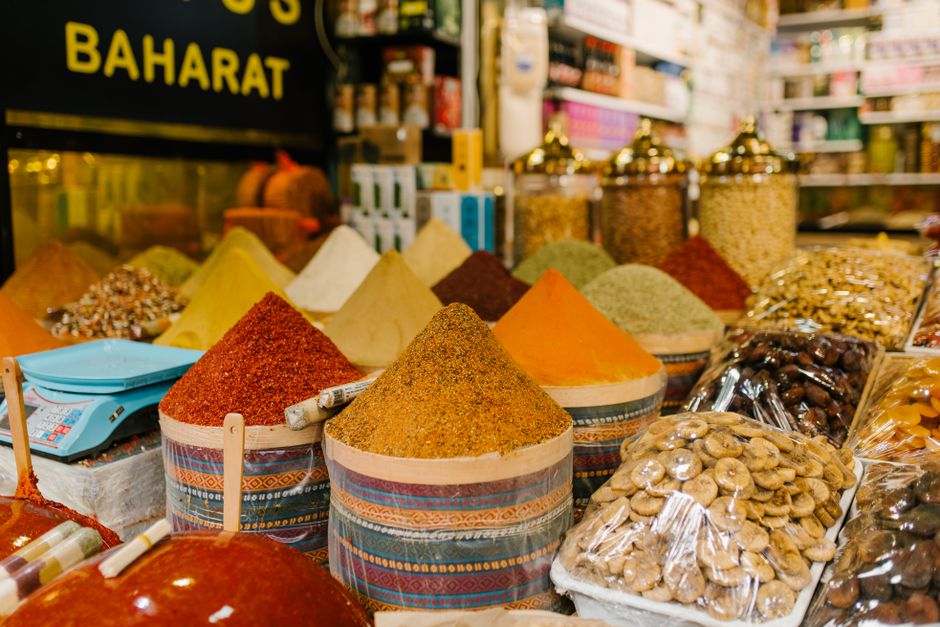
Eat by the clock, not by the landmark. The best street food experience starts with a 08:00 simit, reaches the waterfront around noon, moves to Kadıköy after 17:00, and ends with a late meat sandwich only if you still feel comfortable. This schedule follows freshness, shade, and local eating habits.
When not to buy the famous dish
Do not force yourself to eat balık ekmek at the hottest point of the afternoon if the fish looks dry or the line has disappeared. Do not buy kumpir simply because Ortaköy is famous if you already ate a full lunch. Do not order a large kokoreç portion before a ferry ride if rich food usually makes you sluggish. The better alternative is a smaller portion, a shared dish, or a plain simit and ayran while you keep walking.
Summer visitors often chase the most photographed stall. My preference is the busiest credible stall one street away, where the food moves quickly and the price is displayed clearly. The view may be less dramatic, but the meal usually feels more relaxed and the chance of paying a tourist premium falls.
What do travellers ask about street food in Istanbul?
Is Istanbul street food cheap in 2026?
Some items remain inexpensive. A simit can cost about 20–35 TL, while a full fish sandwich may cost 200–300 TL and a loaded kumpir may reach 600 TL near the waterfront. Carry small notes and compare two nearby stalls before ordering. A cheap snack route can stay below 700 TL per person, but a day built around large sandwiches and several drinks will cost more.
Where is the best place for midye dolma?
Kadıköy and Karaköy are strong choices because they have evening foot traffic and many competing sellers. Midye dolma is sold by the piece, often around 15–30 TL each in 2026 planning ranges. Start with one or two, add lemon, and stop if the shellfish tastes warm, sour, or stale. Midyeci Ahmet is a widely recognized name, but the practical test remains turnover, temperature, and a clear price.
Can vegetarians eat well on the street?
Yes, but ask what is inside each item. Simit, roasted corn, baked potato, lokma, pickles, and some lentil or chickpea fillings work well, while sauces and cooking surfaces may contain meat products. Say etsiz for without meat and ask about chicken stock. For a filling vegetarian route, combine simit in the morning, corn or a baked potato in the afternoon, and a market meal with vegetables in Kadıköy.
By the time you return to the ferry, the opening scene makes sense: the best meal was never hidden behind a perfect sign. It was the hot fish near the water, the sesame bread eaten while walking, and the evening stall busy enough to keep every tray moving. Istanbul’s summer street food works when you match the dish to the hour and the neighbourhood to your appetite.