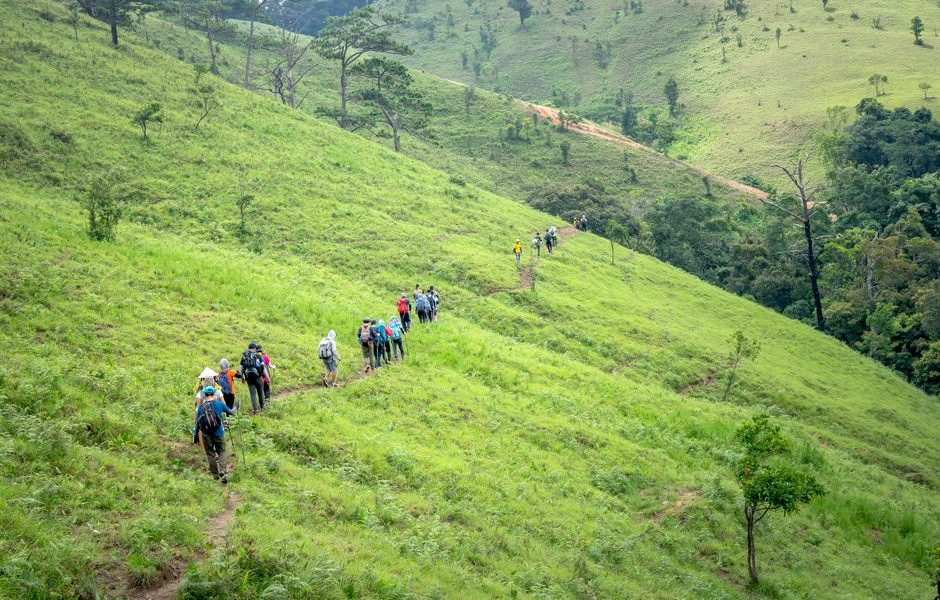
How fit do you need to be for a walking holiday?
Can a complete beginner manage a walking holiday?
Yes, if the itinerary matches your current fitness. A first walking holiday should involve 8 to 13 km a day, moderate hills, and regular stops. That is very different from a demanding mountain trek with ten-hour days and steep descents.
It is the ability to walk for three to five hours without a sharp rise in effort, then recover well enough to repeat the distance the next day. A steady pace matters more than a fast one.
What should you be able to do before booking?
Four weeks before departure, aim to complete a two-hour walk covering 8 to 10 km. Include at least 150 metres of climbing if your trip includes hills. Finish tired but able to speak in full sentences. The next morning, normal stiffness is acceptable; limping or joint pain is not.
What is a realistic first-trip goal?
Choose a route you can finish comfortably, not one that looks impressive on a map. For most beginners, a three-night trip with daily distances between 8 and 13 km is the right starting point. A point-to-point route with luggage transfers is easier than carrying camping equipment, and a base-based trip gives you a shorter option if your legs need a recovery day.
What should an eight-week walking fitness plan look like?
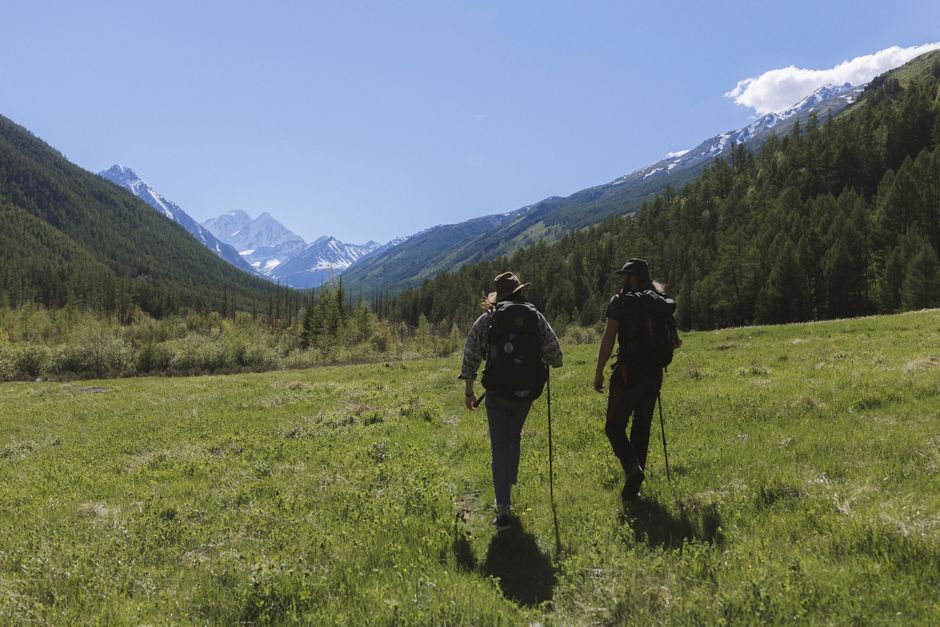
The weekly progression
Train three times each week: one easy walk, one brisk walk or hill session, and one longer walk. Add light strength work twice a week. Keep at least one full rest day between hard sessions.
How hard should each session feel?
Use a simple effort scale from one to ten. Easy walking should feel like three or four. You can chat without pausing. Brisk walking should feel like five or six. You can speak in short sentences but do not feel out of breath. Hill intervals can reach seven, but recover fully on the way down.
Increase only one factor at a time. Add distance first, then hills, then speed. Increasing all three in one week is the fastest way to turn a useful plan into a sore-knee problem.
When should you cut back?
Keep the same week for another seven days if your resting legs feel heavy, your sleep worsens, or pain changes the way you walk. Reduce the next session by 30 to 50 percent if pain lasts into the following morning. Fitness improves during recovery, not during an endless chain of hard days.
How do you train for hills without hurting your knees?
1. Build climbing in small blocks
- Start with a route that includes two or three gentle slopes.
- Walk uphill at a pace that allows short sentences.
- Recover on level ground instead of stopping completely.
- Add one or two extra climbs every seven days.
- Practise descents slowly, with shorter steps and relaxed knees.
Uphill walking challenges your heart and calves. Downhill walking often creates more soreness because your quadriceps work to control each step. Beginners tend to focus on climbing distance and ignore descents. That is a mistake.
2. Add simple strength work
Twice a week, complete two sets of eight to twelve controlled repetitions: chair squats, step-ups, calf raises, glute bridges, and side leg raises. Use a low step at first. Keep your knee aligned with your second toe and lower slowly. You do not need a gym or heavy weights.
Do not train through sharp pain, swelling, numbness, or pain that changes your stride. Muscle warmth and ordinary next-day stiffness are normal. Joint pain is a signal to reduce load and seek clinical advice if it continues. A short, pain-free session repeated for eight weeks beats a heroic workout that removes you from training for ten days.
3. Practise the exact walking pattern
If the trip involves rocky paths, use local trails instead of flat pavements every week. If you will walk for three hours before lunch, practise one long morning session. Walk with the pack weight you expect to carry, but begin with an almost empty pack and add weight gradually. This turns fitness into useful trip readiness.
Which footwear and pack setup makes sense for beginners?
My recommendation: use the lightest footwear that gives you a secure fit
For most first-time walking holidays, a low hiking shoe is the best choice. It feels less clumsy than a stiff boot and usually dries faster. Treat those figures as planning estimates, not fixed prices.
Choose the model that fits your heel, arch, and widest toe area. The brand name matters less than a locked heel and enough room for your toes to spread. Walk down a ramp or staircase. Your toes should not hit the front.
When is a boot worth the extra weight?
Choose a mid-height boot for rough ground, a heavy pack, ankle instability, or consistently wet paths. The tradeoff is clear: more structure and protection, but more heat and slower movement. Do not buy a heavy boot simply because it looks serious. If your route is a well-maintained trail and your pack stays under 15 pounds, a lighter shoe will usually reduce fatigue.
How much should you carry?
Keep a day pack between 10 and 15 pounds for a supported walking holiday. Pack water, food, a waterproof layer, warm insulation, a small first-aid kit, phone, power bank, map, and sun protection. Put dense items close to your back and keep rain gear accessible.
Break in footwear before travel. Complete at least four walks in it, including one longer outing. New shoes on day one are a poor gamble, even when the fit feels good in a shop.
What should beginners avoid when planning a spring walking holiday?
Should you book the hardest route to stay motivated?
No. Book the route that leaves room for weather, wrong turns, and slower mornings. Spring conditions can turn a dry path into mud, while short daylight and cold rain make a planned eight-mile day feel much longer. A route with frequent villages, public transport, or optional shorter stages gives you a safe way to adjust.
What mistakes cause most problems?
- Starting too fast: The first mile should feel almost too easy. Save energy for hills and the final hour.
- Training only on flat pavement: Add steps, slopes, grass, and uneven ground before the trip.
- Carrying too much: Lay every item on the floor, then remove anything without a clear use.
- Skipping weather checks: Review the forecast and trail conditions each morning. Change plans early when conditions deteriorate.
- Testing fitness on consecutive long days: First practise one long day, then two moderate days. Do not jump from weekend walks to five demanding days.
Do not book a remote route if you have untreated pain, poor balance, or no recent walking base. A local guided day or a short inn-to-inn route is the better first step. The strongest plan is the one you can repeat without injury.
What is the clearest beginner recommendation?
Choose a three- or four-night supported walking holiday with 8 to 13 km per day, modest elevation, luggage transfer, and a shorter alternative on every stage. Follow the eight-week plan, test your footwear early, and keep your pack light. That combination gives beginners the best chance of finishing spring hikes feeling proud rather than simply relieved.