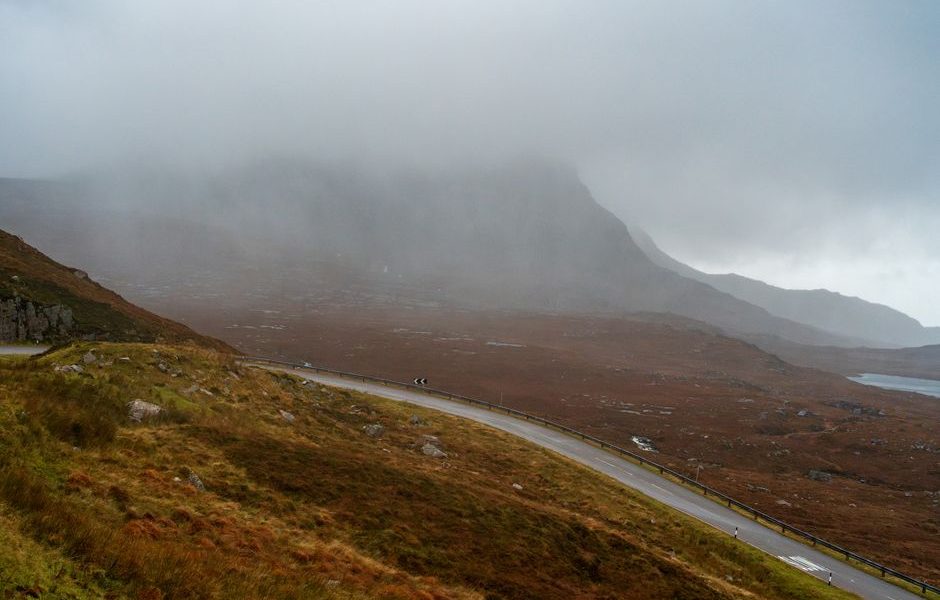
You land in Inverness on a bright June morning, collect a small rental car, and discover that the North Coast 500 is not a quick sightseeing loop. The route covers just over 830 km, includes single-track roads, and rewards slow days rather than long stints behind the wheel.
Seven days is the right length for a first trip in June. It gives you time for Applecross, Torridon, Ullapool, Durness, John o’ Groats, and the eastern coast without turning every beach stop into a rushed photograph.
How many days do you need for the NC500 in June?
Choose seven days for a first visit
Four days is possible, but it creates long driving days of around 160 to 240 km. That sounds manageable until a single-track section, a closed viewpoint, a sheep in the road, or a 30-minute stop at a beach changes the schedule. Six days works for experienced drivers who prefer a brisk route. Seven days gives you enough space to stop when the landscape changes.
June brings long daylight hours, so you can still reach your accommodation after dinner. That does not mean you should plan 12-hour driving days. The Highlands are best enjoyed from outside the car, and the most memorable parts often sit a short walk from the road.
Drive clockwise or anti-clockwise?
Drive anti-clockwise from Inverness if this is your first NC500. Begin with the east coast and the easier roads around Dornoch, Wick, and John o’ Groats, then reach the more demanding west-coast roads after several days of practice. The route finishes with Applecross, Torridon, and Loch Maree, which are the strongest scenery highlights.
Drive clockwise if you want Applecross and Torridon immediately, or if your trip depends on a specific west-coast booking. My clear choice for most June visitors is anti-clockwise: it spreads out the technical driving and leaves the most dramatic landscapes for the final two days.
What is the best 7-day North Coast 500 itinerary?
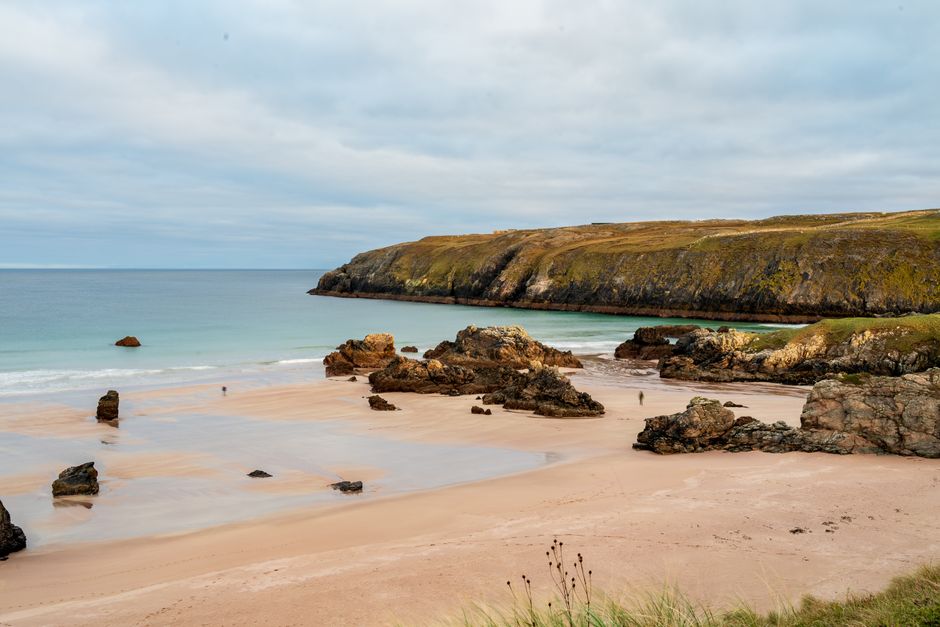
This plan keeps most driving days below four hours before stops. Treat the times as wheel time, not a sightseeing schedule. Add at least two hours each day for viewpoints, short walks, meals, fuel, and slow traffic.
| Day | Route | Approximate driving | Best stops |
|---|---|---|---|
| 1 | Inverness to Dornoch | 2 hours | Chanonry Point, Cromarty, Dornoch Beach |
| 2 | Dornoch to Wick | 2.5 hours | Dunrobin Castle, Brora, Helmsdale |
| 3 | Wick to Tongue | 3 hours | Duncansby Head, John o’ Groats, Dunnet Head |
| 4 | Tongue to Durness | 2 hours | Strathnaver, Smoo Cave, Balnakeil Beach |
| 5 | Durness to Ullapool | 3.5 hours | Ceannabeinne Beach, Kylesku, Achmelvich |
| 6 | Ullapool to Applecross | 3.5 hours | Ardvreck Castle, Loch Maree, Torridon |
| 7 | Applecross to Inverness | 2.5 hours | Bealach na Bà, Shieldaig, Lochcarron |
Where should you spend two nights?
Spend two nights in Ullapool if you want the best balance of food, fuel, accommodation, and day-trip options. It also makes a useful base for Achmelvich Beach and the Assynt landscape. Durness is a better choice for beaches and quiet evenings, but accommodation and dining options are more limited in June.
Which stops deserve extra time?
Give half a day to Durness rather than treating it as a lunch stop. Smoo Cave, Balnakeil Beach, and the road towards Cape Wrath create a full morning. On the west coast, choose one longer walk near Torridon or Applecross instead of collecting ten viewpoints from the car window.
How do you drive the NC500’s single-track roads safely?
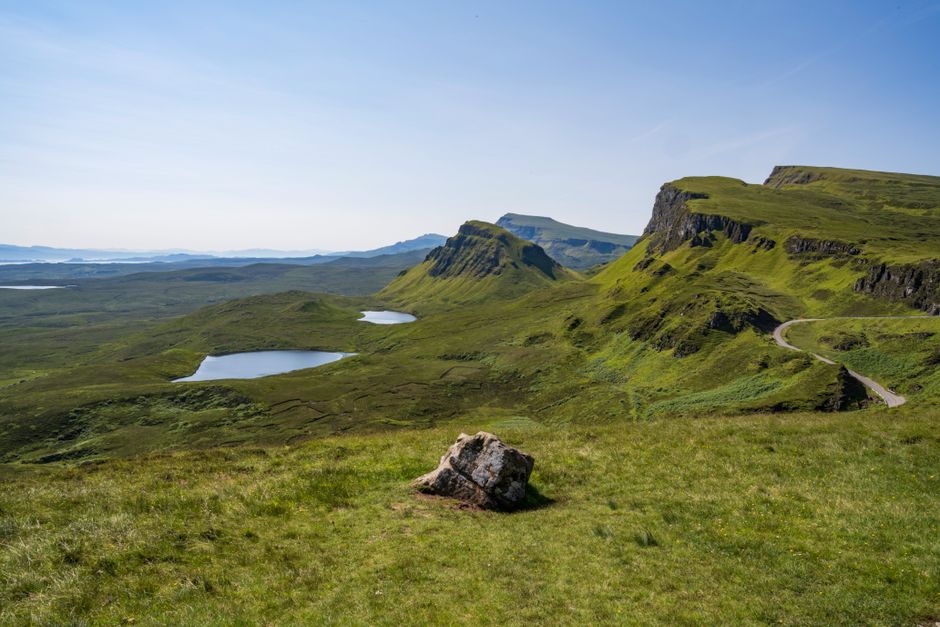
My strongest recommendation is to rent the smallest comfortable car. A compact hatchback is easier to place on narrow bends, simpler to reverse, and less stressful in village car parks than a large SUV. The Bealach na Bà is a poor choice for nervous drivers, caravans, and many large motorhomes; use the lower coastal road if the conditions or vehicle make the pass uncomfortable.
- Keep left and watch the road surface. Blind bends, loose gravel, cyclists, sheep, and deer all appear with little warning. Reduce speed before the bend rather than braking halfway through it.
- Use passing places correctly. They are for vehicles to pass, not for parking or taking photographs. If a faster vehicle catches you, pull into the next safe passing place and let it go.
- Reverse when needed. On a single-track road, the nearest driver may need to reverse to a passing place. Reverse slowly and stay calm; refusing to move creates a longer blockage for everyone.
- Refuel before the tank looks empty. Fill up in Inverness, Wick, Thurso, Durness, Ullapool, or another sizeable town. Do not assume the next village will have an open station or a working card machine.
When should you avoid Bealach na Bà?
Skip the pass if there is low cloud, ice, strong wind, heavy rain, or a vehicle restriction. Its steep gradients and tight hairpins are part of the appeal, but the view is not worth forcing the drive. The lower route through Shieldaig still delivers excellent coastal scenery and is the better decision for a large vehicle or an inexperienced driver.
What is June weather really like in the Scottish Highlands?
June gives you long days, green hills, active wildlife, and a strong chance of bright coastal light. It also gives you rain, wind, low cloud, and sudden temperature drops. Pack for all four in the same day.
Build your day around changing conditions
Start outdoor plans early when the forecast looks clear. A beach such as Balnakeil can be sunny at 9 a.m. and cold under a sea mist by lunchtime. Keep one flexible indoor option near every overnight stop, such as a castle, distillery, museum, or café. This stops one wet afternoon from damaging the whole trip.
June daylight makes late driving possible, but late does not always mean easy. Low sun can make visibility worse on west-facing roads, and mist can hide mountain bends. Drive during daylight when possible, especially on the single-track sections between Durness, Kylesku, and Applecross.
Prepare for midges without ruining the evening
Midges are most noticeable in still, damp conditions around lochs, woodland, and sheltered camping areas. Windy beaches and exposed headlands are usually more comfortable. Wear long sleeves at dusk, close tent mesh quickly, and keep food away from the sleeping area. A simple head net weighs almost nothing and is more useful than pretending the insects will not appear.
Do not pack only summer clothing. Bring a waterproof shell, warm mid-layer, walking shoes with grip, sunglasses, sunscreen, and gloves. A forecast of 18°C in Inverness does not describe the temperature on a windy clifftop near Durness.
What should you book and pack before leaving Inverness?
Which practical tools earn space in the car?
For navigation, use the free North Coast 500 Official App alongside downloaded offline maps. Google Maps can send drivers onto unsuitable minor roads or estimate times too generously.
Power is another real problem. The Anker 323 PowerCore 10K stores 10,000mAh, weighs about 212g, and usually costs around £19.99. It can keep a phone alive during a long day away from a socket. Charge it each night rather than waiting until the phone reaches five percent.
What should you reserve in advance?
Book accommodation, dinner, and major attractions before arrival. June is busy, and small villages may have only a handful of rooms. Reserve a table for the evening you reach Durness, Ullapool, or Applecross; arriving hungry and hoping to find a spare table is a common mistake.
If you camp, confirm that the site accepts your vehicle and check its waste facilities. Do not rely on wild camping beside the road. The Scottish Outdoor Access Code applies to responsible camping, but motor vehicles, toilets, rubbish, and local restrictions need separate care.
Which clothing and insect products are worth buying?
For wet walking, the Rab Downpour Eco jacket is a solid mid-range choice at roughly £130 to £150, with a lightweight waterproof shell that packs down for the car. For insects, Smidge Insect Repellent 75ml usually costs about £8.99 and is easy to carry in a day bag. My practical verdict: buy the rain shell before a second pair of casual shoes, and carry repellent even if the first forecast looks dry.
When should you skip the NC500 or change the plan?
Skip the full loop if you have fewer than four nights or dislike narrow roads. The route is not a checklist of viewpoints. It is a driving holiday through working communities, and rushing from Inverness to John o’ Groats to Applecross can leave you tired before the best scenery appears.
Choose a shorter Highlands route instead
With three nights, base yourself in Inverness and make a loop through Loch Ness, Glen Affric, and the Cairngorms, or stay around Ullapool and explore Assynt. These trips offer mountain and coastal scenery without changing accommodation every night. With five nights, remove the eastern section and focus on Inverness, Applecross, Torridon, Ullapool, and Durness.
Know the mistakes that spoil the trip
- Do not book every night in a different town if you want walks and unplanned stops.
- Do not arrive with an almost-empty fuel tank.
- Do not park in passing places for photographs.
- Do not assume June guarantees dry weather or midge-free evenings.
- Do not treat a four-hour route estimate as four hours of total travel.
The single most important takeaway: allow seven days, drive the North Coast 500 slowly, and treat every passing place as part of the journey.