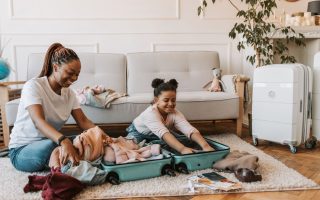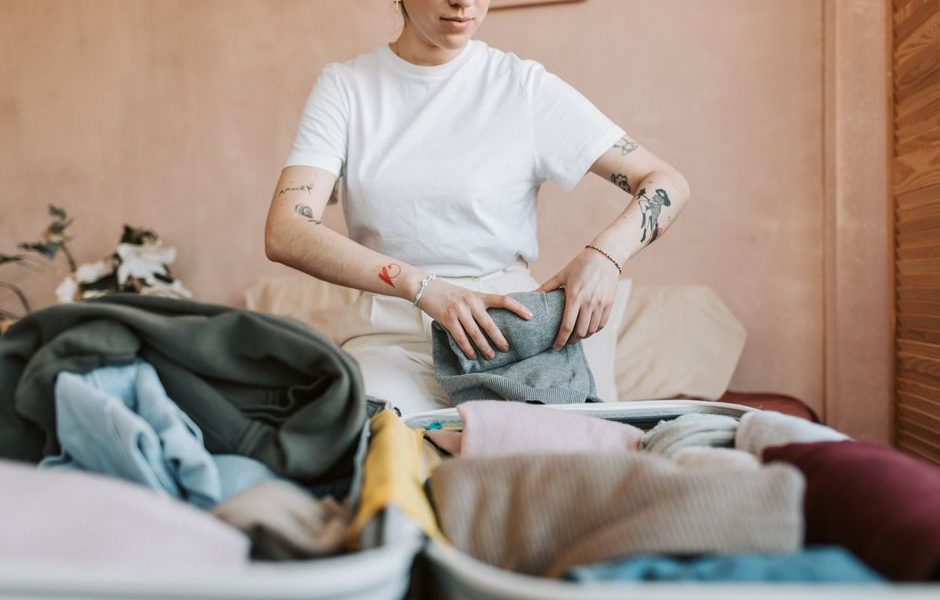
The surprising number is 15 litres: that is roughly the space my summer clothing takes for a seven-day trip when I pack for real use instead of imaginary emergencies. The rest of the bag goes to shoes, toiletries, electronics and a small margin for the journey home.
Carry-on only packing works when you treat the bag as a limit, not a container to fill. This checklist assumes warm weather, casual sightseeing, a few dinners out and access to basic laundry.
What fits in a carry-on for seven summer days?
Start with a small clothing core
For seven summer days, I pack five tops, three bottoms, one light overshirt, one simple evening outfit, seven pairs of underwear, five pairs of socks, two swimsuits and sleepwear. I wear the heaviest shoes and trousers on the flight. That gives me enough combinations for a week without carrying seven complete outfits.
Choose the bag around the airline limit
The bag itself can consume a surprising part of the allowance. The Cotopaxi Allpa 35L is listed at €260, measures 51 x 30 x 20 cm and gives a little less space with a neater suitcase opening. For smaller airlines, I prefer the Cotopaxi because its dimensions leave more room under strict limits.
I use cubes for grouping, not compression theatre. They make the bag easier to unpack, but they do not create extra space.
How do you build a summer capsule wardrobe?
Use the three-colour rule
My strongest packing rule is simple: choose two base colours and one accent colour before you open the wardrobe. Navy, white and olive give me more combinations than a suitcase full of bright single-purpose pieces. Every top must work with at least two bottoms, and every packed layer must work over at least three outfits.
- Pick one comfortable travel outfit and wear it on both travel days.
- Pack five lightweight tops, with at least three in colours that mix easily.
- Pack two casual bottoms and one smarter option.
- Add one overshirt, cardigan or thin jumper instead of several weather guesses.
- Choose one pair of walking shoes, one compact evening or beach option, and wear the larger pair.
- Limit accessories to items that change several outfits, such as a belt, scarf or small piece of jewellery.
Plan a wash instead of extra clothes
A ten-minute sink wash removes the need for three spare outfits. I pack a small amount of detergent in a leak-proof container, wash underwear and the lightest top after several days, then hang everything before bed. Quick-drying fabric matters more than a high thread count: cotton feels good but can stay damp overnight, while thin merino or technical blends usually dry faster.
The mistake I see most often is packing for every mood. A shirt for sightseeing, a shirt for the beach, a shirt for breakfast and a shirt for a possible boat trip quickly becomes a dozen shirts. Pick clothing that crosses settings. A relaxed button-up can cover sunburn at lunch, meet a restaurant dress code and work as a light layer on a cool flight.
How should you pack the bag so it stays under the limit?
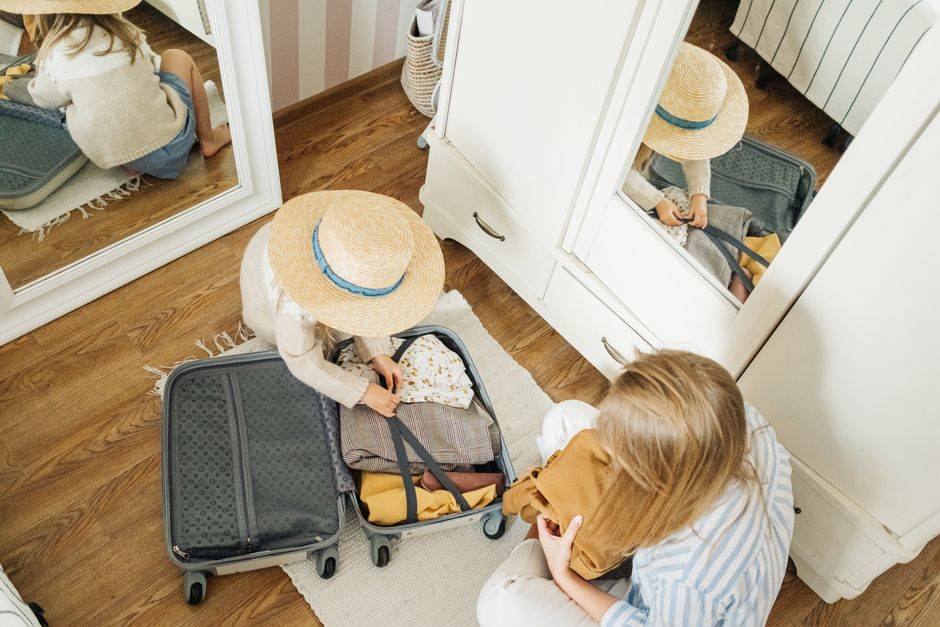
Pack by weight, not by category
Put dense items close to your back and at the bottom of the bag when it stands upright. Shoes, chargers and toiletries belong in the heavy zone. Clothing fills the outer gaps. This arrangement keeps the load stable and stops the bag from pulling away from your shoulders.
I start with an empty bag and place every item on the floor. Then I remove anything that does not support one of three jobs: wearing, washing or solving a genuine travel problem. The first pass usually removes a spare pair of shoes, duplicate cables and one item chosen for a weather forecast that may never arrive.
Leave a deliberate empty pocket
Never pack until the zipper barely closes. I leave roughly 10 percent of the main compartment empty for snacks, a wet swimsuit or souvenirs. That space also makes security checks less annoying because I can move items without rebuilding the entire bag on an airport floor.
Roll soft items only when rolling helps them fit around corners. Fold structured shirts flat so they do not become a wrinkled rope. Stuff socks inside shoes, but do not use shoes as an excuse to carry more pairs. Place the travel outfit at the top if you expect to change after landing, and keep medication, documents and a charging cable in an outside pocket.
The most common failure is confusing volume with weight. A large backpack can hold seven litres of clothing that still pushes the scale over an airline’s limit. Before leaving, weigh the fully packed bag with the same scale you trust for checked luggage. I aim for at least 0.5 kg below the stated allowance because home scales and airport scales rarely agree perfectly.
What belongs in the liquids and tech pouches?
How small should the liquids kit be?
Pack one clear liquids bag and fill it with the items you will actually use. My summer kit contains sunscreen, toothpaste, face wash, deodorant, moisturiser, a small shampoo, medication and lip balm. I decant products into containers that hold enough for the trip, then test every lid before packing. A full-size bottle is not a backup plan; it is dead weight unless you know you will use all of it.
Buy solid versions when they work for you: a bar of soap, solid shampoo or stick sunscreen can reduce liquid restrictions and leaks. Keep prescription medication in its original packaging and carry it where you can reach it. Airport security rules vary, so check the departure airport rather than relying on a remembered rule from a previous trip.
How much technology is enough?
My summer tech kit is a phone, one charging cable, one wall charger, a compact power bank and headphones. I leave the laptop at home unless the trip genuinely requires work. A tablet, camera, e-reader and laptop can easily add more than 2 kg before their chargers appear. Use one cable standard where possible, and take a small plug adapter only when the destination requires one.
The failure mode here is packing for boredom instead of travel. Download books and maps before departure, then let the phone handle several jobs. The same approach works for toiletries: one item that solves two problems earns space, while a single-use gadget stays home.
What should you remove before leaving home?
The final ten-minute test
My clear recommendation is to remove one complete outfit, one gadget and one toiletry before you close the bag. That final cut usually exposes the items packed from anxiety rather than need: formal shoes for a restaurant you may never visit, a second jacket for a warm forecast, or a camera that duplicates the phone. If the bag still weighs more than the airline limit, remove dense items first, then reduce duplicates, and only then question your core clothing.
When should you break the carry-on rule?
Break the rule when the trip includes specialist equipment, medical supplies, cold-weather layers or a formal event that cannot share clothing with the rest of the journey. Carry-on only is a useful constraint, not a test of character. For an ordinary warm-weather holiday, though, my final choice is firm: take one compact bag, five tops, three bottoms, two swimsuits, one useful layer, one main pair of shoes and enough toiletries for the actual number of days. That list keeps the bag light, leaves room for real life and avoids paying to transport things you never use.