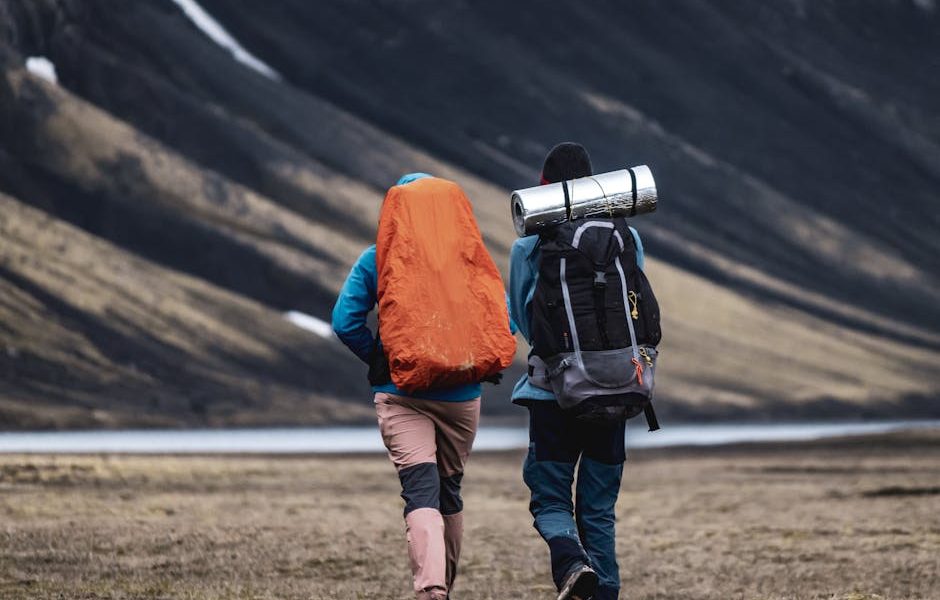
Exploring vast wilderness areas on foot offers unparalleled freedom. But for many, the logistics, navigation, and sheer physical demands of multi-day backpacking feel daunting. This is where guided backpacking trips shine. They remove the guesswork, provide essential safety nets, and allow you to immerse yourself fully in nature with confidence.
Guided trips are more than just a walk in the woods. They are curated experiences, led by experts who handle everything from permits and route planning to meal prep and emergency protocols. This structure lets you focus on the journey, the views, and the camaraderie. Whether you dream of scaling peaks in the Canadian Rockies or navigating the desert canyons of Utah, a guided trip can make it accessible.
Why Guided Trips Are Essential for First-Timers
For anyone new to multi-day wilderness travel, a guided backpacking trip is the smartest entry point. It’s not about lacking capability; it’s about smart preparation and expert knowledge. The wilderness demands respect and specific skills. Without them, a trip can quickly turn from an adventure into a precarious situation. Guides provide that critical layer of safety and education.
They teach proper trail etiquette, Leave No Trace principles, and how to manage your gear efficiently. You learn hands-on skills like setting up a reliable shelter, purifying water, and understanding weather patterns. This foundational knowledge is invaluable. It builds confidence for future solo or unguided excursions. Think of it as an immersive outdoor classroom with breathtaking views.
Safety First: Expert Leadership on the Trail
Every guided backpacking trip prioritizes safety. Guides are certified in wilderness first aid, often at the Wilderness First Responder (WFR) level. They carry extensive first aid kits and know how to handle common trail injuries or more serious emergencies. Their experience in varied terrain and weather conditions means they can make informed decisions when unexpected challenges arise. This peace of mind allows you to push your limits comfortably, knowing you’re in capable hands. They also manage group dynamics, ensuring everyone is moving at a safe and sustainable pace.
Navigating the Wilderness: Leave the Map to the Pros
Navigation in remote areas requires skill with maps, compasses, and GPS devices. It also demands a deep understanding of terrain features. Guides are proficient in all these areas. They know the routes intimately, identify potential hazards, and can adjust plans on the fly if conditions change. This means you don’t need to stress over getting lost. You can instead focus on the scenery, the wildlife, and the physical challenge. They ensure the group stays on designated trails, protecting fragile ecosystems and preventing unintended detours.
Skill Development: Beyond Basic Hiking
A guided trip is a fantastic opportunity to learn and refine your backpacking skills. Guides often share tips on proper pack fitting, efficient hiking techniques, and camp craft. You might learn about local flora and fauna, geology, or even basic astronomy. They demonstrate how to use gear like trekking poles effectively or how to set up a bear bag. This mentorship accelerates your learning curve. You return not just with memories, but with enhanced practical abilities for future outdoor pursuits. Many guides are passionate educators, eager to share their knowledge.
Top Guided Backpacking Destinations in North America

North America offers an incredible diversity of landscapes perfect for guided backpacking. From towering mountain ranges to deep canyons and lush forests, there’s a trip for every adventurer. These destinations are renowned for their natural beauty and offer well-established guiding services.
Companies like **REI Adventures** and **National Geographic Expeditions** operate in many of these iconic locations, providing high-quality experiences with experienced guides. Other specialized operators, often members of the Adventure Travel Trade Association, focus on specific regions, offering unique itineraries. For example, local outfitters in the Grand Canyon specialize in navigating its complex trails, while companies in the Pacific Northwest tackle the dense forests and volcanic peaks.
When selecting a destination, consider the type of terrain, the typical weather patterns, and the physical demands. A desert trip in summer will be vastly different from an alpine trek. Guided trips often specify required fitness levels, ensuring you choose an adventure that matches your capabilities. These companies also manage all necessary permits, which can be difficult to acquire for popular national parks.
Southwest Majesty: Grand Canyon & Zion National Parks
The Grand Canyon is a monumental backpacking experience. Guided trips often descend below the rim, exploring side canyons, ancient ruins, and hidden springs. The challenging terrain and extreme temperatures make a guide essential here. Trips might focus on the Bright Angel or South Kaibab trails, often involving overnight stays at Phantom Ranch or designated backcountry campsites. Similarly, Zion National Park in Utah offers incredible slot canyon adventures and multi-day treks along the iconic West Rim Trail. Guides in Zion are crucial for navigating technical sections and understanding flash flood risks in canyons like The Narrows. You’ll witness incredible geological formations and diverse desert ecosystems.
Pacific Northwest Trails: Olympic & North Cascades
The Pacific Northwest boasts lush rainforests, glaciated peaks, and rugged coastlines. Olympic National Park provides diverse itineraries, from coastal hikes along the Ozette Loop to alpine treks in the Hurricane Ridge area. North Cascades National Park, often called the “American Alps,” offers challenging routes through high mountain passes and past turquoise lakes. Guided trips here emphasize navigating dense forests, river crossings, and glacier travel skills. Guides provide essential expertise in these often-wet and remote environments, helping you appreciate the region’s unique biodiversity. Expect encounters with old-growth forests and breathtaking mountain vistas.
Canadian Rockies: Banff & Jasper Backcountry
The Canadian Rockies, home to Banff and Jasper National Parks, are a backpacker’s paradise with turquoise lakes, massive glaciers, and abundant wildlife. Guided trips here can range from moderate treks along the iconic Skyline Trail in Jasper to more strenuous mountaineering-focused expeditions. Guides ensure safe passage through bear country, manage alpine weather shifts, and offer insights into the region’s natural history. These trips often involve spectacular views of peaks like Mount Assiniboine and visits to remote backcountry huts. The sheer scale and beauty of this region are best experienced with an expert who knows the terrain.
Packing Smart for Your Guided Backpacking Adventure
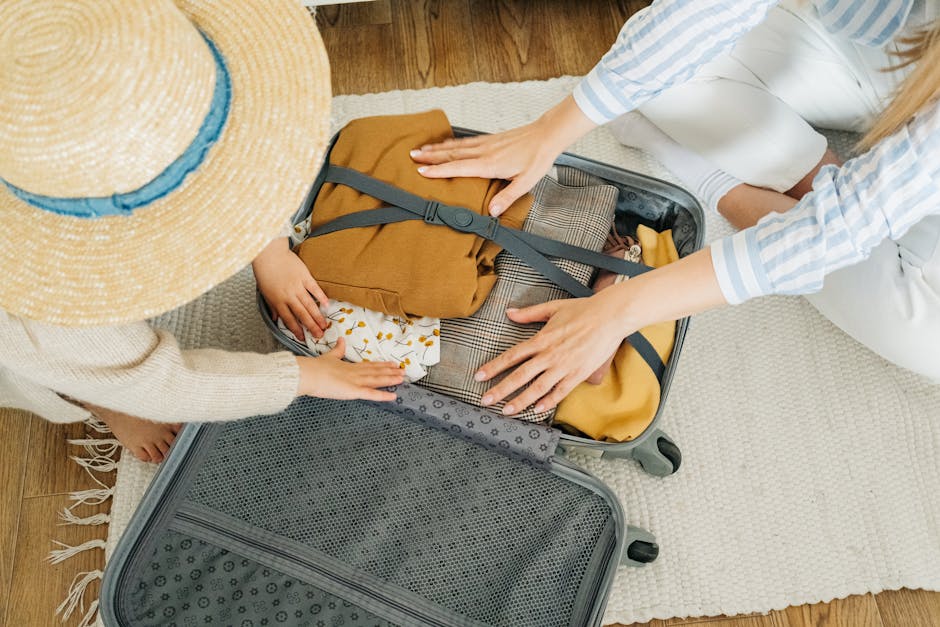
Even on a guided trip, smart packing is crucial. Your guides will often provide a detailed gear list, but understanding the principles behind it helps. You want to be prepared without overpacking. Lightweight and versatile items are always the goal. Consider the climate and duration of your trip carefully. Many guided tours will provide some communal gear like cooking equipment or tents, but personal items remain your responsibility.
- Prioritize Essential Layers: The key to comfort in varying conditions is layering. Pack a base layer (moisture-wicking), a mid-layer (fleece or puffy jacket for warmth), and an outer shell (waterproof and windproof). Brands like **Patagonia** or **Arc’teryx** offer excellent options. Avoid cotton, as it retains moisture and chills you.
- Invest in Quality Footwear: Your feet are your most important asset. Sturdy, broken-in hiking boots with good ankle support are essential. Brands such as **Salomon**, **Merrell**, or **La Sportiva** are reliable choices. Pack several pairs of wool or synthetic socks to prevent blisters and allow for changes.
- Bring a Reliable Water Filtration System: While guides often carry filters, having a personal backup is smart. Options like the **Sawyer Squeeze** or a **Katadyn BeFree** filter are lightweight and effective. Always carry at least 2 liters of water carrying capacity, whether in bottles or a hydration reservoir.
- Essential Navigation & Communication Tools: While guides handle primary navigation, a personal satellite communicator like the **Garmin inReach Mini** or **Zoleo Satellite Communicator** offers an independent emergency lifeline. These devices allow you to send SOS signals and two-way messages even without cell service. A small power bank is also crucial for recharging electronics.
- Personal First Aid & Toiletries: Carry a small personal first aid kit with blister treatment, pain relievers, and any personal medications. Biodegradable toiletries, sunscreen, and insect repellent are also vital. Keep them minimal and lightweight.
Essential Gear Checklist
Your guide will provide a specific list, but generally, you’ll need a quality backpack (around 50-70 liters, like the **Osprey Atmos AG** or **Deuter Aircontact Lite**), a sleeping bag rated for the expected temperatures, and a sleeping pad. Headlamps with extra batteries, trekking poles, and a small daypack for side excursions are also common requirements. Always check with your specific outfitter for their exact recommendations.
Beyond the Basics: Communication & Navigation
As mentioned, personal emergency communication devices are highly recommended. While your guide is equipped, having your own means to signal for help can be critical. Many modern GPS units also offer mapping capabilities. Though you won’t be navigating, understanding how to use one is a valuable skill. Ensure all your devices are fully charged before departure and consider a robust, lightweight power bank from brands like **Anker**.
Personal Comfort: Small Luxuries, Big Impact
Even on a guided trip, a few small comforts can make a big difference. A compact pillow, a good book (on an e-reader to save weight), earplugs, and a comfortable camp pair of socks are often worth the minimal added weight. These small items contribute significantly to your overall well-being and recovery after a long day on the trail. Just ensure they don’t compromise your pack weight or space too much.
Comparing Top Backpacking Tour Operators
Choosing the right tour operator is as important as picking the destination. Different companies cater to different styles, group sizes, and levels of luxury (or ruggedness). Here’s a comparison of some of the leading names in guided backpacking, focusing on their typical offerings and what makes them stand out.
| Operator | Typical Focus | Group Size | Destinations | Price Range (per day) | Key Differentiator |
|---|---|---|---|---|---|
| REI Adventures | Community-focused, varied difficulty | 8-12 people | North America, International | $250 – $400 | Emphasis on skill-building, accessible trips, strong community feel. |
| Wilderness Travel | High-end, global, often more challenging | 6-12 people | Global, specialized regions | $400 – $700+ | Exceptional guides, unique itineraries, premium service. |
| National Geographic Expeditions | Educational, immersive, expert-led | 10-16 people | Global, iconic locations | $350 – $600 | Focus on learning, photography, natural history with Nat Geo experts. |
| Adventure Women | Women-only, supportive, all levels | 8-14 people | North America, International | $300 – $500 | Empowering experiences for women, focus on connection and challenge. |
Each of these operators provides a distinct experience. Your choice depends on your personal priorities: budget, desired group dynamic, and the specific learning or adventure goals you have for your trip. Always read recent reviews and check their specific itinerary details. For example, some trips are catered, while others involve group cooking. Understanding these nuances ensures a better fit.
REI Adventures: Community & Accessibility
REI Adventures is an excellent choice for those seeking a supportive group environment and a range of trip difficulties. Their itineraries often include skill clinics, making them ideal for individuals looking to gain confidence and experience. They emphasize Leave No Trace principles and sustainable travel. Many trips are designed to be accessible to a wide range of fitness levels, ensuring a welcoming atmosphere for all participants. Their strong retail background also means their gear lists are well-informed and practical.
Wilderness Travel: Global Expeditions & Expertise
For those seeking more remote, challenging, or luxurious backpacking experiences, Wilderness Travel stands out. They offer meticulously planned itineraries to some of the world’s most spectacular and wild destinations. Their guides are renowned for their expertise, often holding advanced certifications or possessing deep local knowledge. While their trips come at a higher price point, the quality of experience, food, and logistical support is often unparalleled. They are a top choice for serious adventurers.
National Geographic Expeditions: Learning & Immersion
If your goal is to combine adventure with education, National Geographic Expeditions are a premier option. These trips are often co-led by naturalists, scientists, or photographers who share their expertise, providing deeper insights into the ecosystems and cultures visited. You’ll not only hike incredible trails but also learn about conservation, geology, or local history. The focus is on discovery and intellectual engagement, making them perfect for curious travelers.
Choosing the Right Trip: Your Questions Answered
Deciding on a guided backpacking trip involves more than just picking a pretty destination. Many practical questions arise. Here are answers to common concerns that can help you narrow down your choices and prepare effectively.
What fitness level is required for guided trips?
This varies significantly by trip. Operators clearly label their trips with difficulty ratings (e.g., easy, moderate, strenuous, challenging). An “easy” trip might involve shorter distances and minimal elevation gain, suitable for beginners. A “strenuous” trip could mean long days, significant elevation changes, and potentially technical terrain. Always be honest about your fitness. Most trips require you to be able to hike for several hours with a pack. Many operators recommend a specific training regimen prior to departure.
How much does a guided backpacking trip cost?
Prices range widely based on duration, destination, operator, and inclusions. A multi-day domestic trip might cost between $1,000 and $3,000. International expeditions can easily exceed $5,000. These costs typically cover guides, permits, food, and often group gear (tents, cooking supplies). They usually do not include personal gear, travel to the starting point, or optional gratuities. Consider **travel insurance** as a necessary financial protection for larger investments.
What gear is typically provided by tour operators?
Most guided backpacking tours provide communal gear: tents (often shared), cooking equipment, water filters, and sometimes emergency communication devices. Some premium operators might even include sleeping bags and pads. Personal gear like backpacks, hiking boots, clothing, and personal hygiene items are almost always your responsibility. Always check the “What’s Included” section of your chosen trip’s itinerary for specifics.
Is travel insurance necessary?
Yes, absolutely. For any significant travel investment, especially to remote locations, comprehensive travel insurance is highly recommended. It protects against unforeseen circumstances like trip cancellation, medical emergencies, lost luggage, or evacuation. Many policies cover adventurous activities, but always confirm the specifics of your plan. Policies from providers like **Allianz Travel Insurance** or **World Nomads** often have good coverage for outdoor adventures. It provides peace of mind.
Can I use my own GPS device or satellite phone?
Yes, you can. While guides carry their own navigation and communication tools, bringing your personal GPS device (e.g., a **Garmin GPSMAP** series) or satellite communicator (like the **Garmin inReach Mini**) is encouraged. It provides an extra layer of safety and allows you to track your own progress. Just ensure you know how to operate it and that it’s fully charged with extra power. Inform your guide that you are carrying such a device.
The Right Guide Makes All the Difference
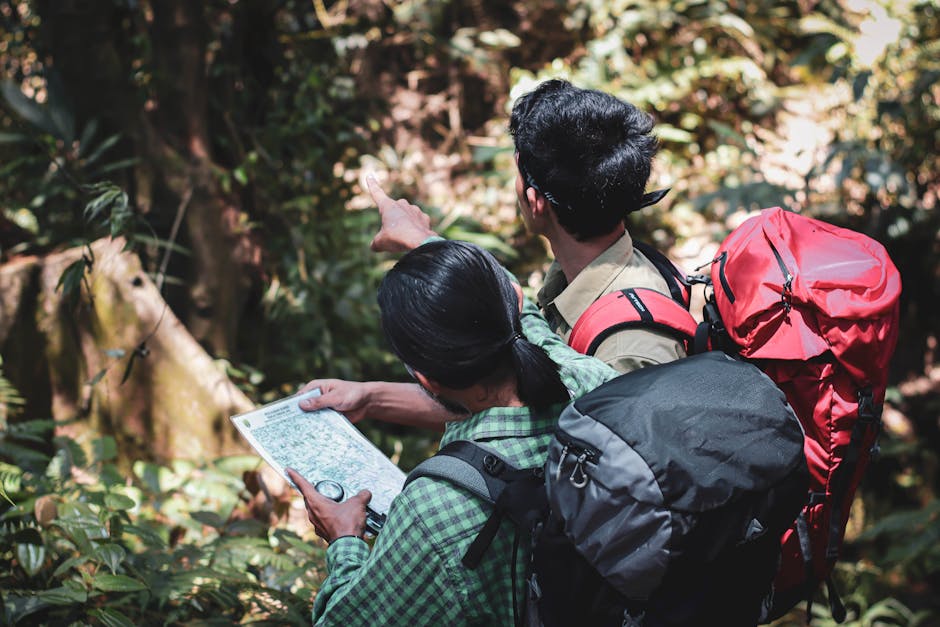
Ultimately, the success and enjoyment of any guided backpacking trip hinges on the quality of its guides. They are more than just navigators; they are educators, motivators, and safety officers. A truly great guide transforms a simple hike into an unforgettable experience, sharing their passion and expertise every step of the way. Their leadership allows you to fully engage with the wild, knowing you are in capable hands.