
The right travel book is not necessarily the one you most admire at home. It is the one you can open on a platform, carry without resentment and return to after a day that has already asked a lot of your attention.
File A / Long-form companion
Give one book the whole route
A Time of Gifts follows a young walk across Europe and rewards sustained reading. It suits a journey with recurring quiet: several rail legs, an evening ferry or a week with the same bag. Choose one long-form book as the main companion rather than carrying three ambitious volumes that compete with each other.
Mark the opening page with the dates of your trip, but do not create a quota. The book is there to change the texture of waiting. Some days that means thirty pages; other days it means one paragraph before sleep.
Match voice to the social part of the trip
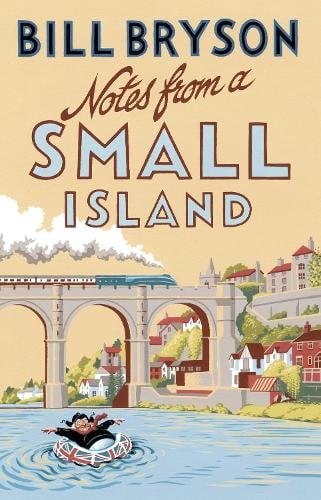
A conversational travelogue such as Notes From A Small Island can be good company on a solo journey or during the gaps of a group holiday. Its observational humour also creates a useful test: are you reading the place through the writer’s era, or looking at what has changed?
Keep a folded note with two headings, “still recognisable” and “different now.” Add only what you directly observe. The exercise prevents an older travel narrative from becoming an authority over the present. It also turns familiar streets into a comparison without demanding a formal research project.

Carry one visual book only when it can earn the weight
A photo-rich guide can help a shared trip because two people can open it over breakfast and agree on a walk, coast or town. Hand Luggage Only: Great Britain is therefore better treated as a route-room book than a private cover-to-cover read. Check its physical dimensions and weight against the live edition before assigning it space.
If the bag is already full, photograph or note the relevant page references before leaving and keep the book at home. Respect copyright by recording your own short planning notes rather than copying whole spreads. The point is to carry the decision, not every object that helped make it.

Use an older account as a question machine
The Travels belongs in a different kind of file. Historical travel writing carries the assumptions, knowledge and power structures of its time. Read the introduction and editorial notes; do not lift a dramatic passage out of context and treat it as a transparent description of a place.
Choose one short section connected to movement, trade or encounter, then write down what the narrator could not have known and whose account is missing. On the road, look for a museum label, local historian or contemporary writer who complicates the older version. The value lies in the comparison, not in pretending to retrace a world that no longer exists.
Pair a walking book with one unrecorded walk
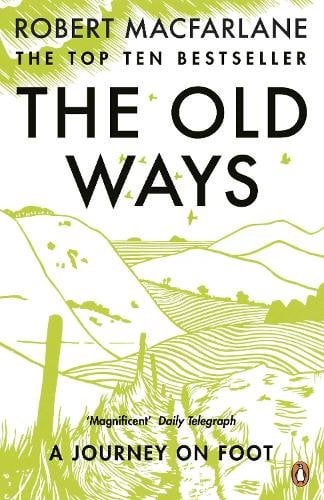
The Old Ways invites attention to paths, memory and the language of landscape. It can sharpen a walking day, but the practical route should still come from current maps, access information, weather guidance and local restrictions. Literary enthusiasm is not a substitute for navigation or suitable equipment.
After reading, take one walk without turning it into content. Notice the surface underfoot, the direction of water, field edges, repeated sounds and where the path seems older than its signs. Write the notes later. This creates space for direct experience instead of making every step answer the book.

Let rail reading stay playful
A book about an enormous rail journey can make an ordinary connection feel part of a larger network. Around the World in 80 Trains works well in fragments because each new carriage, border and conversation provides a fresh point of entry. It is a strong backup when the main book feels too demanding.
Keep one small rail log: service, seat, view, one overheard phrase that is safe and respectful to record, and one thing the timetable could not predict. Never photograph strangers or publish private conversations without consent. The log should preserve the atmosphere of movement without turning fellow passengers into material.
The two-book rule for a normal carry-on
Pack one main book and one flexible backup. The main book should suit the longest quiet stretch; the backup should open easily for ten minutes. Downloading an ebook can reduce weight, but check device charging, screen comfort and offline access before departure. A paperback needs no battery but still needs protection from rain and crushed toiletries.
Main companion
Long-form, absorbing and worth carrying through the whole route.
Flexible backup
Short sections, clear re-entry point and no guilt when interrupted.
Return pocket
Keep tickets, brief notes and a single page for books discovered locally.
Leave spare capacity for a bookshop found on the way. Buying locally can become part of the trip, but check the return weight before choosing a large hardback. If a new book enters the bag, it may replace rather than join the original pair.
Close the file after returning
Write three lines: what the book changed, what the place corrected and what you want to read next. Remove boarding passes that contain personal information before keeping or recycling them. The small record will be more useful than a perfect reading tally.
Assemble the carry-on file
Check current travel writing formats at Bookshop.org UK
Compare paperback, hardback, ebook and audiobook options on the live merchant pages, including current edition details, dimensions, availability and price.
Affiliate disclosure: Self Help Travel may receive compensation after an eligible purchase. Always confirm current product and delivery information with the merchant.